






What's Happening?
Saudi Arabia's crude oil exports rose to 7.276 million barrels per day in February, marking the highest output since October 2022, according to the Joint Organizations Data Initiative (JODI). This increase comes amid heightened tensions in the Middle
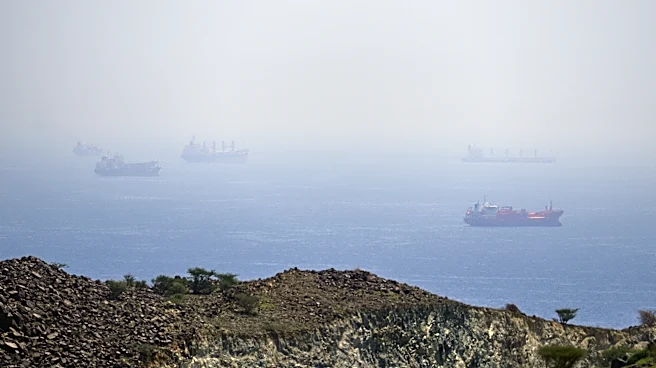
East, particularly due to the conflict involving Iran. The rise in production and exports was partly to fill storage abroad, as supply to the market was lower in February. Despite the increased production, Saudi Arabia faces challenges in exporting its crude due to security risks and disruptions around the Strait of Hormuz, which have minimized vessel movements. The Organization of the Petroleum Exporting Countries (OPEC) has lowered its forecast for world oil demand in the second quarter by 500,000 barrels per day, reflecting the impact of the conflict.
Why It's Important?
The increase in Saudi Arabia's crude exports is significant in the context of global oil markets, which are experiencing supply shocks and rising prices due to the Middle East conflict. As the world's largest oil exporter, Saudi Arabia's ability to maintain or increase production is crucial for stabilizing global oil supply and prices. The disruptions in the Strait of Hormuz, a critical chokepoint for oil transportation, highlight the vulnerability of global energy supply chains to geopolitical tensions. The situation underscores the importance of strategic reserves and alternative supply routes to mitigate the impact of regional conflicts on global energy markets.