
What's Happening?
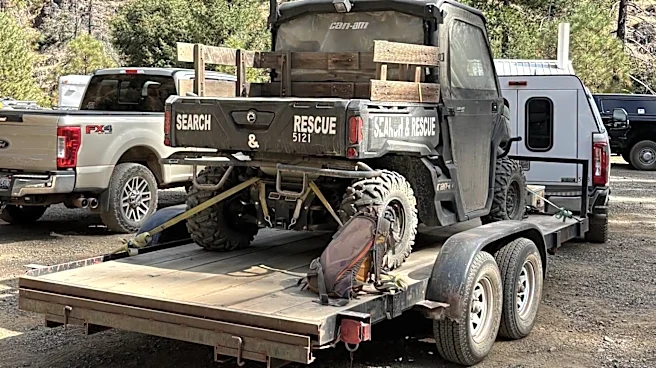
Maui firefighters conducted a mountain rescue operation for a 33-year-old male visitor who sustained head injuries after falling while hiking on the Pīpīwai Trail in East Maui. The incident was reported
on Friday afternoon at 2:33 p.m. The hiker was reportedly drifting in and out of consciousness. Engine 7 firefighters, an emergency medical crew, National Park Service personnel, and the Reach Air Ambulance responded to the scene. Responders hiked up the trail to reach the injured man, who was found off the trail within heavy tree cover. After stabilizing the hiker, first responders carried him down the trail. He was then transferred to an air ambulance crew, which transported him to Maui Memorial Medical Center around 4:22 p.m. No information regarding his current condition at the hospital was immediately available.
Why It's Important?
This incident underscores the inherent risks associated with recreational activities in natural environments, particularly hiking on challenging trails. For Maui, a significant tourist destination, the safety of visitors is paramount, as such incidents can impact the perception of safety and the overall tourism industry. The coordinated response involving multiple agencies—Maui Fire Department, emergency medical services, National Park Service, and air ambulance—highlights the critical importance of robust emergency response infrastructure in areas popular with outdoor enthusiasts. It also serves as a reminder for both residents and tourists about the necessity of proper preparation, awareness of trail conditions, and understanding one's physical limits when engaging in outdoor activities. The lack of immediate information on the hiker's condition also points to the severity of head injuries and the potential for long-term health consequences, which can have significant personal and financial implications for the individual and their family.
What's Next?
The Maui Fire Department and National Park Service will likely review the details of this incident to assess response protocols and identify any lessons learned for future mountain rescue operations. While no specific investigation into the cause of the fall was mentioned, such events often prompt discussions about trail safety, signage, and visitor education regarding potential hazards. Depending on the hiker's recovery, there might be further public awareness campaigns about safe hiking practices on Maui's trails. For the individual involved, the immediate next steps will focus on medical treatment and recovery at Maui Memorial Medical Center. This incident could also lead to increased vigilance among hikers and tour operators, potentially influencing recommendations for gear, group sizes, or guided tours on more strenuous trails. The tourism sector may also consider how to better communicate safety information to visitors engaging in outdoor activities.
Beyond the Headlines
This event touches upon the broader theme of balancing tourism with environmental preservation and visitor safety in natural parks. As more people seek outdoor adventures, the strain on emergency services and the potential for accidents increase. It raises questions about the capacity of local emergency services to handle a growing number of incidents, especially in remote or challenging terrains. Furthermore, the incident highlights the responsibility of individuals to assess risks and prepare adequately for outdoor activities, rather than solely relying on rescue services. There's an ethical dimension to promoting adventure tourism while ensuring visitors are fully aware of and equipped for the potential dangers. This could lead to discussions about mandatory safety briefings or equipment checks for certain trails, or even the implementation of permit systems to manage visitor numbers and enhance safety oversight. The incident also subtly points to the economic impact of such rescues, which can be substantial, involving specialized personnel and equipment like air ambulances.