
What's Happening?
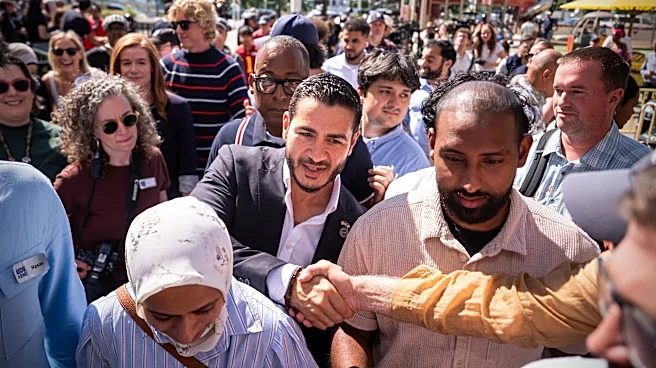
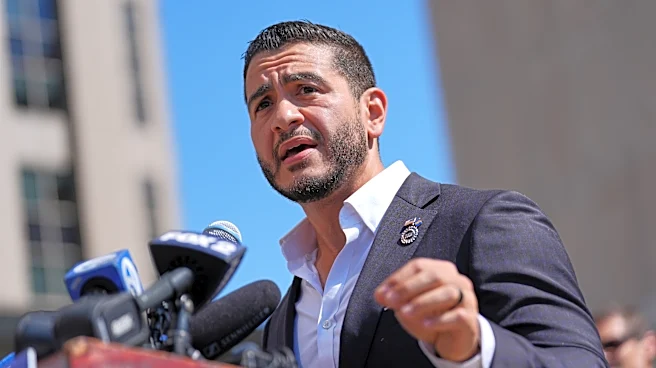
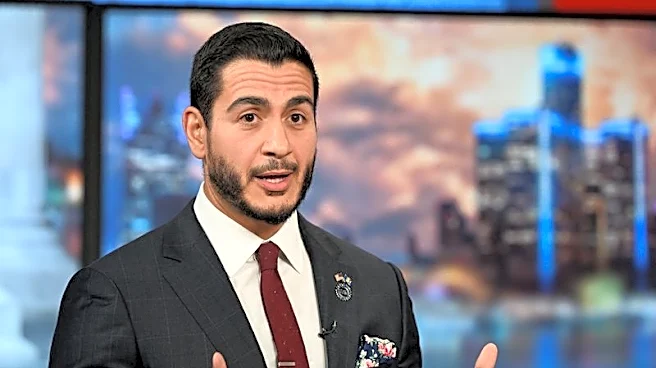
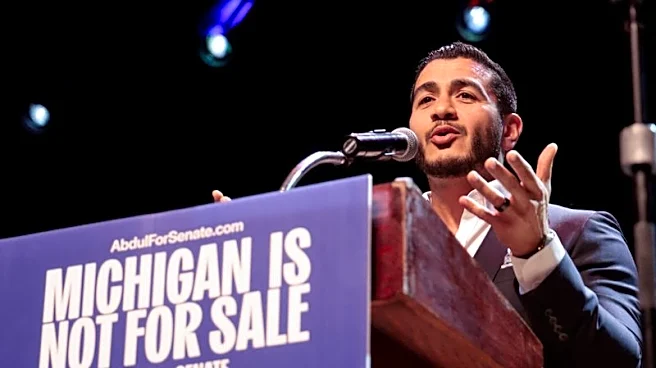
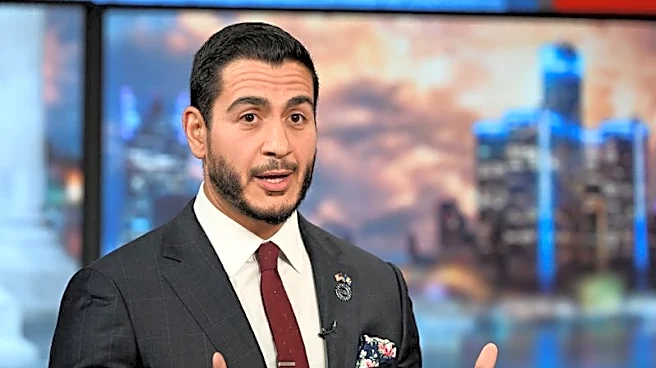
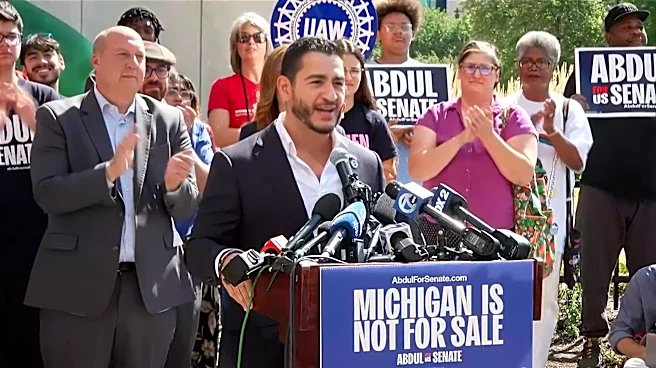
Abdul El-Sayed, a progressive candidate, has won the Democratic primary for the U.S. Senate in Michigan, marking a significant victory for the progressive wing of the Democratic Party. El-Sayed, who campaigned on issues such as Medicare for All and ending
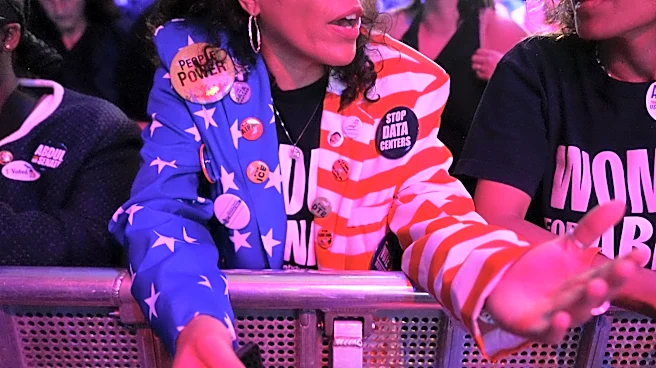
U.S. military aid to Israel, defeated moderate candidate Haley Stevens. This victory is seen as a boost for the anti-establishment message within the party. Senator Chris Van Hollen praised El-Sayed's win, calling it a 'wake-up call' for the Democratic establishment in Washington. The primary was closely watched as a test of the party's direction, with El-Sayed's victory highlighting a shift towards more progressive policies among Democratic voters.
Why It's Important?
El-Sayed's victory underscores a growing trend within the Democratic Party towards progressive policies, which could influence the party's strategy in upcoming elections. The win is significant as it occurred in a Midwestern swing state, crucial for Democrats to secure a Senate majority. The result may intensify internal debates over the party's stance on issues like healthcare and U.S. foreign policy, particularly regarding Israel. This shift could impact the party's appeal to voters in future elections, potentially reshaping its platform to align more closely with progressive values.
What's Next?
El-Sayed will face Republican candidate Mike Rogers in the November midterm elections. The outcome of this race could have implications for the balance of power in the Senate. Additionally, the Democratic Party may need to reassess its strategies and policies to accommodate the growing influence of its progressive wing. This could lead to changes in how the party approaches key issues and engages with its voter base, particularly in swing states.
Beyond the Headlines
El-Sayed's victory may also reflect broader societal shifts towards economic populism and skepticism of traditional political establishments. This could lead to a reevaluation of the Democratic Party's alliances and policy priorities, particularly concerning foreign aid and economic reform. The outcome of this primary might inspire other progressive candidates to challenge incumbents, potentially altering the political landscape in the U.S.