







What's Happening?
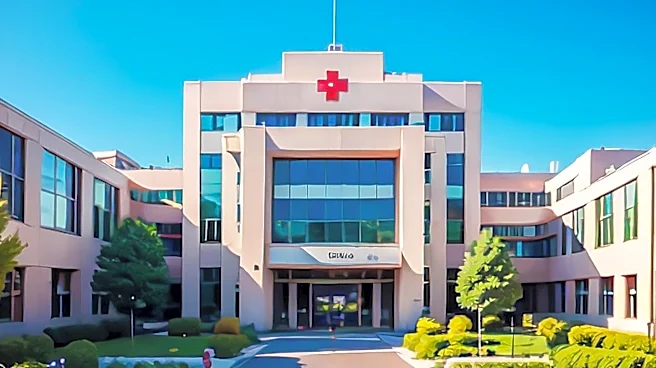
Kaiser Permanente has initiated a significant expansion of its healthcare services in Colorado with the groundbreaking of the new Westminster Medical Offices. This project represents Kaiser Permanente's most substantial brick-and-mortar investment in the state
since 2011. The new facility, located immediately south of the current Westminster Medical Offices at 11225 Huron St., is slated to open in 2028. It will replace the existing medical offices, which have served the North Denver metro area since 1976. The upgraded facility will integrate a comprehensive range of services under one roof, including adult primary care, complementary medicine, laboratory services, medical imaging, a nurse clinic, OB-GYN, pediatrics, and a pharmacy. Crucially, it will also feature an outpatient surgery center, including robotic surgery capabilities, and an additional urgent care facility. This integration aims to provide members with a connected care experience, allowing them to access various medical needs, from routine check-ups to complex surgeries and urgent care, all within a single location. According to Cortney Eisses, regional president of Kaiser Permanente in Colorado, this investment underscores their commitment to current and future generations of members in the North Denver metro area.
Why It's Important?
This expansion by Kaiser Permanente is important for several reasons, primarily impacting healthcare access and delivery in the North Denver metro area. The integration of an outpatient surgery center, including robotic surgery, and an urgent care facility within a single medical office building signifies a shift towards more convenient and potentially safer healthcare options. Outpatient surgery can reduce the need for hospital stays, offering patients a faster recovery and less pain, as highlighted by Greg Berman, MD, executive medical director of Kaiser Permanente in Colorado. The addition of urgent care services, available same-day, after-hours, and on weekends, will provide members with alternatives to emergency rooms for non-life-threatening conditions, potentially alleviating strain on emergency services and reducing healthcare costs for individuals. This move enhances Kaiser Permanente's footprint as one of the largest medical providers and the largest nonprofit health plan in Colorado, reinforcing its commitment to high-quality, affordable healthcare. The project also reflects a broader trend in the U.S. healthcare industry towards integrated care models that prioritize patient convenience and comprehensive service delivery.
What's Next?
The new Westminster Medical Offices are projected to open in 2028, at which point they will replace the existing facility. In the interim, construction will proceed, and Kaiser Permanente will likely provide updates on its progress, as indicated by the availability of information at kp.org/westminster. Upon opening, members in the North Denver metro area can expect a significant enhancement in their access to integrated healthcare services, including advanced surgical options and expanded urgent care availability. This development is part of a larger series of investments Kaiser Permanente is making in its Colorado facilities, suggesting further expansions or upgrades in other locations may be on the horizon. The success of this integrated model in Westminster could influence future facility planning and service delivery strategies for Kaiser Permanente across its network. Other healthcare providers in the region may also observe the impact of this comprehensive facility on patient satisfaction and operational efficiency, potentially leading to similar strategic considerations in their own service offerings.
Beyond the Headlines
The Kaiser Permanente Westminster Medical Offices project extends beyond a simple facility upgrade; it represents a strategic evolution in healthcare delivery. The emphasis on outpatient and robotic surgery reflects a broader trend towards minimally invasive procedures and technological advancements in medicine, which can lead to better patient outcomes and reduced healthcare expenditures. The integration of diverse services, from primary care to specialized surgery and urgent care, under one roof, challenges the traditional fragmented healthcare model. This 'one-stop-shop' approach aims to improve care coordination and patient experience, potentially setting a new standard for convenience and efficiency in healthcare. Furthermore, by expanding urgent care options, Kaiser Permanente is addressing the critical issue of appropriate emergency room utilization, which often sees patients with non-urgent conditions seeking care in high-cost settings. This investment also highlights the ongoing competition and innovation within the U.S. healthcare market, as providers strive to offer more attractive and effective services to their members. The long-term implications could include a shift in patient expectations for integrated care and a greater focus on preventative and accessible services.