
What's Happening?
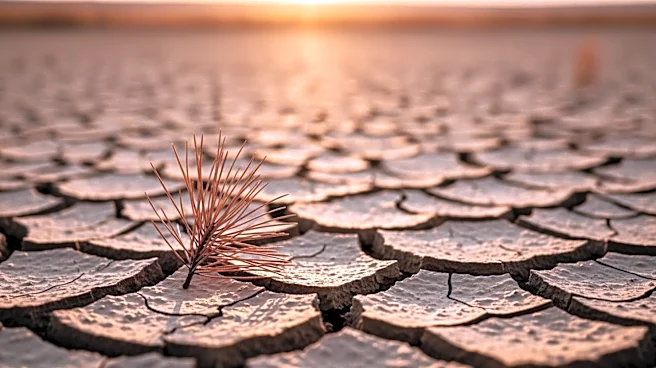
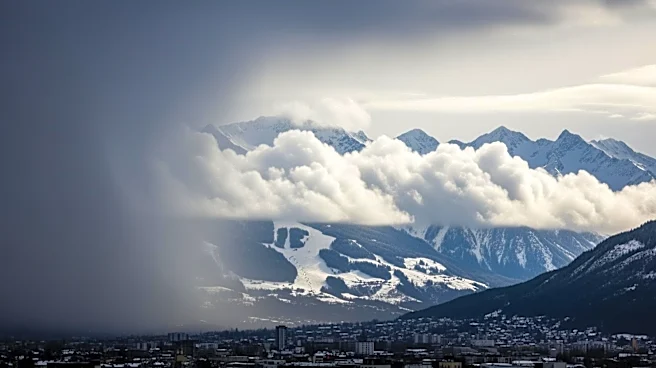
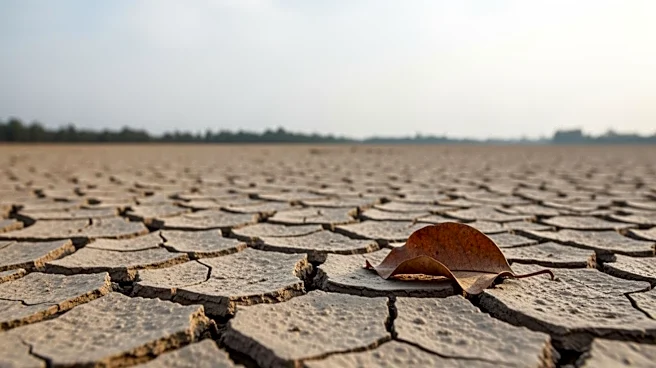
Colorado is experiencing a statewide drought for the first time since 2021, as reported by CBS News. The lack of precipitation has been noted across the state, affecting various regions including Jefferson
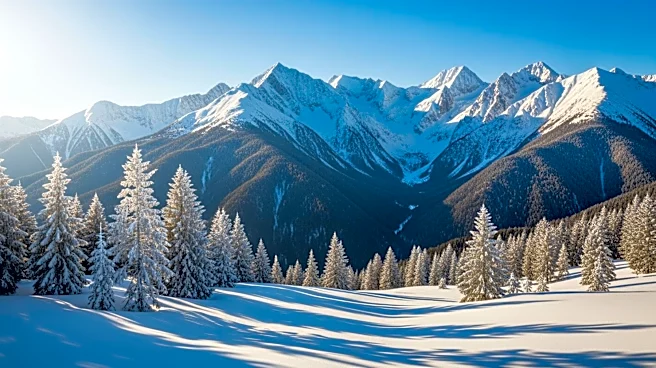
County, Arapahoe County, and the Colorado Mountains. This development is being closely monitored by meteorologists, including Joe Ruch, who is tracking the precipitation levels. The drought conditions are a result of insufficient rainfall and snowpack, which are critical for maintaining water levels in reservoirs and rivers. The situation is concerning for both urban and rural areas, as it impacts water supply for agriculture, municipal use, and natural ecosystems.
Why It's Important?
The re-emergence of drought conditions in Colorado is significant due to its potential impact on water resources, agriculture, and the environment. Water scarcity can lead to increased competition among agricultural, industrial, and residential users, potentially driving up costs and leading to stricter water usage regulations. The agricultural sector, which relies heavily on water for irrigation, may face reduced crop yields, affecting local economies and food supply chains. Additionally, drought conditions can exacerbate wildfire risks, posing threats to communities and wildlife. The situation underscores the importance of water conservation measures and the need for long-term strategies to manage water resources sustainably.
What's Next?
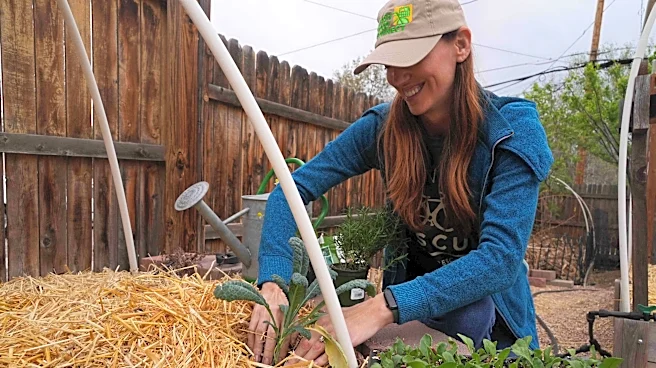
As Colorado navigates this drought, state and local authorities may implement water restrictions to manage the limited supply. Residents and businesses might be encouraged or required to reduce water usage. The agricultural sector may need to adapt by employing more efficient irrigation techniques or shifting to less water-intensive crops. Meteorologists will continue to monitor weather patterns for any signs of relief, such as increased precipitation or snowpack in the coming months. Policymakers may also explore infrastructure investments to improve water storage and distribution systems, ensuring resilience against future droughts.