




What's Happening?
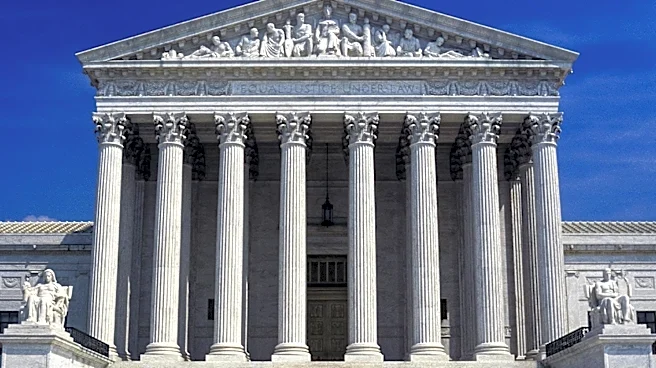
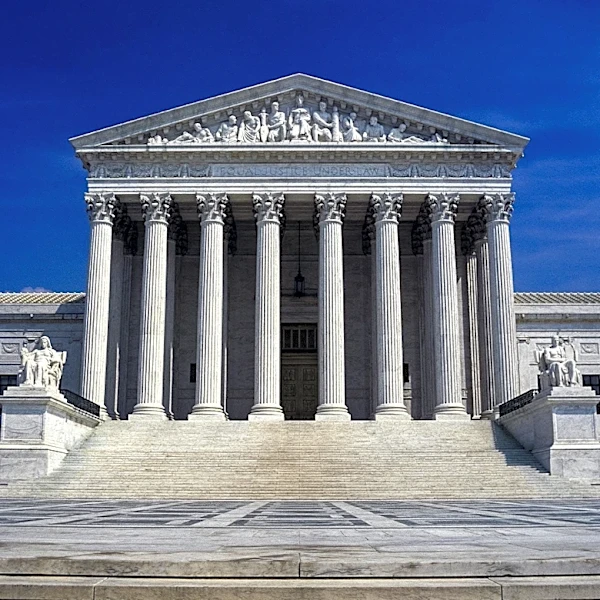
The U.S. Supreme Court is under scrutiny regarding its policies on prediction markets, which allow users to bet on outcomes of events, including judicial decisions. Justices Amy Coney Barrett and Elena Kagan recently addressed concerns during a Senate
hearing, asserting that current policies cover ethical issues related to prediction markets. However, there is growing pressure for the court to explicitly ban employees from trading on these platforms, such as Kalshi and Polymarket. These sites pose ethical challenges as court staff may have access to nonpublic information that could influence market outcomes. The court has faced criticism for its ethics code, which lacks enforcement mechanisms, and recent scandals involving luxury trips gifted to justices have intensified calls for reform.
Why It's Important?
The ethical implications of prediction markets are significant for the judiciary, as they could undermine public trust in the impartiality of the Supreme Court. If court employees engage in trading based on insider knowledge, it could lead to conflicts of interest and questions about the integrity of judicial decisions. The issue also highlights broader concerns about transparency and accountability within the judiciary. As other branches of government have taken steps to regulate insider trading, the Supreme Court's response is crucial in setting standards for ethical conduct. The outcome of this scrutiny could influence future policies and the court's reputation.
What's Next?
Legal questions surrounding prediction markets are expected to reach the Supreme Court's docket soon, as states and the Commodity Futures Trading Commission dispute regulatory authority. New Jersey has been granted an extension to appeal a case that could determine regulatory control over these markets. The court's decision could have significant implications for how prediction markets are classified and regulated, potentially affecting state and federal oversight. Additionally, Congress is considering bills to limit or ban federal employees from participating in these markets, which could lead to legislative changes impacting the judiciary.
Beyond the Headlines
The debate over prediction markets touches on broader issues of ethics and transparency in government. As these markets grow in popularity, they raise questions about the intersection of finance and governance, and the potential for misuse of insider information. The scrutiny of the Supreme Court's policies could lead to a reevaluation of ethical standards across government institutions, prompting discussions on how to balance innovation with ethical governance. This situation also reflects the challenges of regulating emerging technologies and financial instruments in a rapidly changing landscape.