






What's Happening?
In Washington D.C., a group known as the 'Rat Rangers' is actively working to educate residents on effective, non-toxic methods for preventing rat infestations. This initiative comes after a 2024 City Wildlife study revealed a significant number of D.C. wildlife
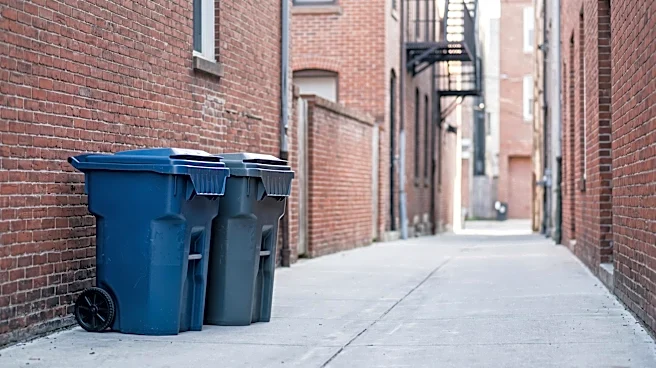
suffering from blood-clotting issues due to rodenticides. Head Rat Rangers Holly Gerberich, an anthrozoologist, and Gerard Brown lead public 'rat walks' to demonstrate how human behavior contributes to rat populations. They emphasize that rats are drawn to environments where food waste and garbage are readily available. Despite the use of poisons, traps, and even birth control, rat numbers in the city are increasing, with a healthy pair of brown rats capable of producing up to 15,000 descendants in a single year. The Rat Rangers advocate for improved sanitation practices, such as proper garbage disposal and securing outdoor bins, to make urban environments less welcoming to rodents. This approach aims to address the root cause of infestations rather than solely relying on extermination methods that can harm other wildlife.
Why It's Important?
The Rat Rangers' efforts highlight a critical shift in urban pest control strategies, moving away from solely relying on chemical solutions towards community-based, preventative measures. The widespread use of rodenticides has been shown to have detrimental effects on local wildlife, creating a broader ecological problem beyond just rat control. By educating residents, the initiative empowers individuals to play an active role in public health and environmental protection. This approach could lead to a more sustainable and humane method of managing urban rat populations, reducing the secondary poisoning of predators like foxes and hawks. If successful, this model could be adopted by other U.S. cities facing similar challenges, fostering a greater understanding of urban ecosystems and the interconnectedness of human actions with wildlife health. The focus on sanitation also underscores the importance of civic responsibility in maintaining clean and healthy urban environments for all residents.
What's Next?
The Rat Rangers plan to continue their educational 'rat walks,' aiming to reach more D.C. residents and foster community engagement in rat prevention. They hope to inspire neighbors to collaborate on cleaning up their areas, as exemplified by resident Lizzie Stricklin's intention to organize a group chat for community clean-up efforts. D.C.'s Rodent and Vector Control Division, led by Andre Pitman, is also exploring alternative methods, including a pilot program using liquid contraceptives in bait stations, though Pitman stresses that these measures are insufficient without addressing contributing factors. The success of these initiatives will depend on sustained community participation and a continued shift in public perception regarding rat control. Other cities like Boston and New York are also exploring human education as a key component of their rodent management strategies, suggesting a growing trend towards more holistic and environmentally conscious approaches.
Beyond the Headlines
The Rat Rangers' work delves into the deeper ethical and cultural dimensions of human-wildlife coexistence in urban settings. It challenges the conventional view of rats as mere pests to be eradicated, instead framing them as indicators of human environmental practices. The initiative encourages empathy for all animals, as seen in residents like Zac Wood and Lydia Barker who seek alternatives to pesticides due to their impact on other wildlife. Conversely, it also acknowledges the public health concerns and frustrations of residents like Catrina Valente, whose backyards are overrun. This nuanced approach highlights the complex relationship between humans and urban wildlife, prompting a re-evaluation of how cities manage their ecosystems. The long-term shift could lead to urban planning and waste management policies that inherently deter rodent populations, fostering healthier and more harmonious urban environments.