
What's Happening?
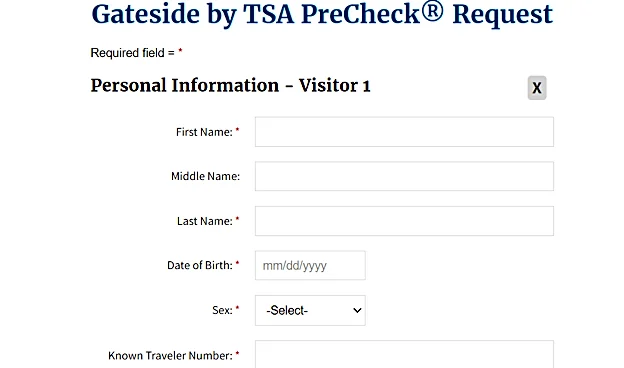
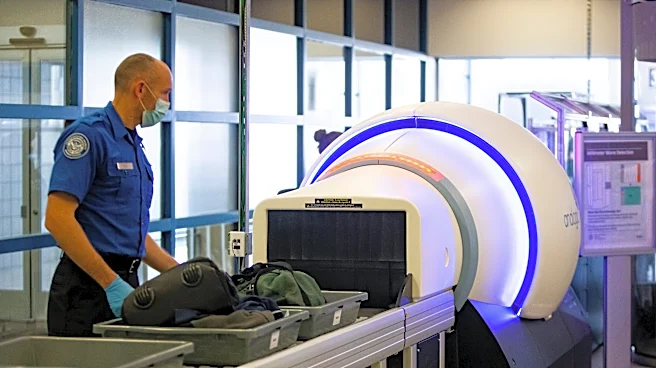
The Transportation Security Administration (TSA) has significantly expanded its Gateside program, allowing non-fliers with TSA PreCheck to access airport terminals beyond security checkpoints at over 300
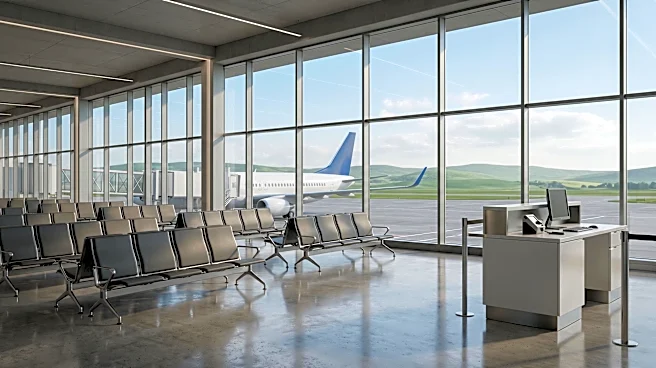
airports. This expansion, which has been implemented quietly, enables individuals to meet arriving passengers, accompany departing travelers to their gates, or simply enjoy airport amenities like dining and shopping. Previously, the TSA's website listed only 15 participating airports, but the full list now includes hundreds of locations across the U.S., from Anchorage to Asheville. To utilize the Gateside program, eligible PreCheck members must apply for a free pass one to three days in advance through the TSA's Gateside page, using Login.gov. Applicants need to provide their information, Known Traveler Number, desired airport, and visit date. Approval must be confirmed before heading to the airport, and a live digital approval must be shown to TSA officers, as screenshots or printouts are not accepted. Children accompanying an approved adult must also be included in the registration. While this program allows access beyond security, it does not guarantee entry into airport lounges, which typically require a same-day boarding pass or specific lounge access credentials.
Why It's Important?
This expansion of the Gateside program marks a significant shift in airport accessibility for non-fliers, potentially enhancing the travel experience for many Americans. For families and friends, it offers the convenience of greeting loved ones directly at their gates or providing assistance to elderly or young travelers. This move could also boost airport concession revenues, as more non-travelers gain access to shops and restaurants beyond security. Historically, post-9/11 security measures severely restricted non-fliers from entering secure areas, a policy that was often attributed to security concerns but also served to reduce passenger throughput for TSA. The current expansion suggests a re-evaluation of these restrictions, indicating that the TSA is confident in its ability to manage additional individuals while maintaining security protocols, particularly with the use of PreCheck data. While the program is free, airports can impose limitations, such as San Jose's cap of 75 passes per day per checkpoint, which could affect its overall impact and availability in high-traffic areas.
What's Next?
The TSA will likely continue to monitor the implementation and impact of the expanded Gateside program across the more than 300 participating airports. As the program scales, potential challenges related to managing increased foot traffic in secure areas and ensuring smooth security screenings for both travelers and Gateside pass holders may arise. Airports and the TSA will need to assess the program's efficiency and address any operational bottlenecks. There may also be calls for further enhancements, such as reducing the advance registration window to accommodate unexpected situations like flight delays or extended layovers. Stakeholders, including airport authorities, airlines, and concessionaires, will be observing the program's effect on passenger satisfaction and revenue generation. The success of this expansion could potentially lead to further innovations in airport access and services, though the strict requirement for a same-day boarding pass for lounge access is expected to remain a separate policy.
Beyond the Headlines
The expansion of the Gateside program reflects a broader trend towards re-evaluating and modernizing airport security and accessibility in the U.S. It signifies a move away from the rigid post-9/11 restrictions, acknowledging that enhanced security technologies and programs like PreCheck can allow for greater public access without compromising safety. This development could foster a more welcoming and less stressful airport environment, transforming airports from mere transit points into more integrated community spaces. Ethically, it balances security imperatives with the desire for human connection and convenience, allowing individuals to participate more fully in the travel experience of their loved ones. Culturally, it harks back to a pre-9/11 era when meeting passengers at the gate was commonplace, potentially restoring a sense of normalcy and personal interaction to air travel. The program also highlights the increasing value and utility of TSA PreCheck, further incentivizing enrollment for frequent travelers and potentially streamlining security processes for a larger segment of the population.