
What's Happening?
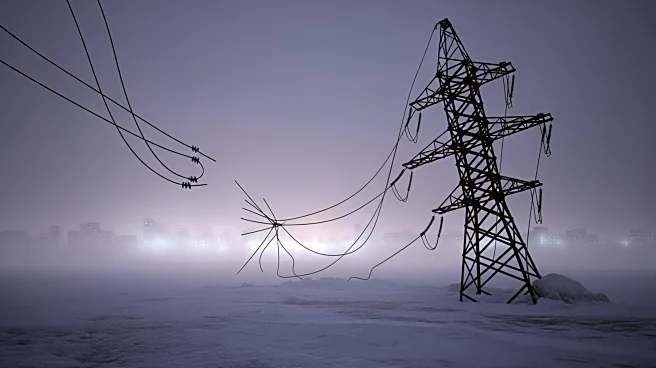
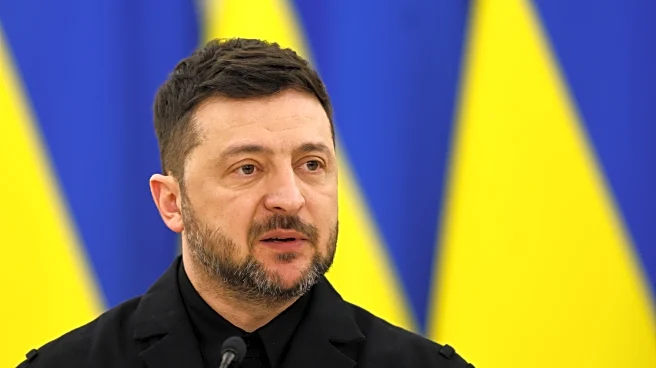
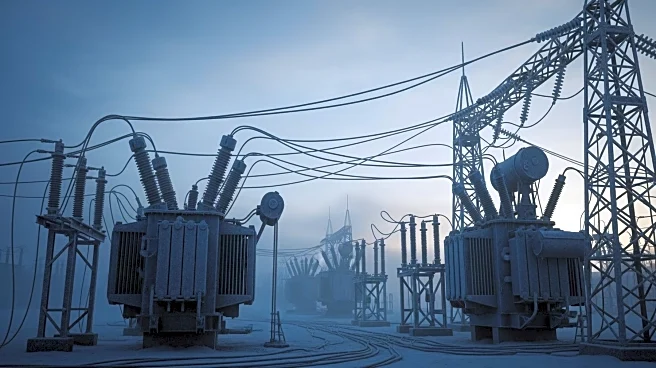
Russia has launched a significant attack on Ukraine, deploying approximately 450 drones and 70 missiles targeting the country's power grid. This assault comes just a day before U.S.-brokered peace talks are set to take place in Abu Dhabi. Ukrainian President
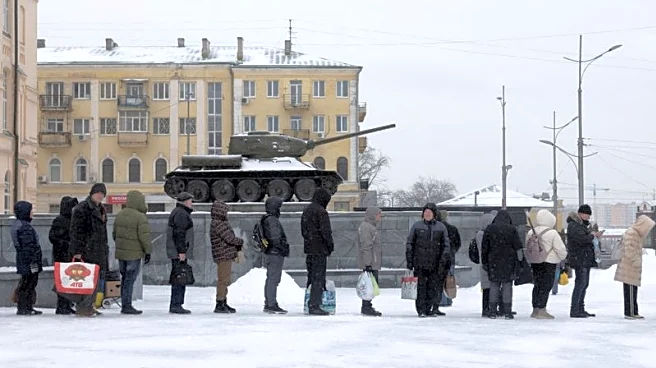
Volodymyr Zelenskyy reported that the attack aimed to disrupt civilian access to light, heating, and water during one of the coldest winters in years. The strikes affected at least five regions, including Kyiv, where temperatures dropped to minus 4 Fahrenheit. The attack resulted in injuries to at least 10 people and caused significant damage to Ukraine's energy infrastructure. Despite recent talks between Moscow and Kyiv being described as constructive, a comprehensive settlement remains elusive.
Why It's Important?
The attack underscores the ongoing challenges in achieving a peaceful resolution to the conflict between Russia and Ukraine. The targeting of Ukraine's power grid during extreme cold highlights the humanitarian impact of the conflict, as civilians face harsh conditions without essential services. The situation also places pressure on international stakeholders, including the U.S. and NATO, to respond to Russia's actions and support Ukraine's defense capabilities. The continuation of hostilities despite diplomatic efforts suggests that achieving a lasting peace will require significant international intervention and negotiation.
What's Next?
The next round of U.S.-brokered peace talks is scheduled to occur in Abu Dhabi, with U.S. Special Envoy Steve Witkoff and President Trump's son-in-law Jared Kushner participating. The outcome of these talks could influence future diplomatic and military strategies. Additionally, Ukraine is likely to continue seeking international support for air defense systems to protect its infrastructure and civilian population. The international community will be closely monitoring the situation, as any escalation could have broader geopolitical implications.