






What's Happening?
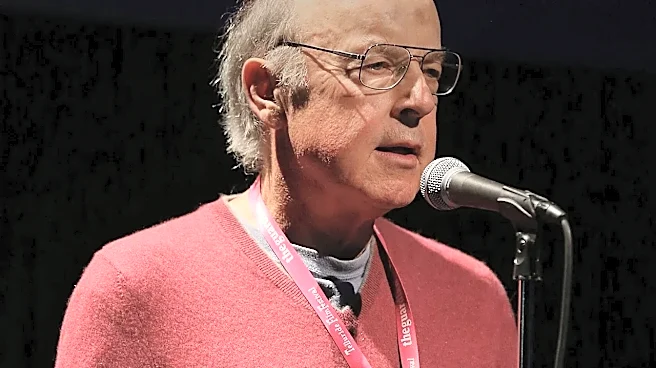
Colorado Governor Jared Polis has appointed Ken Salazar as a special envoy to mediate a long-standing land dispute in the San Luis Valley. The conflict involves the billionaire owner of the Cielo Vista Ranch and the heirs of a land grant dating back to 1844,
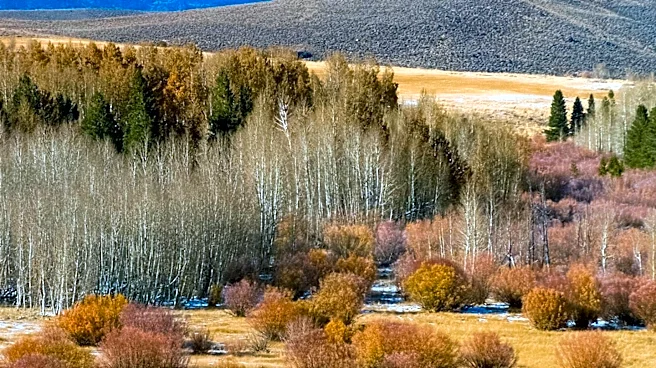
predating Colorado's statehood. Salazar, a native of the San Luis Valley with a distinguished career as a U.S. Senator, Secretary of the Interior, Colorado Attorney General, and Ambassador to Mexico, has been tasked with facilitating conversations and developing recommendations for a resolution. The 83,000-acre ranch in Costilla County is central to the dispute, which stems from the Sangre de Cristo Land Grant, a result of the Treaty of Guadalupe Hidalgo. Settlers and their descendants were granted access rights to hunt, graze livestock, and gather timber on the land, rights that have been contested through decades of litigation despite private ownership changes. Governor Polis emphasized the need to move beyond perpetual conflict and ensure local Coloradans have a voice in decisions affecting their communities.
Why It's Important?
This appointment is significant for several reasons. Firstly, it represents a direct intervention by the state's highest office to resolve a deeply entrenched and historically sensitive land dispute, potentially setting a precedent for similar conflicts. The involvement of Ken Salazar, a figure with extensive experience in both local and federal politics, underscores the complexity and importance of the issue. His role as a special envoy aims to bring a fresh perspective and facilitate dialogue where previous legal battles have failed. The resolution of this dispute could impact property rights, land access, and economic opportunities for the descendants of the original land grant holders, many of whom are integral to the cultural fabric of the San Luis Valley. Furthermore, the ongoing litigation and conflict have broader implications for land management practices and the relationship between private landowners and communities with historical claims, potentially influencing future policy decisions regarding ancestral lands and resource access in Colorado and beyond.
What's Next?
Ken Salazar is expected to produce a report outlining his findings and recommendations for paths toward resolution by October 7. This process will include structured engagement sessions within the San Luis Valley, indicating a commitment to involving local stakeholders directly in the search for solutions. The outcome of these discussions and Salazar's recommendations will likely shape future actions by the state government and could lead to legislative or policy changes aimed at addressing the historical grievances and ensuring equitable land access. The ongoing legal battles, such as the one concerning the fence around the Cielo Vista Ranch and the rights of land grant heirs to collect firewood, highlight the immediate issues that Salazar's mediation will need to address. The success of this initiative could offer a model for resolving other complex land disputes, while its failure might prolong litigation and community tensions.
Beyond the Headlines
The San Luis Valley land dispute touches upon profound ethical and cultural dimensions, reflecting the enduring legacy of historical treaties and land grants. The Treaty of Guadalupe Hidalgo, which concluded the Mexican-American War, guaranteed property rights to Mexican citizens in ceded territories, but these rights have often been challenged or eroded over time. This case highlights the tension between historical land use rights and modern private property ownership, raising questions about justice, equity, and cultural preservation. The involvement of a 'billionaire owner' against the 'heirs of a land grant' also underscores socio-economic disparities and power dynamics in land ownership. A successful resolution could foster greater community cohesion and respect for historical claims, while an unresolved conflict could perpetuate feelings of disenfranchisement and injustice among the descendants of the original settlers. The environmental impact of land management, as seen with the fence's negative effect on wildlife, adds another layer of complexity, intertwining ecological concerns with historical and social issues.