




What's Happening?
Prime Minister Narendra Modi has called on Indian citizens to exercise self-restraint in fuel consumption and gold purchases for the next year. This appeal comes in the context of India's significant import reliance on crude oil and gold, which heavily
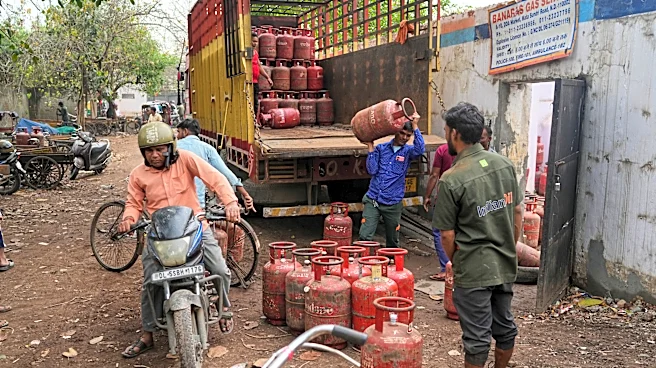
impacts the country's foreign exchange reserves. Modi's request is part of a broader strategy to conserve foreign exchange and mitigate the economic impact of rising international crude oil prices, which have surged to over $100 per barrel from less than $60 the previous year. The Prime Minister has suggested practical measures such as carpooling, using public transport, and reducing foreign travel to help conserve resources. The Indian government has also announced measures to restrict foreign tours of officials and promote energy conservation and digital meetings.
Why It's Important?
The Prime Minister's appeal highlights the economic challenges India faces due to its dependency on imported crude oil and gold. With nearly 90% of its crude oil requirements being imported, any fluctuation in international oil prices or currency exchange rates can significantly affect India's economy. By encouraging citizens to reduce consumption, the government aims to stabilize foreign exchange reserves and prevent economic strain. This initiative is crucial as it seeks to avoid a repeat of past economic crises where foreign exchange reserves were nearly depleted. The appeal also underscores the importance of public cooperation in national economic strategies, as individual actions can collectively contribute to significant economic savings.
What's Next?
Following the Prime Minister's appeal, the Indian government is expected to implement further measures to promote resource conservation. This may include increased incentives for using public transport and electric vehicles, as well as policies to encourage digital communication over physical travel. The response from the public and opposition parties will be critical in determining the success of these initiatives. Additionally, the government may monitor the economic impact of these measures and adjust strategies accordingly to ensure the stability of foreign exchange reserves.