





What's Happening?
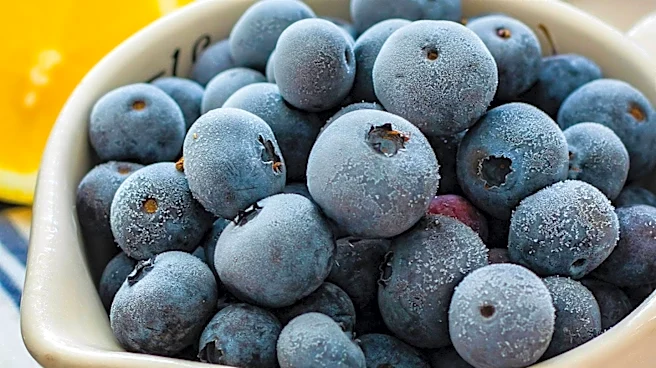
A lawsuit has been filed against Publix supermarkets and food distributor Quirch Foods by a Florida family, alleging that E. coli-contaminated frozen blueberries led to the death of Karla Mullins and the hospitalization of her son. The wrongful death lawsuit claims
that Karla Mullins became ill after consuming GreenWise Organic frozen blueberries purchased from a Publix store in Largo, Florida. Her son also reportedly fell sick and was hospitalized after eating the same product. Karla Mullins passed away on June 20. The lawsuit, filed in Pinellas County Circuit Court, seeks damages from both Publix and Quirch Foods, accusing them of liability for a product described as defective and unreasonably dangerous. This legal action follows a recall of GreenWise Organic frozen blueberries linked to a multistate E. coli O145:H28 outbreak. Chilean supplier Frutas y Hortalizas del Sur S.A. initially recalled one lot on July 3, with Publix expanding the recall on July 29 to include all lots of GreenWise Organic Whole Blueberries and Whole Mixed Berries.
Why It's Important?
This lawsuit highlights critical issues in food safety, product liability, and consumer protection within the U.S. food supply chain. The alleged E. coli contamination and subsequent death underscore the severe health risks associated with tainted food products and the responsibility of retailers and distributors to ensure the safety of items sold to the public. For consumers, this case serves as a stark reminder of the potential dangers of foodborne illnesses and the importance of heeding product recalls. For the food industry, including grocery chains like Publix and distributors like Quirch Foods, the lawsuit could lead to increased scrutiny of their sourcing, inspection, and recall procedures. A successful legal challenge could result in significant financial penalties and reputational damage, potentially prompting broader changes in food safety protocols across the industry to prevent similar incidents. It also emphasizes the legal recourse available to consumers who suffer harm due to contaminated products, reinforcing the accountability of companies in the food sector.
What's Next?
The lawsuit will proceed through the Pinellas County Circuit Court, where the plaintiffs, represented by Morgan & Morgan, will seek to prove that the contaminated blueberries caused Karla Mullins' death and her son's illness. Publix and Quirch Foods are expected to file their responses to the complaint, which may include motions to dismiss or counter-arguments regarding their liability. The legal process will likely involve discovery, depositions, and potentially a trial, unless a settlement is reached. The outcome of this case could set precedents for product liability in the food industry, particularly concerning the responsibilities of retailers and distributors in ensuring product safety. Federal health officials had previously linked the frozen berries to an E. coli outbreak and declared the outbreak over, terminating the recall on September 21. However, the civil lawsuit will continue independently, focusing on the specific claims of negligence and product defect.
Beyond the Headlines
Beyond the immediate legal battle, this case touches upon the broader ethical responsibilities of corporations in safeguarding public health. The alleged failure to prevent the distribution of contaminated food raises questions about the adequacy of current food safety regulations and enforcement, as well as the transparency of supply chains. The incident could fuel public demand for more stringent oversight of imported food products and greater accountability from all entities involved in the food supply chain, from growers to retailers. Furthermore, the emotional and financial toll on the affected family underscores the human cost of food safety failures, potentially influencing public perception of corporate responsibility and consumer trust in major food brands. The case may also prompt a re-evaluation of insurance coverage for product liability in the food sector, particularly for large retailers and distributors, given the potential for substantial damages in wrongful death claims.