


What's Happening?
South Korea has experienced its hottest day on record, with temperatures reaching 42.5 degrees Celsius in the city of Yangsan. This marks the fifth consecutive day of temperatures exceeding 40 degrees Celsius in the region. The Korea Meteorological Administration
has issued heat warnings across the country, highlighting the severity of the heatwave. This event is part of a global trend of extreme weather, with similar conditions affecting countries in Europe, North Africa, and parts of the United States.
Why It's Important?
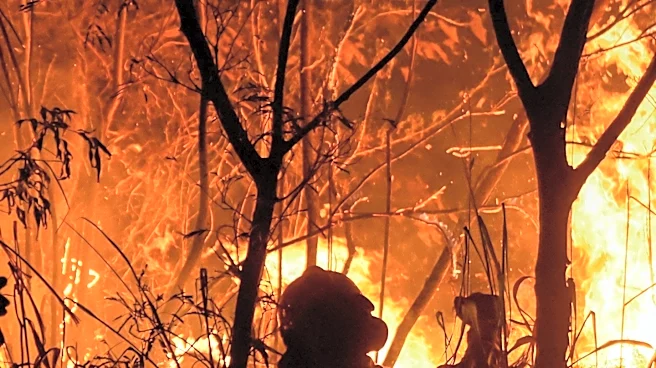
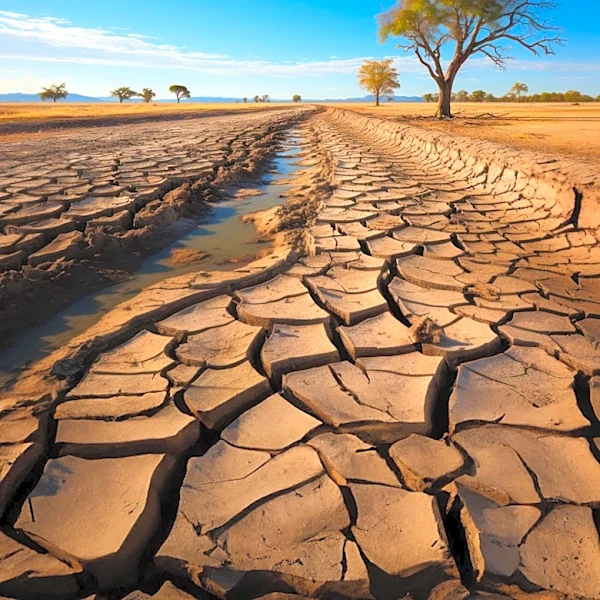
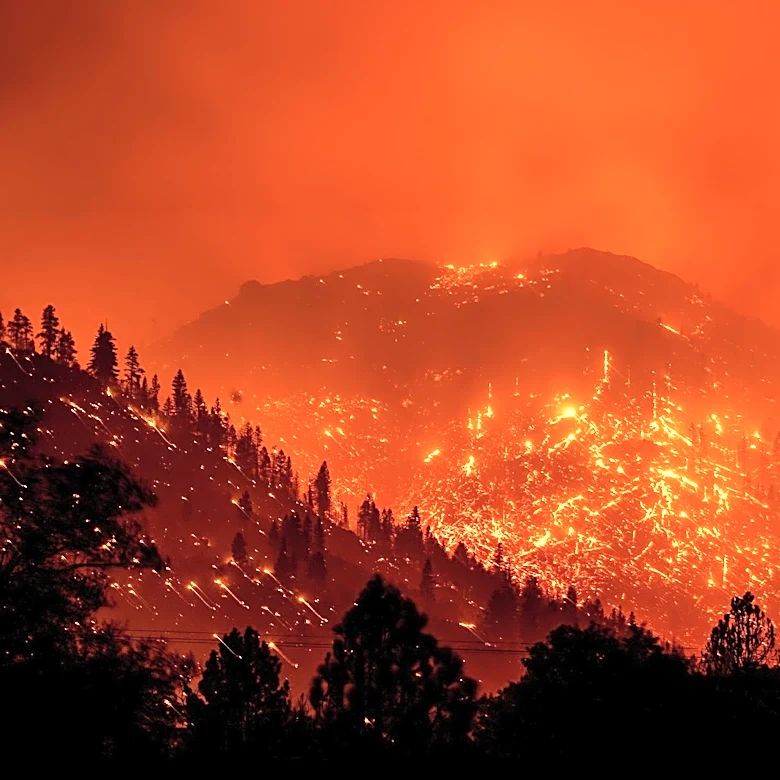
The record-breaking temperatures in South Korea are indicative of the broader impacts of climate change, which is leading to more frequent and intense heatwaves worldwide. These conditions pose significant risks to public health, agriculture, and infrastructure. In the U.S., similar heatwaves are increasing the risk of wildfires and straining energy resources. The global nature of these events underscores the need for international cooperation in addressing climate change and implementing effective mitigation and adaptation strategies.
What's Next?
As extreme weather events become more common, governments and communities will need to enhance their preparedness and response strategies. In South Korea, authorities are likely to continue monitoring the situation and may implement additional measures to protect vulnerable populations. Globally, there may be increased pressure on policymakers to take decisive action on climate change, including reducing greenhouse gas emissions and investing in sustainable infrastructure.