
What's Happening?
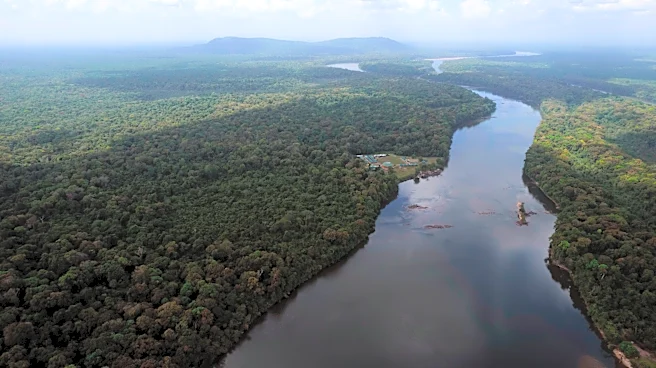
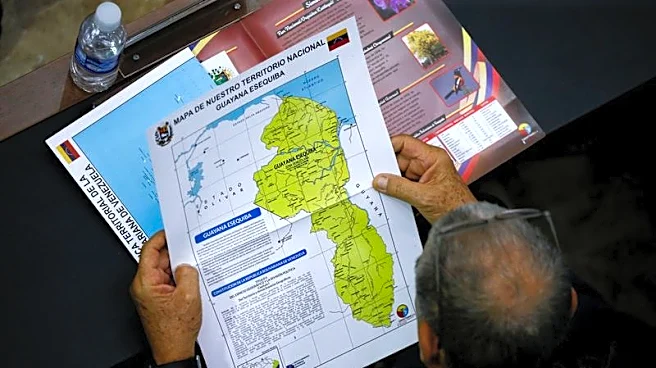
Venezuela has presented its case to the International Court of Justice, claiming that a mineral-rich region of Guyana was fraudulently taken during the colonial era. The disputed Essequibo region, rich in natural
resources like gold and diamonds, has been a point of contention between the two countries. Venezuela argues that a 1966 agreement, rather than the court, should determine the rightful ownership of the territory. The 1899 arbitration decision, which favored Guyana, is contested by Venezuela as a product of colonial manipulation. The hearings are part of a long-standing territorial dispute, with Venezuela asserting historical claims dating back to the Spanish colonial period.
Why It's Important?
The outcome of this case could significantly impact the geopolitical landscape in South America, particularly concerning resource control and national sovereignty. The Essequibo region's wealth in natural resources, including proximity to offshore oil deposits, makes it a strategically important area for both countries. A ruling in favor of Venezuela could alter existing economic and political dynamics, potentially affecting international relations and regional stability. The case also highlights broader issues of colonial legacy and territorial rights, which continue to influence international disputes.
What's Next?
The International Court of Justice is expected to take several months to reach a final decision. The ruling will be legally binding, potentially setting a precedent for similar territorial disputes worldwide. Both Venezuela and Guyana will likely continue diplomatic efforts to assert their claims, while the international community watches closely. The decision could prompt reactions from neighboring countries and international organizations, influencing future negotiations and regional cooperation.