


What's Happening?
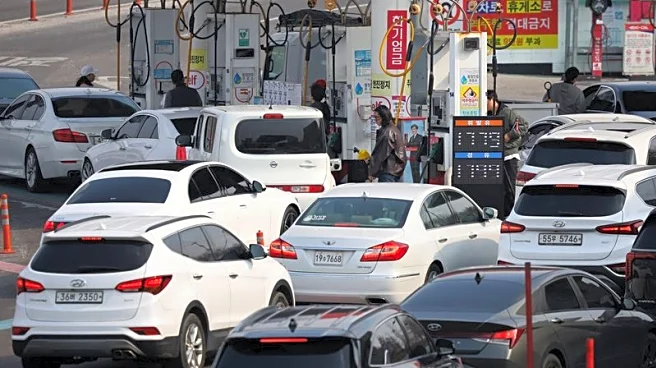
Senator Elizabeth Warren has criticized President Trump for the rising gas prices in the U.S., attributing the increase to the ongoing conflict involving Iran. Warren expressed concerns that the geopolitical tensions are exacerbating the financial strain
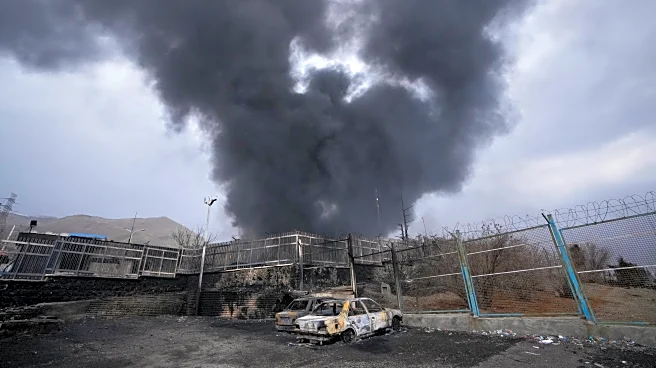
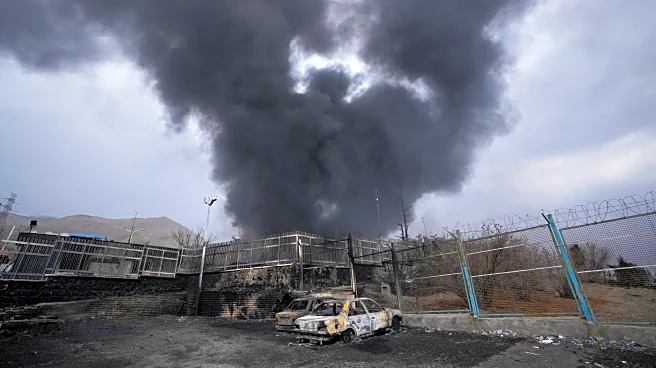
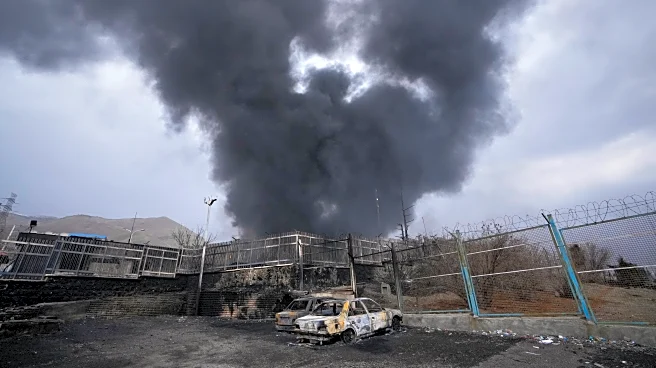
on American households, which are already struggling with the cost of living. The conflict has led to the closure of the Strait of Hormuz, a critical chokepoint for global oil shipments, causing volatility in energy markets. Reports indicate that the disruption is affecting oil production, with Kuwait cutting output due to storage capacity issues. The price of WTI crude futures has surged, reflecting the market's response to the crisis.
Why It's Important?
The rising gas prices have significant implications for the U.S. economy and consumers. As energy costs increase, they can lead to higher prices for goods and services, further straining household budgets. The situation also poses challenges for policymakers, as they must balance geopolitical strategies with domestic economic stability. The conflict's impact on global oil supply highlights the interconnectedness of international events and domestic economic conditions. If the situation persists, it could lead to prolonged inflationary pressures, complicating efforts to manage economic growth and stability.
What's Next?
The duration of the conflict will be a critical factor in determining its long-term impact on gas prices and the broader economy. If tensions continue, further disruptions in oil supply could occur, leading to sustained price increases. Policymakers may need to consider measures to mitigate the impact on consumers, such as temporary allowances for certain oil transactions. The response from major stakeholders, including government officials and industry leaders, will be crucial in navigating the economic challenges posed by the conflict.