



What's Happening?
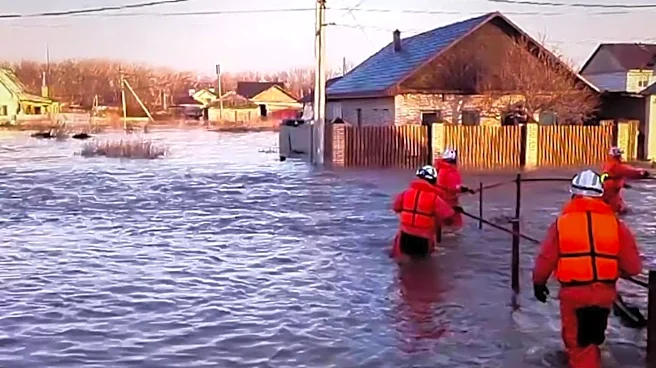
Colorado Governor Jared Polis issued an update on November 10 regarding the ongoing recovery efforts following severe flooding in southwestern Colorado. The update highlighted continuous rescue operations, progress in transportation repairs, and available
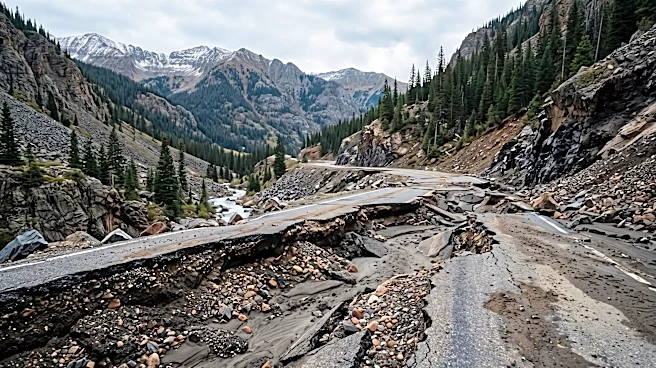
resources for affected residents and businesses. The Colorado Department of Transportation (CDOT) reported that three highway segments remain closed: U.S. Highway 160 over Wolf Creek Pass, U.S. 160 at the Piedra River Bridge, and Colorado Highway 151 south of Chimney Rock National Monument. Crews anticipate reopening Wolf Creek Pass to limited traffic as early as the upcoming weekend, weather permitting, which would also allow Wolf Creek Ski Area to resume operations. Repairs to the Colorado Highway 151 bypass are expected to restore access before Thanksgiving. State and federal teams are conducting damage assessments from November 10-12 in Archuleta, Conejos, La Plata, Mineral, Montezuma, and Rio Grande counties to determine eligibility for federal disaster assistance. Over 1,000 people have received assistance from four Disaster Assistance Centers, and emergency lodging programs are supporting 311 households and 30 first responders.
Why It's Important?
The ongoing recovery efforts are crucial for the affected communities in southwestern Colorado, as severe flooding has caused significant damage to infrastructure and displaced residents. The swift response and coordination between state and federal agencies, along with numerous nonprofit organizations, underscore the importance of a multi-faceted approach to disaster management. The reopening of key transportation routes, such as Wolf Creek Pass, is vital for restoring economic activity, particularly for industries like tourism and agriculture that rely on these arteries. The damage assessments are a critical step in securing federal disaster assistance, which will be essential for long-term rebuilding and recovery. The provision of emergency lodging and assistance centers highlights the immediate humanitarian needs following such events. This situation also emphasizes the vulnerability of infrastructure to extreme weather events and the need for resilient planning and rapid response mechanisms to mitigate their impact on communities and local economies.
What's Next?
Crews are working to reopen Wolf Creek Pass to limited traffic by the upcoming weekend, and the Colorado Highway 151 bypass is expected to be accessible before Thanksgiving. State and federal teams will complete their damage assessments in the affected counties by November 12, which will inform decisions regarding federal disaster assistance. Residents affected by the flooding may qualify for unemployment insurance, paid sick leave, or benefits through Colorado’s Family and Medical Leave Insurance program. Resources for shelter and disaster assistance are available by calling 2-1-1 or texting ZIP codes to 898-211, with volunteer cleanup assistance also provided. State officials continue to urge residents to avoid floodwaters, respect road closures, and follow local emergency instructions. The focus will remain on restoring full functionality to damaged areas, providing ongoing support to affected individuals, and securing necessary funding for long-term recovery and infrastructure resilience.
Beyond the Headlines
Beyond the immediate recovery, this event highlights the increasing frequency and intensity of extreme weather phenomena, prompting deeper discussions about climate resilience and infrastructure investment. The extensive damage to highways and the need for rapid repairs underscore the economic and social costs associated with climate-related disasters. The coordinated response involving state, federal, and non-profit entities demonstrates the complex web of support required during such crises, but also raises questions about the long-term sustainability of such efforts. The incident may also spur policy discussions on preventative measures, such as improved flood control systems and more resilient infrastructure designs, to protect communities from future events. Furthermore, the impact on local economies, particularly those reliant on tourism and transportation, could lead to calls for economic diversification and support programs to help businesses recover and adapt to a changing climate landscape.