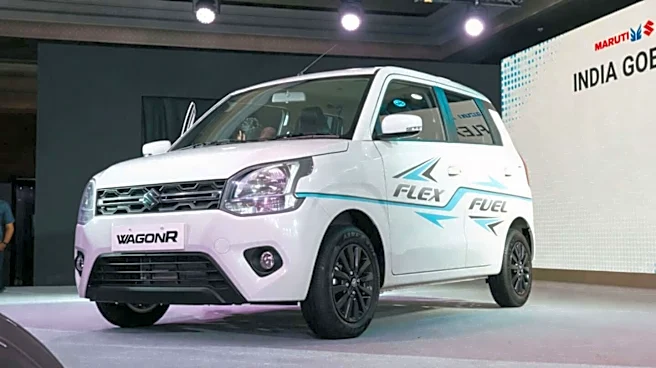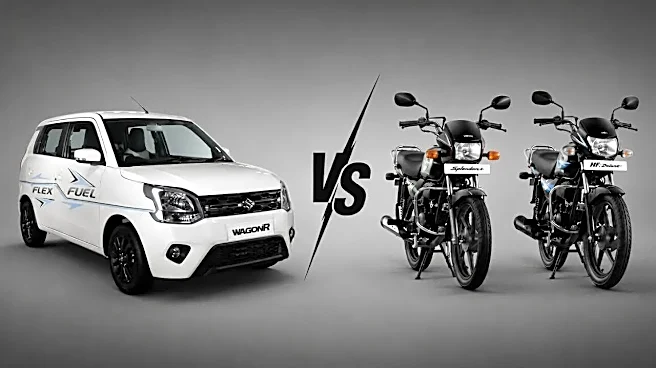


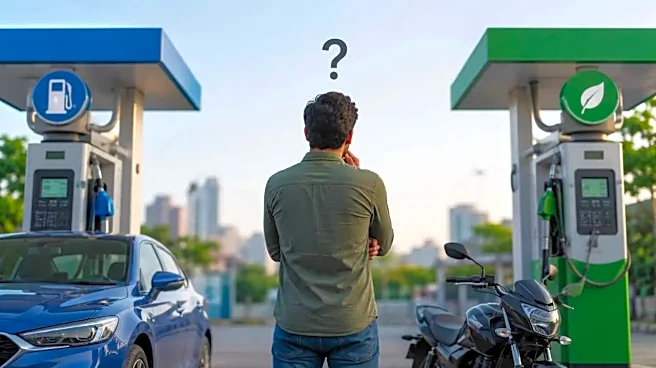
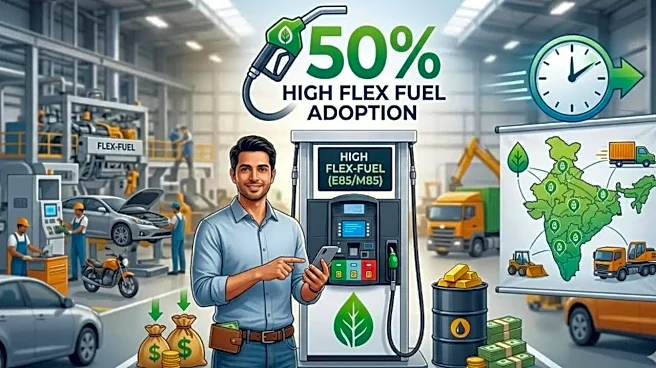
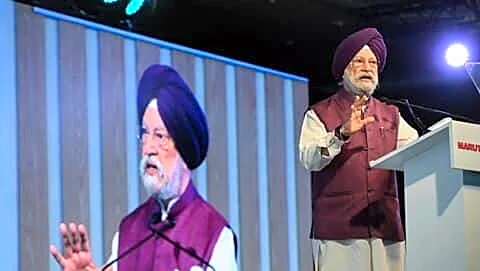
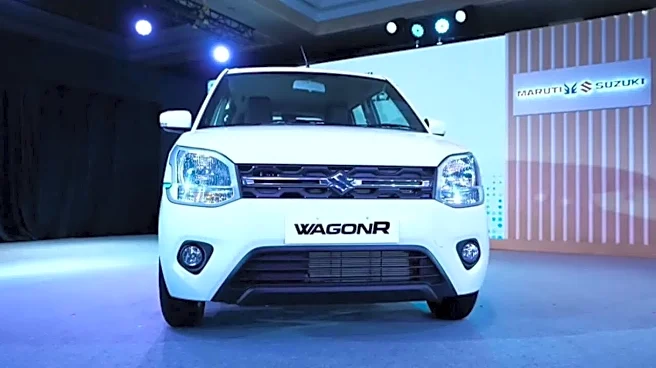
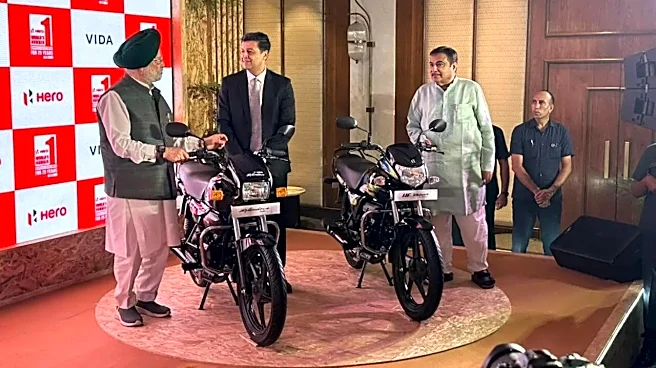
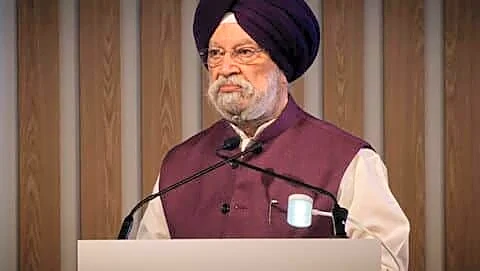
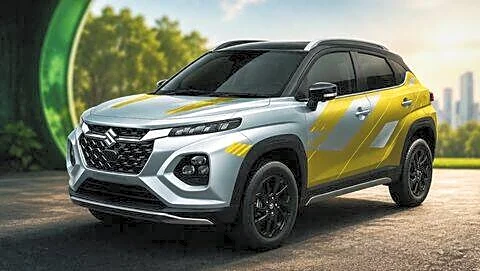
Flex-fuel has suddenly made India's path to becoming a self-reliant energy nation a lot more real. Two automotive giants have made this happen. In the same week that Hero MotoCorp launched the Splendor Plus and HF Deluxe Flex Fuel bikes, Maruti Suzuki debuted the WagonR Flex Fuel. Indian buyers can now choose flex-fuel technology for both two-wheelers and four-wheelers for the first time. Speaking at the Maruti launch event, Union Minister of Petroleum and Natural Gas Hardeep Singh Puri envisioned how shifting 50% of new vehicle sales to flex-fuel would heavily benefit buyers and farmers. But beyond the policy goals, everyday users are left with one critical question: which type of vehicle is actually easier to live with? Let's find that out.
What Are Flex Fuel Vehicles, And Difference Between E20, E85, And E100?
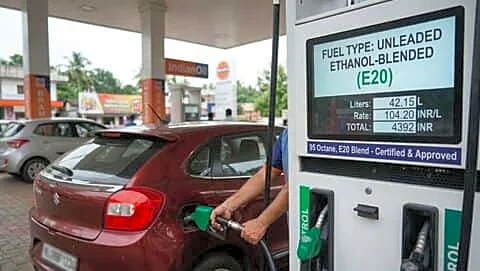
Flex-fuel vehicles are those vehicles that can accommodate different blends of petrol and ethanol (even higher content of E85 and E100). E20, E85, and E100 are three different ethanol-blended fuels that indicate how much ethanol is mixed with petrol. E20 fuel carries 20% ethanol and 80% petrol. E85 fuel contains up to 85% ethanol and around 15% petrol. It is mainly used in flex-fuel vehicles. E100 fuel is nearly 100% ethanol. Unlike EVs, Flex Fuel Vehicles do not require charging, as opposed to electric vehicles. Moreover, they can be refuelled at a regular fuel station.
What's Easily Available Today?
On the two-wheeler side, buyers now have more options than ever. Hero's newly launched Splendor Plus and HF Deluxe Flex Fuel bikes that can run on ethanol blends of up to E85% (Which is 85% ethanol content and 15% petrol). For car buyers, the WagonR Flex Fuel is the sole option in the segment. However, with automakers showing interest, and government measures, including road tax benefits, wider availability of E85 fuel, dedicated identification for flex-fuel vehicles and fuel stations, the technology has a wider chance to spread at the fastest pace.
The Fuel Availability Challenge
The biggest hurdle for both cars and bikes is not the vehicle, but the fuel. As the availability of E85 is reported to be limited, with supply initially concentrated around cities such as Delhi-NCR, Mumbai, Pune, and Nagpur. For people residing outside these regions, the adoption whether to flex fuel cars or bikes can still be difficult. That said, bikes enjoy a slight advantage. Their smaller fuel tanks and city-focused usage mean riders are more likely to refuel within urban areas where E85 pumps are expected to arrive first.
Running Costs And Everyday Practicality
This is one department where flex-fuel bikes step ahead. Two-wheelers, particularly bikes, such as the HF Deluxe Flex Fuel, are expected to cost only slightly more than their standard petrol counterparts. Hence, this will make it easier for daily commuters to switch and gain the advantage of affordability. Flex-fuel cars, in contrast, are likely to command a higher premium over regular petrol models.
Besides the price, bikes remain easier to park, cheaper to service, and better suited to congested city traffic. The Hero flex-fuel motorcycles retain familiar mechanical components, meaning maintenance should remain simple. Cars, however, offer advantages that cannot be ignored. Better weather protection, air conditioning, luggage space, and family-friendly seating make them far more versatile for long-distance travel and daily family duties.
Which One Should You Choose?
For solo commuters and budget-conscious buyers, flex-fuel motorcycles could currently be an ideal option. They are cheaper to buy, easier to maintain, and better suited to city life. Flex-fuel cars offer greater comfort and practicality, but the higher purchase price and limited E85 infrastructure make them a tougher sell today.
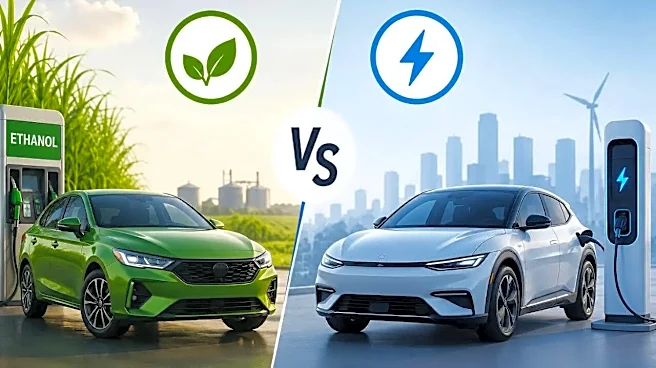
Also Read: Ethanol vs Electric: What Should Indian Buyers Pick In 2026?
In conclusion, if you're looking to embrace ethanol right now, a flex-fuel bike is the easier vehicle to live with. For car buyers, the technology is ready, but the fuel network of India still has some catching up to do.

/images/ppid_59c68470-image-178049752866486349.webp)