
/images/ppid_a911dc6a-image-177853008490398154.webp)


Buying an electric car in India has become far more realistic in 2026 than it was even two years ago. Charging stations are easier to find, battery range figures have improved and more affordable EVs are entering the market every month. But here’s the thing many first-time buyers realise only after delivery: owning an EV changes your daily routine in small but important ways. It’s not just about replacing petrol with charging. Your parking situation, driving habits, office commute and even your apartment society rules suddenly start mattering much more. Before making the switch, there are a few practical realities Indian buyers should honestly think through.
Your Lifestyle Matters More Than The Battery Size
A lot of people shopping for their first EV immediately ask the same question: “What’s
the range?”
But in real life, the better question is: “How do you actually use your car?”
If your daily driving is 30 to 40 km inside Delhi, Mumbai or Bengaluru traffic, you probably don’t need a huge 500 km claimed range EV. Many owners end up paying extra for larger battery packs they rarely fully use. On the other hand, if you frequently drive between cities or take long highway trips, charging infrastructure suddenly becomes much more important than brochure numbers.
And yes, real-world range in India is very different from claimed figures. Heavy traffic, aggressive AC usage during summers, fast expressway speeds as well as stop-go driving can noticeably reduce battery efficiency. That’s completely normal, but many first-time buyers are still surprised by it.
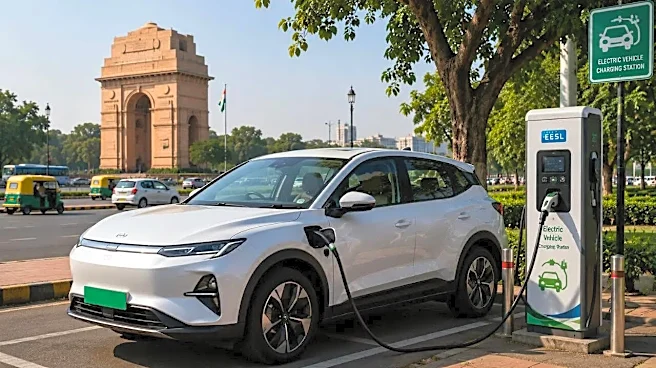
Then comes the bigger issue: charging at home. If you live in an independent house, EV ownership becomes much easier because overnight charging feels almost effortless after a few weeks. But apartment buyers need to check things carefully before booking a car. Does your parking spot have charging access? Will the society allow charger installation? Is there enough electrical load available? These sound like small details until you actually own the vehicle. That’s why many experienced EV owners now say the charger matters almost as much as the car itself.
Also Read: How Much Can You Save On Electric Cars Under Delhi EV Policy 2.0 Draft Amid PM Modi’s EV Push?
EV Ownership Feels Different In Ways Most Buyers Don’t Expect
One thing that usually changes after buying an EV is how people think about driving itself. You start planning routes slightly differently. You become more aware of battery percentage than fuel gauge habits. Highway charging stops need some planning especially outside major cities. None of this is difficult but it is different.
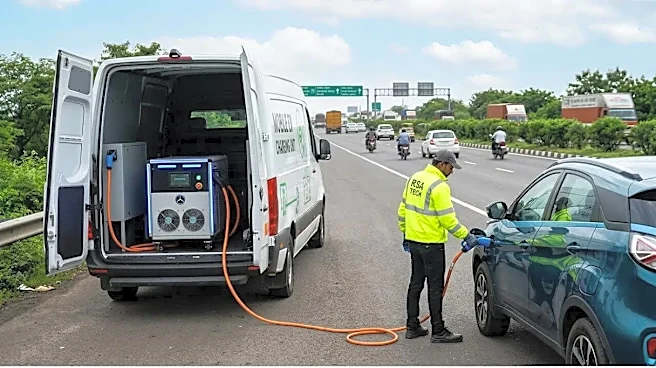
Battery anxiety has also reduced compared to earlier years because most manufacturers now offer 8-year battery warranties. Still, replacement costs remain expensive outside warranty periods especially on larger battery packs. That’s why charging habits matter more than people think. Many long-term owners prefer slower home charging for daily use and reserve fast chargers mainly for highway trips.
There’s also the safety side that buyers should not ignore. Improper extension boards, low-quality sockets or unofficial charging setups in apartment basements can create genuine risks. Using manufacturer-approved chargers and proper electrical installations is important especially during regular overnight charging.
And honestly, EVs make the most sense today for people with predictable daily routines. Office commutes, city driving and fixed travel patterns suit them perfectly. Buyers doing frequent remote highway travel may still need to evaluate charging availability carefully before switching completely.
The important thing is this: buying an EV in 2026 no longer feels futuristic in India. But it does require slightly different thinking compared to owning a petrol or diesel car.






/images/ppid_59c68470-image-177859503710395327.webp)