
/images/ppid_59c68470-image-177904252520683122.webp)

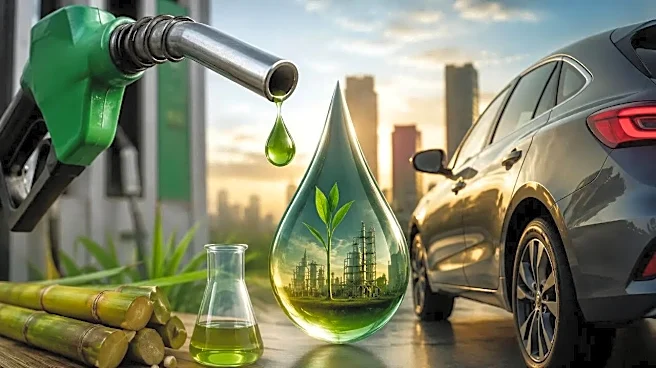
India’s ethanol-blended fuel programme could soon move beyond E20 petrol. The government has now notified fuel standards for higher ethanol blends ranging from E22 to E30, including E27 petrol. While E30 fuel is not hitting pumps right away, the latest move is important because it gives oil companies and carmakers a framework to prepare for the next stage of ethanol blending in India. The development comes at a time when India is trying to reduce crude oil imports and increase the use of locally produced biofuels. For car buyers, it also raises an important question: will today’s petrol cars be ready for higher ethanol blends in the future?
India takes another step towards cleaner mobility 🇮🇳
Bureau of Indian Standards has notified fuel standards
for E22, E25, E27 & E30 fuels, enabling higher blending of anhydrous ethanol with petrol for positive ignition engine vehicles.
The BIS notification lays down technical… pic.twitter.com/yKw0zSA5rB
— DD News (@DDNewslive) May 19, 2026
Government Notifies E22, E27 And E30 Petrol Standards
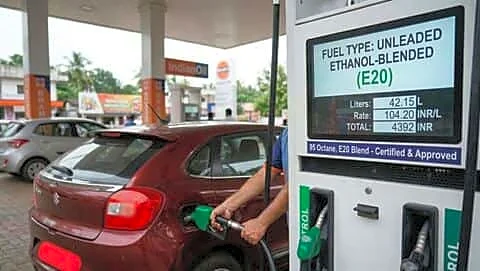
So far, most discussions around ethanol-blended fuel in India have focused on E20 petrol. Carmakers have been updating engines for E20 compatibility, while fuel retailers have gradually expanded availability across different states.
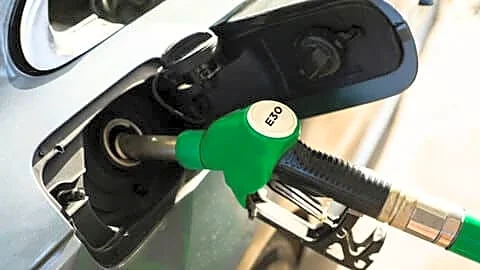
Now, the Bureau of Indian Standards (BIS) has notified specifications for petrol containing 22 per cent to 30 per cent ethanol. That includes E22, E27 and E30 fuel variants. This does not mean E30 petrol will be introduced immediately, but it signals where India’s fuel strategy could be headed next.
The Centre has been pushing ethanol blending aggressively over the last few years. India had earlier advanced its E20 target to 2025-26 instead of the original 2030 timeline. The idea is simple: reduce dependence on imported crude oil while increasing ethanol production from crops such as sugarcane and maize.
India still imports over 85 per cent of its crude oil requirement, so even a small reduction in petrol consumption through blending can help reduce import costs over time.
What Happens To Existing Petrol Cars?
This is the part most vehicle owners will care about. Many older petrol cars on Indian roads were never developed for high ethanol blends like E30. Ethanol behaves differently from regular petrol and can affect fuel lines, rubber parts, injectors and even engine tuning if the vehicle is not designed for it.
Even some cars that are currently marketed as E20-compatible may need further engineering changes before they can safely run on E30 fuel over long periods. That is why the latest notification is more about future preparedness than an immediate switch.
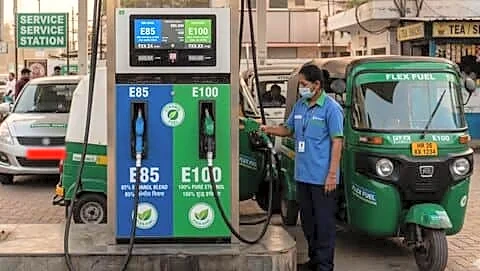
In the coming years, buyers may start hearing more about flex-fuel engines as well. These vehicles are designed to handle different ethanol concentrations without major mechanical issues. A few manufacturers have already displayed flex-fuel prototypes in India, though mass adoption is still some distance away.
Also Read: Ethanol Blended Petrol: What You Need to Know About India’s Green Fuel Push
Mileage Could Change Too
There is another aspect buyers should know about: fuel efficiency. Ethanol carries lower energy content compared to pure petrol. In simple terms, a higher ethanol blend can slightly reduce mileage. The exact difference depends on the vehicle and engine setup, but it is one reason why automakers need to recalibrate engines for higher blends.
For now, E30 petrol remains part of India’s long-term fuel roadmap rather than an immediate reality. But with fresh standards now approved, it is clear that India is already preparing for the next step beyond E20.