


/images/ppid_59c68470-image-177053502527848042.webp)
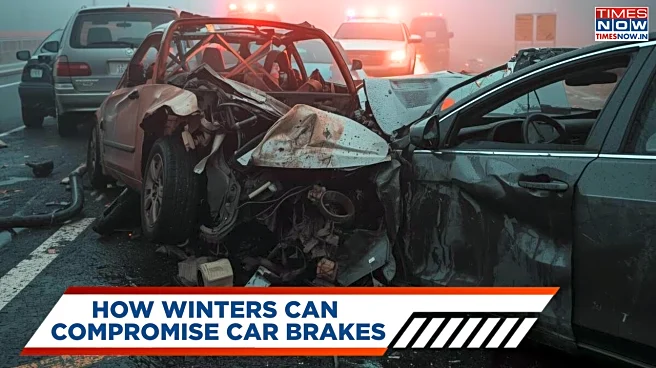
With the ongoing winter season, drivers need to understand the effects of cold weather on their vehicle's performance. While the weather can affect the vehicle's mileage, early morning behaviour and other factors, the cold weather can also lead to an increase in the effective braking distance of a car. Understanding why this occurs and taking necessary precautions can help ensure road safety.
Also Read: Top 5 Best-Selling Cars In November 2025 – Tata Nexon, Maruti Suzuki Dzire And More
When temperatures drop, several factors contribute to longer braking distances. First, the performance of the tyres can be diminished under cold conditions. Most vehicle tyres are designed to operate optimally at higher temperatures but when the air is cold, the rubber
can get harder, which reduces the tyre's grip on the road. This loss of traction means that a vehicle may take longer to stop, especially on icy or slightly wet surfaces. The cold weather can also affect a vehicle's brake fluid, causing it to thicken and become less effective. Therefore, maintaining the right tyre pressure and ensuring that brakes are in good condition is essential during winter driving.
Regular car maintenance is crucial for safety during the winter season. Vehicle owners should check up on the tyre tread depth to ensure adequate grip, brake pads for wear and tear, brake fluid levels to maintain effectiveness and battery health, as cold weather can reduce battery efficiency. These simple car maintenance tips can prevent accidents caused by increased braking distances.
In addition to proper vehicle maintenance, drivers should adopt specific driving techniques during the winter months. The precautionary steps that are good to follow include reducing speed over icy or wet roads, maintaining a safe following distance to allow for longer stopping distances, avoiding sudden movements, such as sharp turns or quick stops, which can lead to skidding and using low-beam headlights in fog or low visibility conditions
During the winter season, fog can exacerbate driving difficulties even further. It is vital to stay informed about local weather conditions and adjust driving habits accordingly. Traffic authorities often issue advisories to reduce speed limits during foggy conditions, which should be strictly adhered to. This helps prevent accidents, as visibility can be severely compromised. It is advised that you wait or delay your programs to focus your driving times during more favourable hours. Avoid early morning drives and instead, focus on commuting when the fog has dissipated and visibility has improved.
Keep reading Times Now Auto for more relevant winter driving tips to keep the roads safe for all drivers.
/images/ppid_a911dc6a-image-177053802351910131.webp)

/images/ppid_a911dc6a-image-177053764417956845.webp)