
/images/ppid_59c68470-image-177605763272851186.webp)
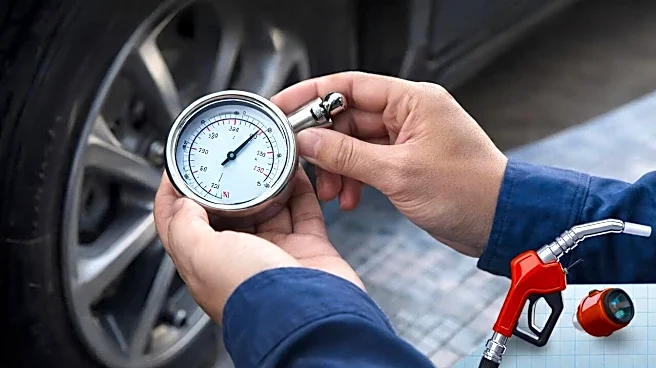
With fuel prices staying high, most drivers are always looking for ways to improve mileage. While many focus on engine performance or driving style, one of the simplest and most ignored factors is tyre pressure. Keeping tyres properly inflated can improve fuel efficiency by up to 3%, which means real savings over time without spending anything extra.
Why Tyre Pressure Affects Fuel Consumption
Tyres are the only point of contact between your vehicle and the road. When they are under-inflated, they become softer and spread more on the road surface. This increases friction, also known as rolling resistance. As a result, the engine has to work harder to move the vehicle forward, which leads to higher fuel consumption.
Even a small drop in pressure matters. Experts say that for every 1 PSI (pounds per square inch) drop, fuel efficiency can be reduced by around 0.2% to 0.4%. Many vehicles run 5-10 PSI below the recommended level without the driver even knowing, which can reduce mileage by up to 3%.How Proper Tyre Pressure Improves
Mileage
When tyres are inflated correctly, they roll smoothly with less resistance. This helps the engine maintain speed more easily without using extra fuel. In simple terms, less effort from the engine means less fuel burned.
Under-inflated tyres, on the other hand, create drag. The engine needs more power to overcome this drag, especially during acceleration. This directly impacts mileage, especially in daily driving conditions.
City Vs Highway Driving Impact
In city traffic, where vehicles frequently stop and start, low tyre pressure can lead to even higher fuel loss. Every time you accelerate, the engine struggles more due to extra resistance. On highways, the impact is slightly lower but still important. Properly inflated tyres help maintain steady speed with less effort, improving overall fuel efficiency during long drives.
More Benefits Beyond Fuel Saving
Maintaining correct tyre pressure is not just about saving petrol. It also improves overall driving safety and reduces long-term costs. Properly inflated tyres provide better grip, which improves braking and handling. They also wear evenly, which increases tyre life. In contrast, low pressure can cause overheating, increasing the risk of tyre damage or even blowouts at high speeds. Additionally, better fuel efficiency means lower emissions, which is good for the environment.
Also Read: Royal Enfield Guerrilla 450 Explained - What All You Get In This Street Bike
Simple Tips to Maintain Correct Tyre Pressure
Checking tyre pressure is easy and should be part of regular vehicle care. Always check pressure at least once a month, as tyres naturally lose air over time.
Make sure to check tyres when they are cold, meaning the vehicle has not been driven for a few hours. Heat can increase pressure and give a false reading.
Also, always follow the recommended pressure mentioned in the owner’s manual or on the sticker inside the driver’s door. The number written on the tyre itself is usually the maximum limit, not the ideal level.
Tyre pressure may seem like a small detail, but it has a big impact on fuel efficiency. In a time when every litre of fuel counts, this simple habit can help you save money, improve safety, and extend tyre life.
If you want better mileage without any extra cost, start with your tyres. It’s one of the easiest and most effective steps every driver can take.







/images/ppid_59c68470-image-177606759498356916.webp)
