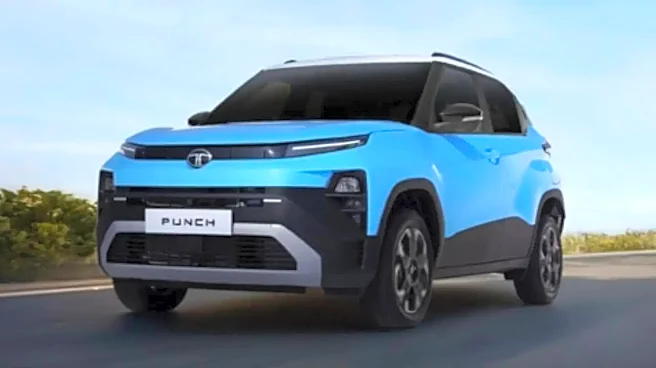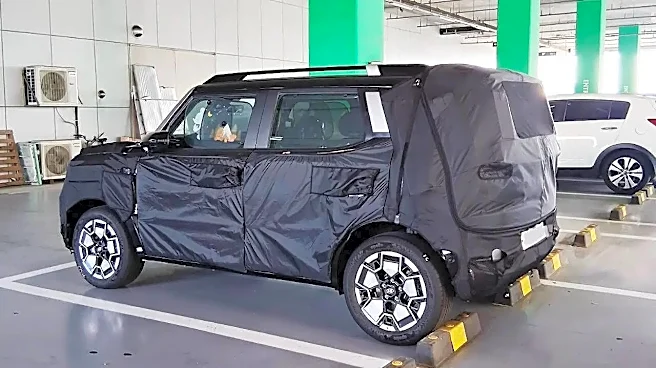




Hyundai's upcoming sub-4-metre electric SUV has been spotted testing again in South Korea, and it looks like it's shaping up to take on the Tata Punch EV rather than aim higher up the price ladder. That's really the part worth paying attention to if you've been holding off on an EV purchase, since Hyundai is reportedly building this one in India with a lot of local sourcing, specifically to keep the price down rather than just adding another SUV to the lineup. Given how often test mules keep turning up, this could end up being one of Hyundai's more genuinely affordable EVs for India.
When Will This Hyundai EV Actually Launch In India?
Nothing's been confirmed officially, but going by how often test mules have turned up lately, a Diwali 2026 launch seems likely, with early 2027 as a backup window.
Hyundai's reportedly calling it the HE1i internally, part of a much bigger plan, the company's apparently lining up 26 new models for India by FY2030 with two new SUVs due this financial year alone.
Styling-wise, it borrows a lot from the Inster EV Hyundai already sells overseas: a tall, boxy shape, a fully closed-off grille since there's no engine needing airflow as well as split headlamps sitting low on the bumper. Observers have also picked up on 17-inch alloys, blacked-out ORVMs, roof rails and body cladding, pointing toward a more rugged look than what Hyundai usually goes for on its sedans.
What Battery And Range Can You Expect?
This one's likely to run a modified version of Hyundai's E-GMP platform, the same setup powering the Inster EV abroad and the battery options could mirror that car's, 42kWh and 49kWh packs, good for around 300 km and 355 km respectively on the WLTP cycle. Real-world range in India would naturally come in lower than that, same as it does for pretty much every EV sold here.
DC fast charging up to 120kW is also on the cards, which on paper means a 10-80% top-up in roughly 30 minutes, assuming you can actually track down a charger that fast. Inside, you're probably looking at dual 10.25-inch screens, ventilated front seats, a sunroof and Vehicle-to-Load support for running external devices off the battery with Level 2 ADAS and a 360-degree camera covering the safety side.