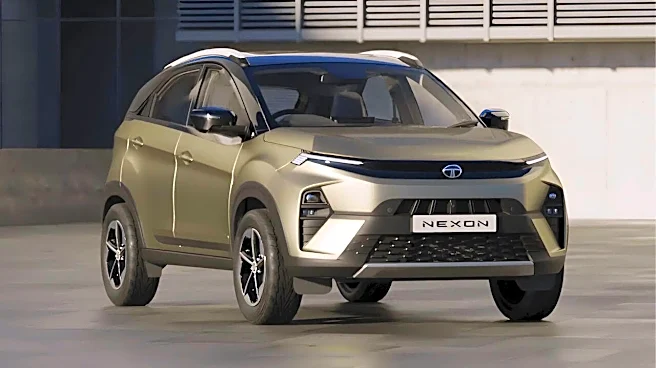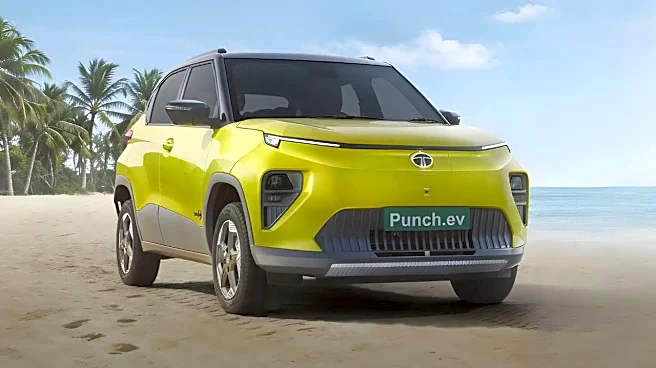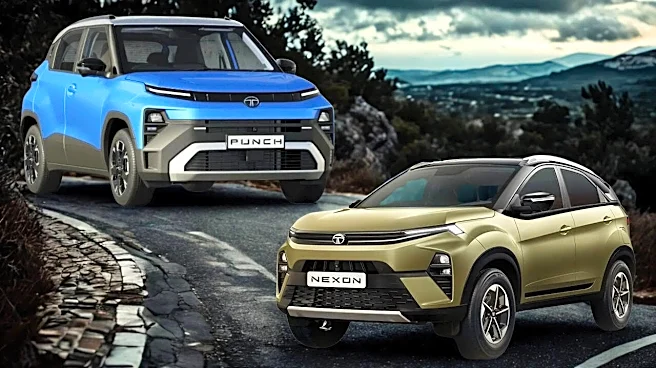

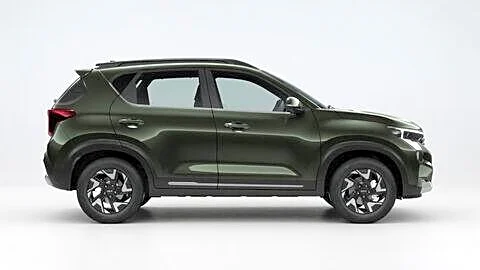
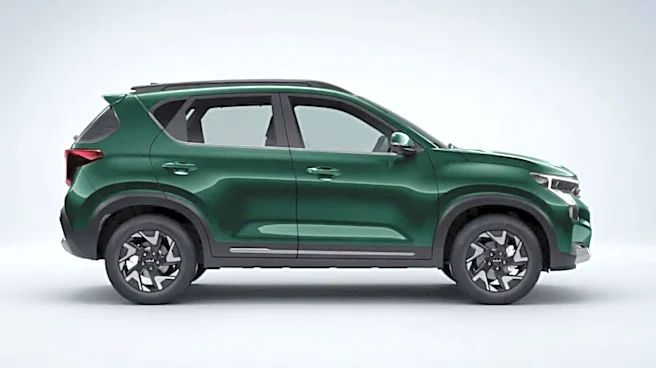
Choosing between the Tata Punch and the Tata Nexon isn’t just about picking a smaller or bigger SUV anymore. Both models come with a range of powertrain options, including petrol and CNG. There is also updated safety equipment as well as wider variant options to choose from. What this really means for Indian buyers is simple: the price gap is definitely there, but both SUVs are impressive when it comes to acing factors that car buyers generally look for. So instead of looking at them as alternatives, it’s about understanding where each one fits in your daily use.
Price, Dimensions And Segment Difference
The Tata Punch SUV sits at the lower end of the SUV ladder with ex-showroom prices starting at around Rs 5.65 lakh and going up to about Rs 10 lakh (ex-showroom). The Nexon starts closer
to Rs 7.37 lakh and stretches beyond Rs 15 lakh (ex-showroom) depending on the variant. That Rs 2-5 lakh difference is the first significant deciding factor.
Size is where things begin to separate clearly. The Nexon is 3,995 mm long, 1,804 mm wide, and rides on a 2,498 mm wheelbase. The Punch is smaller at 3,827 mm in length, 1,742 mm in width, with a 2,445 mm wheelbase. Ground clearance is 208 mm for the Nexon and 187 mm for the Punch. On the road, this shows up as more rear seat space and a larger boot in the Nexon while the Punch feels easier to drive and park in crowded city conditions.
Engine Options, Power And Mileage
The Tata Punch currently offers three 1.2-litre, 3-cylinder petrol units: a naturally aspirated engine (88 hp/115 Nm), a turbo petrol unit (120 hp/170 Nm) and an iCNG (Bi-fuel Petrol + CNG) option. The latter puts out 73.4 hp and 103 Nm. The transmission options on duty here include a 5-speed MT, a 6-speed MT and a 5-speed AMT.
The Nexon, on the other hand, offers more choice. Its 1.2-litre turbo petrol makes 120 hp and 170 Nm, and there’s also a 1.5-litre diesel (115 hp/260 Nm) for those who drive longer distances regularly. Meanwhile, the 1.2 litre turbo iCNG delivers 100 hp and 170 Nm. Gearbox options include 5-speed MT, 6-speed MT, 6-speed AMT and 7-speed DCA. On paper and in real use, the Nexon is noticeably stronger especially once you get past city speeds.
Fuel efficiency reflects their roles. The Punch petrol delivers around 20.09 kmpl while the Nexon petrol is closer to 17.4 kmpl. So if your driving is mostly within the city, the Punch holds an advantage in running costs.
Also Read: Tata Nexon, Tiago, Harrier And Safari Get Discounts In April – Details
Features, Safety And Buyer Impact
Both SUVs cover the basics well when it comes to safety including ABS with EBD and electronic stability control. The difference lies in how far each one goes beyond that. The Nexon offers up to six airbags, a larger touchscreen, digital instrument cluster, ventilated front seats and even a 360-degree camera in higher trims.
The Punch keeps it straightforward with essential features like a touchscreen infotainment system, steering-mounted controls and connectivity options. It doesn’t try to match the Nexon feature-for-feature and that’s reflected in the price.
So the choice becomes clearer when you look at your usage. If you want something compact, easier to manage in traffic as well as lighter on the pocket, the Punch fits naturally. But if you’re looking for more space, stronger performance along with extra features for mixed city and highway driving, the Nexon justifies the higher price.