
/images/ppid_59c68470-image-177606759498356916.webp)
/images/ppid_a911dc6a-image-177597702717090451.webp)
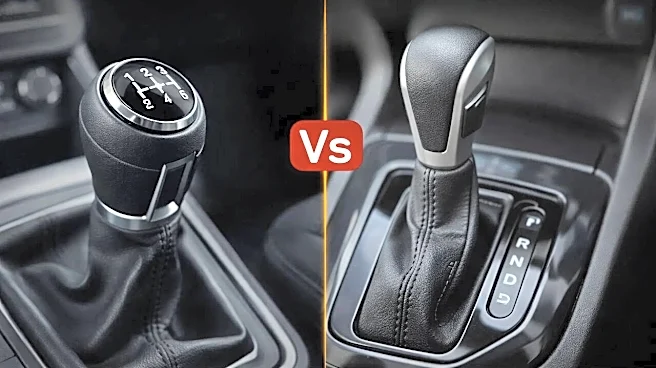
The debate between manual and automatic cars has been around for decades. Earlier, the answer was simply that manual cars were more fuel-efficient. But in 2026, with better technology and smarter gearboxes, the gap has almost disappeared. Today, the real answer depends less on the car and more on how and where you drive.
Real-World Truth About Fuel Efficiency
In everyday driving, both manual and automatic cars can deliver good mileage. A manual car gives the driver full control over gear shifts, which can help save fuel if driven properly. On the other hand, modern automatic cars use advanced systems to manage gear changes more efficiently than most drivers can. So, the question is no longer about which is better in theory, but which works better in real-life
conditions.
Manual Cars
Manual cars still hold an advantage when it comes to fuel efficiency, especially on open roads. The direct connection between the engine and wheels means less energy loss. A skilled driver can shift to higher gears early and maintain low engine RPM, which helps save petrol.
However, this advantage depends entirely on the driver’s habits. Riding the clutch, delaying gear shifts, or driving aggressively can quickly reduce fuel efficiency. In simple terms, a manual car performs well only if driven well.
Automatic Cars
Automatic cars have come a long way. Earlier, they were known for higher fuel consumption, but modern systems like AMT and CVT have changed that perception. These systems use computers to shift gears at the right moment, keeping the engine in its most efficient range. This removes guesswork and reduces fuel wastage caused by human error. In heavy traffic, this makes a big difference.
City Driving
In crowded city conditions, where drivers constantly stop and start, automatic cars often perform better. They avoid unnecessary revving and handle gear changes smoothly. In such situations, manual drivers may end up using more fuel due to frequent clutch and gear use. Modern automatics, especially CVTs and AMTs, are designed to handle this type of driving efficiently.
Also Read: New Renault Duster Deliveries Begin Across India
Highway Driving
On highways, manual cars usually have a slight advantage. With fewer gear changes and steady speeds, a driver can maintain low RPM and get better mileage. Automatics are still efficient on highways, especially newer ones with multiple gears, but manuals often edge ahead due to their simpler and more direct setup.
Not All Automatics Are Equal
It’s important to understand that not all automatic cars behave the same. AMTs are simple and efficient, CVTs are smooth and great for city use, while DCTs focus more on performance. Traditional torque converter automatics have also improved, especially with newer 8 and 10 speed versions. This means the type of automatic transmission plays a big role in fuel consumption.
There is no clear winner anymore. If you mostly drive on highways and enjoy controlling your car, a manual still makes sense. But if your daily routine involves traffic and frequent stops, a modern automatic can match or even beat a manual in fuel efficiency. In today’s automotive world, fuel economy is no longer just about the gearbox. It’s about how you drive, where you drive, and choosing the right technology for your needs.