
/images/ppid_59c68470-image-178125255413626498.webp)
/images/ppid_59c68470-image-178120253612378055.webp)
/images/ppid_59c68470-image-178118003082066033.webp)


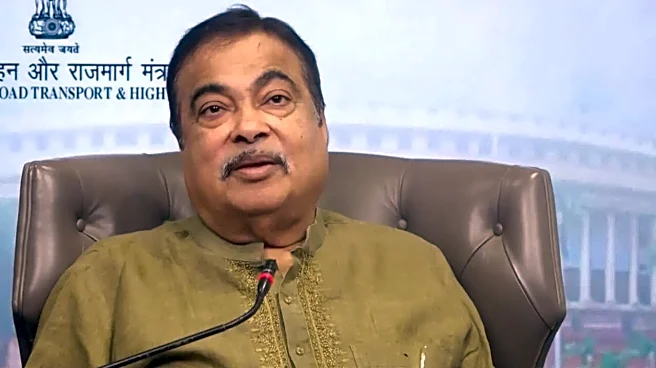
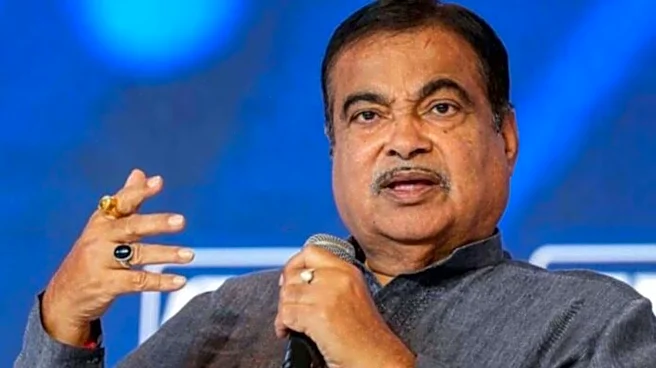
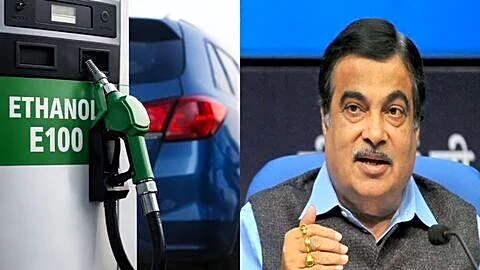
Union Minister Nitin Gadkari has approved the E100 as a certified fuel for Indian vehicles. At the Sugar, Ethanol & Bio-Energy India Conference in Nagpur, Gadkari revealed he had signed the file authorising E100 fuel, which is a significant upgrade in India's energy future. It also leapfrogs the current E20 mandate in the country, which caps ethanol content at 20% mixed with petrol. The approval for E100 opens the door for a new generation of ethanol-powered vehicles to coexist with existing sustainable alternatives in a market that is long dominated by petrol.
What Is E100 Fuel and Why Does It Matter?
E100 means pure ethanol, with zero amount of petrol blended in it. Unlike the E20 standard, where 20% ethanol is mixed with 80% petrol, E100 represents a complete shift away from fossil-based
fuel for vehicles specifically designed to run on it. Ethanol is a renewable, domestically sourced fuel produced primarily from sugarcane, corn, and other agricultural feedstocks.
In our country, India, which depends heavily on crude oil imports, the E100 is a viable alternative. Every litre of ethanol used in place of petrol will help reduce import bills as well as make India self-reliant in energy creation. It will also direct more revenue towards farmers cultivating ethanol feedstocks. Ethanol also offers a lower environmental footprint, with studies suggesting lifecycle carbon dioxide emissions can be up to 50% lower than those of conventional petrol.
Is This The End of Petrol?
The decision to bring in the E100 fuel standard is the beginning of a long-term transition. It is not an immediate replacement for petrol. So, buyers or existing users should not panic, as it doesn't mean petrol cars are going away anytime soon. Instead, the move opens the door for automakers to launch flex-fuel and dedicated ethanol-powered vehicles in India. It creates a regulatory path for ethanol-first vehicles to enter the Indian market as a powerful new option alongside EVs, CNG, and hybrids.
Addressing Sugar, Ethanol & Bio-Energy India Conference 2026 organised by Chini Mandi https://t.co/1BkL1rcBG6
— Nitin Gadkari (@nitin_gadkari) June 13, 2026
From E20 to E100: Next Chapter In Fuel Strategy
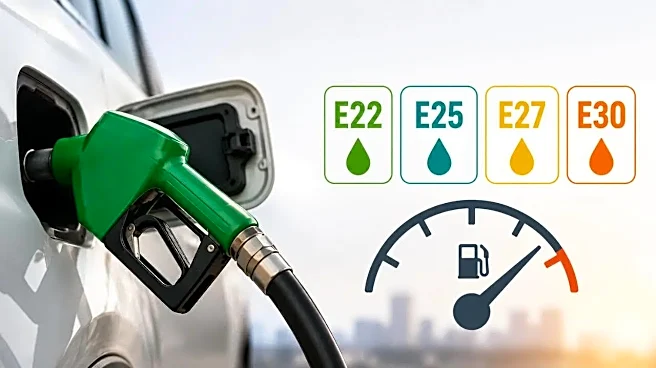
The ethanol adoption strategy for India is entering a new phase. For the past few years, the government's focus has been on increasing ethanol content in petrol through the E20 programme. The approval of E100, however, signals that policymakers are now looking beyond blending and towards vehicles capable of running entirely on ethanol. The most recent introduction of E85 fuel offers an early glimpse of the country's flex fuel ambitions. Now, the swift clearance for E100 suggests that the government is moving faster than expected to create an alternative fuel ecosystem. Several automakers have already invested in flex-fuel technology, including Hero MotoCorp, which launched the E85 versions of the HF Deluxe and Splendor Plus, as well as Maruti Suzuki, which debuted the WagonR Flex Fuel.
Also Read: Nitin Gadkari Pushes Isobutanol-Diesel Blending — What It Means for Vehicle Owners
With E100 now formally approved, it remains to be seen how quickly manufacturers will respond by accelerating development and bringing dedicated ethanol-powered models to Indian showrooms over the coming years.

/images/ppid_59c68470-image-178126003034890695.webp)




/images/ppid_59c68470-image-178133002326852996.webp)