


The Bureau of Energy Efficiency has released a draft of India's next fuel-efficiency rules, CAFE-III, proposing a stricter carbon target of 91.7 grams per kilometre and a shift to a more realistic testing method from 2027. The new norms would apply from FY2027-28 to FY2031-32, replacing the current MIDC lab test with the globally used WLTP cycle which measures fuel consumption closer to real-world conditions. This matters because how carmakers respond to these targets, whether by pushing more hybrids and EVs or improving petrol and diesel engines, will shape what's actually available in showrooms over the next five years. Here's what the draft proposes, and what it could mean for your next car purchase.
What Actually Changes Under CAFE-III
CAFE norms don't apply to a single car
model; they measure the average carbon emissions across every vehicle a manufacturer sells in a year, meaning brands can still sell large or less-efficient vehicles as long as their overall fleet average stays within limit. The biggest structural change here is the testing method itself, moving from the older MIDC cycle to WLTP for type approval from March 31, 2027, a switch that better reflects how cars actually perform on the road rather than in a controlled lab setting.
The compliance period also changes to a five-year block running 2027 to 2032 with performance reviewed annually even though penalties are calculated across the full cycle. BEE has also floated a further tightened target of 70 grams per kilometre for the following CAFE-IV phase from 2032 to 2037.
Why Hybrids And EVs Get Treated Differently
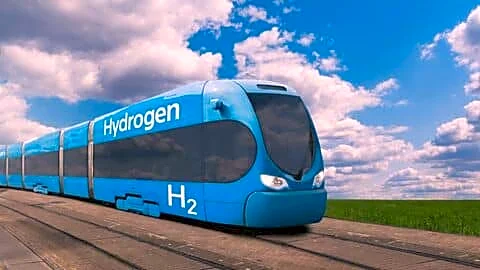
The draft revises how manufacturers earn "super credits", which let low-emission vehicles count more than once toward a company's fleet average. Hydrogen fuel-cell vehicles would get the highest multiplier at five, while battery electric vehicles retain their existing multiplier of four.
Plug-in hybrids and strong hybrids, however, see their incentive multipliers reduced compared to the current CAFE-II regime, a change that could influence which powertrains manufacturers prioritise going forward. A new, separate provision for ethanol-compatible vehicles has also been proposed though this remains subject to a pending BEE study before being finalised.
What This Means If You're Buying A Car Later
The draft doesn't place any direct requirement on buyers, and BEE has explicitly said it's inviting industry and public comments before finalising anything. Over the next few years, stricter targets are likely to push manufacturers toward more hybrid and electric models along with wider use of efficiency features like regenerative braking and auto start-stop systems, even on regular petrol and diesel cars.
Whether any of this affects vehicle prices will depend entirely on how individual carmakers choose to meet these targets once the rules are finalised, so buyers shouldn't expect an immediate price shift from this draft alone.