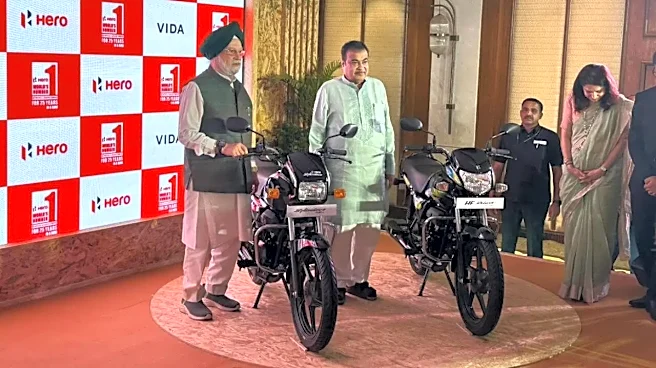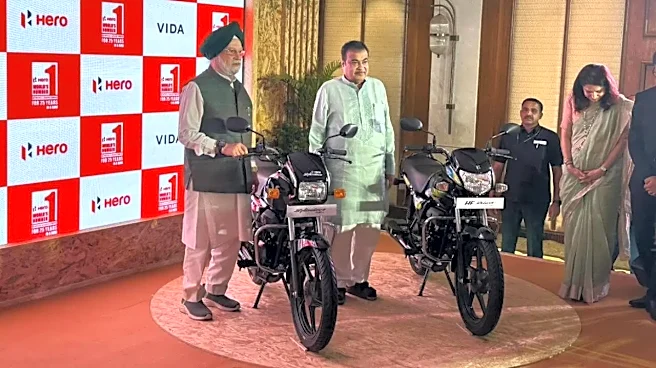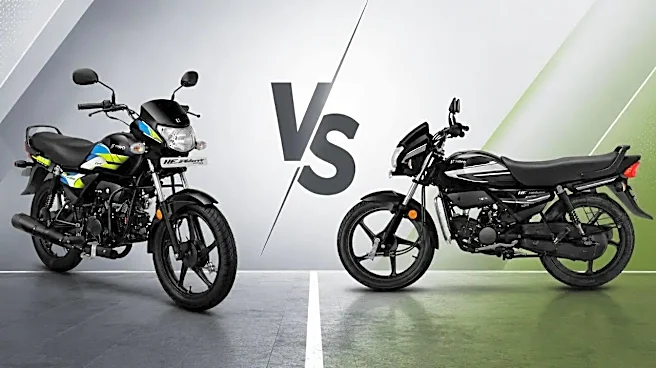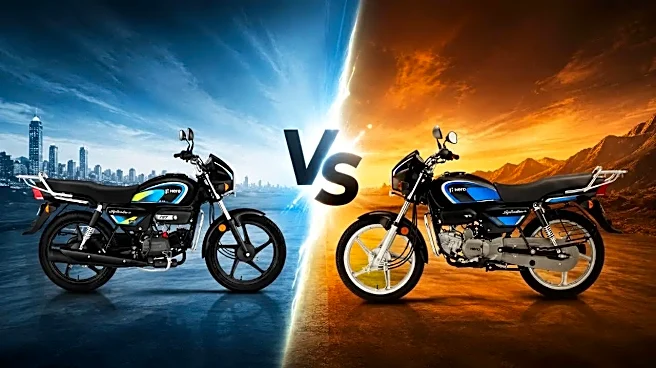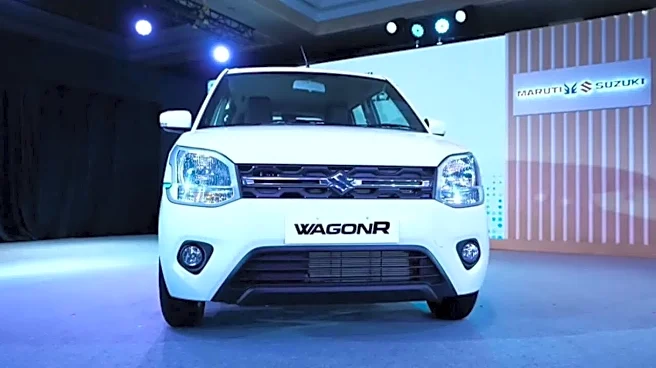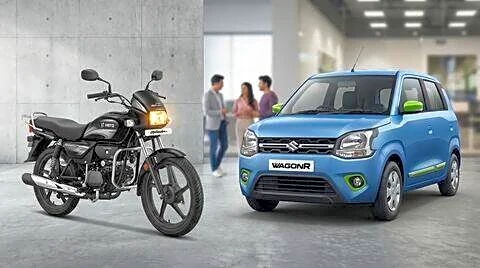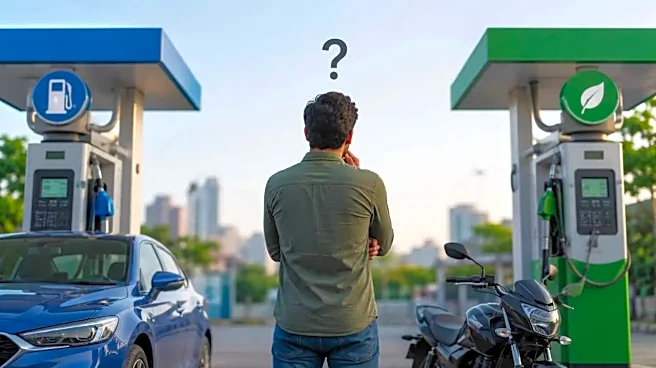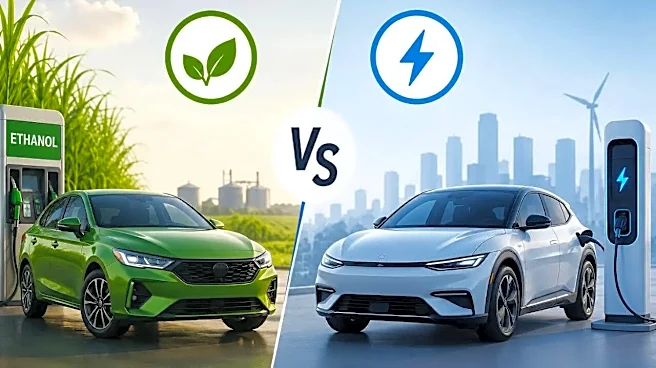

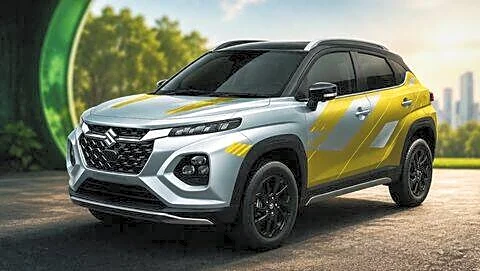
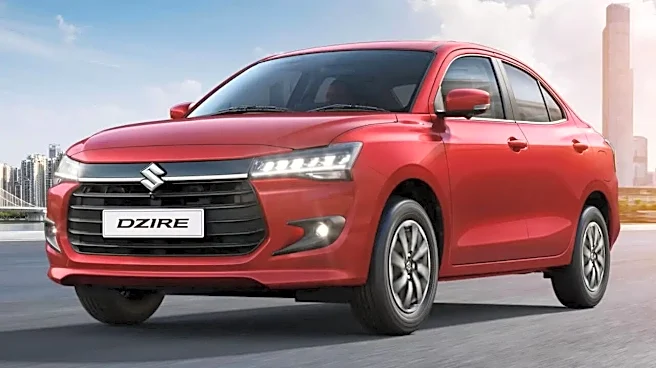
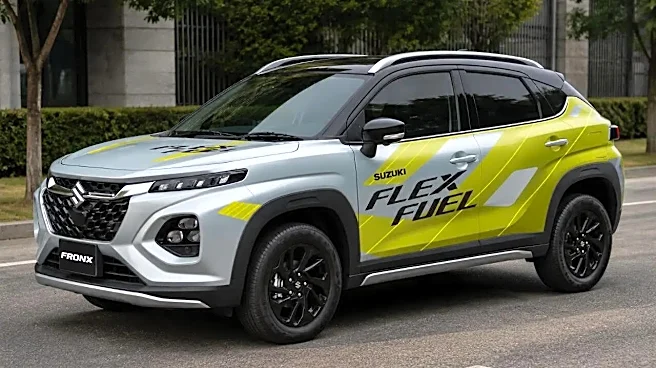
Two big automakers in India, Hero MotoCorp and Maruti Suzuki, have brought ethanol mobility into the spotlight. Hero recently launched its first E85 flex-fuel Splendour Plus and HF Deluxe, while Maruti Suzuki is also set to unveil India's first E100 car. All of this is taking place against the backdrop of growing adoption of EVs amid a high fuel price hike. For reference, EVs accounted for more than 9% of total two-wheeler sales in May 2026. As India pursues multiple routes to attain its lower emission targets and maximise use of cleaner mobility, buyers are in a dilemma about which is easier to adopt today - ethanol or electric, and what should be their next vehicle in 2026, EV or flex-fuel? Here's a comprehensive view to help you determine
your cleaner ride option this year.
What Are Flex-Fuel Vehicles and Why Is Ethanol Getting A Big Push?
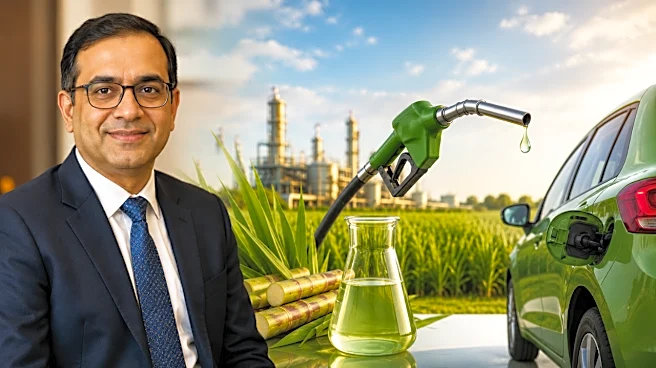
Flex-fuel vehicles are petrol-powered vehicles that can accommodate different blends of petrol and ethanol (even higher content of E85 and E100). They do not require charging as opposed to electric vehicles. Moreover, they can be refuelled at a regular fuel station. Flex Fuel vehicles with high ethanol blends are seen as a strong alternative because it is produced from renewable, domestically sourced biomass such as sugarcane, maize, and agricultural waste.
Though EVs do not produce tailpipe emissions, their environmental benefit still depends on the country's coal-based electricity. Ethanol, on the other hand, serves as a ready renewable fuel option for existing petrol engines without needing major changes to infrastructure. It has recently gained attention because India achieved its E20 fuel-blending target in 2025, ahead of its five-year target. The government is now encouraging higher ethanol blends as part of reducing its crude dependence on foreign sources.
Many manufacturers, such as Hero MotoCorp and Maruti Suzuki, are introducing flex-fuel models, and this is making ethanol a key part of India's cleaner mobility roadmap. The biggest advantage of ethanol is familiarity, as there is no need to change driving or refuelling habits.
Electric Vehicles See Rapid Growth, But Infrastructure Remains Key
Electric vehicles continue to attract traction in India, as their penetration crossed 9% in 2Ws in May 2026, while electric cars accounted for nearly 7% of PV sales. The growing popularity is supported by lower running costs, minimal maintenance requirements, and zero tailpipe emissions. The growing network of charging infrastructure across major cities is also adding to the growth. That said, higher upfront costs and limited charging availability in smaller towns and rural areas remain challenges. For many buyers, ease of charging and daily usability will continue to influence the purchase decision, and this can be one of the reasons for EVs's lower adoption than ethanol.
What Should Indian Buyers Pick In 2026?
Currently, there is no one-size-fits-all answer for this question. As for city dwellers who have smooth access to charging infrastructure, EVs make more sense and come across as a practical option, thanks to their low running costs and zero tailpipe emissions.
Also Read: Petrol vs Flex Fuel - Are E100 Vehicles Worth Buying In 2026?
However, buyers in smaller towns or those who frequently indulge in long-distance travelling may find flex-fuel vehicles easier to adopt, as they offer a familiar refuelling experience without charging concerns. The reality is that India is not choosing between ethanol and electric. It is investing in both. Though EVs currently lead in adoption, ethanol is emerging as a serious alternative. We can say that the future of mobility in our country appears to be powered by both batteries and biofuels.