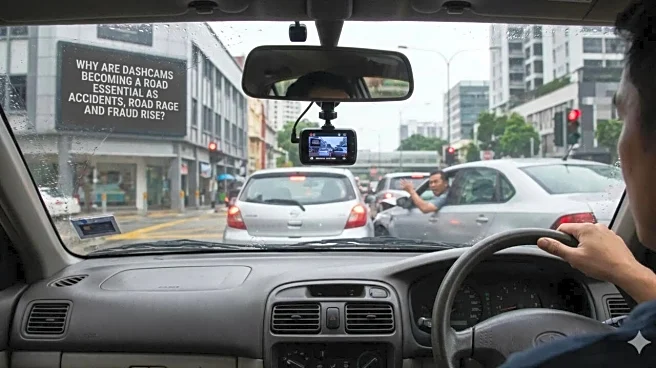

A decade ago, a dashcam was something you’d spot in a YouTube compilation or in the car of a tech enthusiast. In 2026, that small camera on the windshield has quietly turned into one of the most practical
safety tools a driver can own. For new car buyers and everyday motorists, dashcams are no longer about recording scenic drives, they are about protection, proof and peace of mind.
Indian roads, like many around the world, have become more crowded and unpredictable. Minor accidents often escalate into heated arguments, and determining who was at fault can quickly turn into a stressful back-and-forth. This is where dashcams have proved their worth. By recording clear, time-stamped footage, they provide objective evidence of what actually happened. In accident cases, this footage can cut through confusion, protect honest drivers from false accusations and help insurance companies process claims faster.Road rage is another growing concern. Sudden braking, aggressive overtakes and confrontations are no longer rare sights. In such situations, dashcam recordings can be invaluable for law enforcement. They don’t rely on memory or emotion, just facts. In many cases, the presence of a visible dashcam itself acts as a deterrent, making aggressive drivers think twice.
Insurance fraud has also played a big role in the rise of dashcams. Staged accidents and “crash-for-cash” schemes cost insurers—and honest motorists—heavily. Dashcam footage has become a powerful defence against such scams. In fact, many insurance companies now actively use dashcam clips to verify claims, speed up settlements and identify fraudulent activity. Some insurers have even started offering incentives or premium benefits for vehicles equipped with dashcams.
Also Read: Kawasaki Versys 1100 Gets Rs 1 Lakh Discount In India - Check Updated Price
Modern dashcams do more than record while driving. Features like parking mode allow the camera to monitor the vehicle when it’s parked, capturing hit-and-run incidents, scratches or vandalism. For those who park on busy streets or shared apartment parking lots, this added layer of security can be reassuring.
Dashcams are also useful for monitoring driving behaviour. Families use them to keep track of new or young drivers, while businesses rely on them for fleet management and driver training. Over time, this encourages safer driving habits.
However, dashcams are not without concerns. Privacy remains the biggest issue. Recording public roads can capture pedestrians, other vehicles and conversations inside the car. Audio recording, in particular, can become legally sensitive if passengers are unaware. Sharing dashcam footage online—especially with the intent to shame or harass, can lead to privacy and defamation issues. Data security is another consideration, as connected dashcams store location and video data that must be handled responsibly.
Globally, laws vary. Some countries have strict regulations or limitations on continuous recording, while others allow it with conditions. In regions like India, authorities are increasingly recognising dashcams as safety tools, with discussions around standardised or integrated dashcam provisions in newer vehicles.
The key is responsible use. Mount the camera so it doesn’t obstruct your view. Disable audio recording unless absolutely necessary. Use reliable memory cards and regularly delete unnecessary footage. Most importantly, submit clips directly to insurers or authorities instead of posting them publicly.
In today’s driving environment, a dashcam acts as a silent, impartial witness. It doesn’t argue, exaggerate or forget. As accidents, road rage and fraud continue to rise, that quiet presence on your windshield may prove to be one of the smartest decisions you make as a driver.