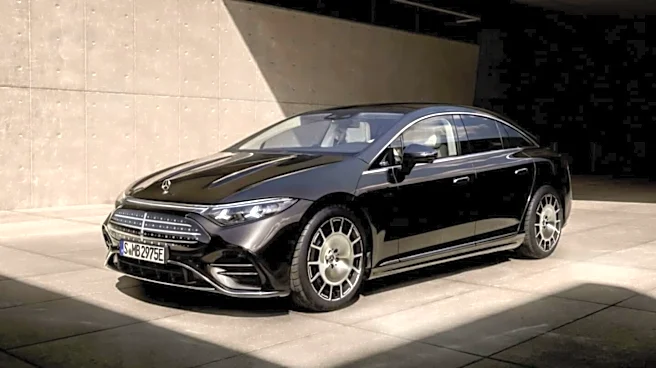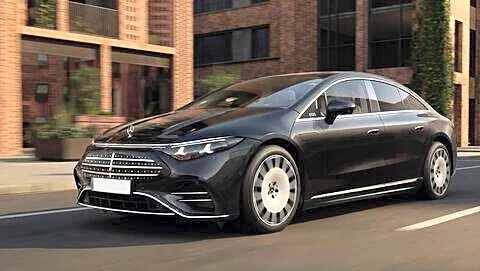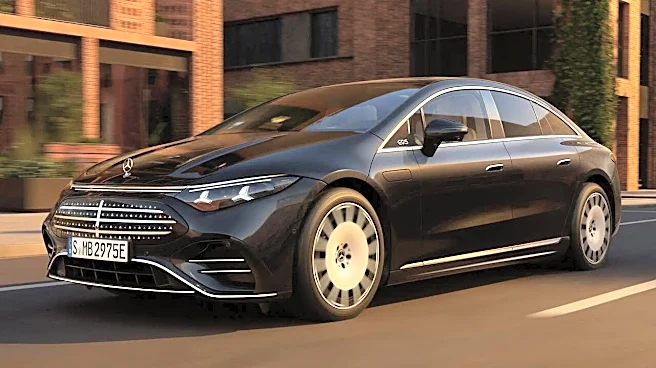



The 2027 Mercedes-Benz EQS has been revealed with a claimed 926 km WLTP range and a new steer-by-wire system. This means a significant shift in EV technology. For Indian buyers, this matters as it signals longer-range EVs and next-gen driving tech that could reach future luxury cars. This is not a minor update. Mercedes-Benz has reworked a large portion of the EQS, introducing a new 800V electrical architecture, updated battery chemistry, and revised drive units. The result is a claimed 13 percent increase in range over the outgoing model. Alongside efficiency gains, the focus is clearly on improving usability, especially for long-distance driving and faster charging cycles.
926 Km Range, 800V System And Faster Charging
The headline figure here is the 926 km WLTP range, which places the new
Mercedes-Benz EQS among the longest-range electric sedans globally. This improvement comes from a larger battery pack, optimised energy density along with better aerodynamics instead of just increasing battery size.
The move to an 800V architecture is equally important. It allows DC fast charging of up to 350 kW which enables the EQS to add around 300+ km of range in just 10 minutes under ideal conditions. For buyers, this directly reduces charging downtime and makes highway travel more practical.
Mercedes-Benz has also improved regenerative braking and overall efficiency and has ensured that the added range is supported by real-world usability. What this really means is that the EQS is being positioned not just as a city luxury EV but as a long-distance electric sedan.
Steer-By-Wire And Software-Led Changes
A key highlight is the introduction of steer-by-wire technology. This system removes the physical connection between the steering wheel and front wheels replacing it with electronic inputs and actuators.
In practical terms, this allows variable steering response depending on speed, reduced steering effort and better manoeuvrability. It also enables design changes inside the cabin including a flatter steering interface and improved visibility of the driver display.
The EQS also adopts Mercedes’ new MB.OS software platform which integrates vehicle functions and supports over-the-air updates. Combined with updated driver assistance systems and AI-backed features, the focus is shifting towards software-defined driving experiences rather than just hardware upgrades.
Also Read: Mercedes-AMG A45 S Track Edition Launched — Price, Specs
What This Means For Indian Buyers
The 2027 EQS shows where premium EVs are heading: higher range, faster charging and electronically controlled driving systems. While these features are currently limited to top-end models, they typically move to more accessible segments over time.
For India, the relevance lies in future readiness. Charging infrastructure is still evolving and technologies like 800V systems and improved efficiency could play a key role in wider EV adoption.
Final decisions will depend on pricing, localisation as well as launch plans. But as a technology showcase, the updated EQS sets a clear benchmark for what next-generation electric luxury cars will offer.