
/images/ppid_a911dc6a-image-178175552540859366.webp)



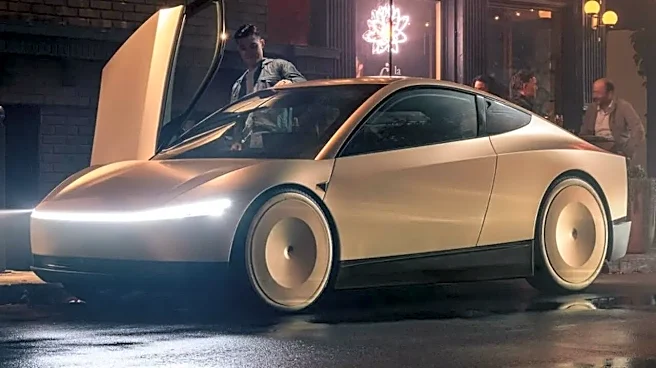
Tesla Cybercab just cleared US emissions certification and the EPA paperwork shows it pulling 673 km of range out of a battery roughly half the size of what most long-range EVs carry around. That's really the part worth paying attention to here, not the range number itself. There's no Cybercab launch for Indian EV buyers to wait on but the thinking behind it, lighter weight, a smaller motor, tighter energy use, is exactly the direction Indian manufacturers need to head in if they want EV prices to come down without range taking the hit.
Can You Actually Trust That 673 km Number?
Mostly, but there's a catch worth knowing. The 673km figure comes from the EPA's Multi-Cycle Test, run purely under lab conditions and the highway-only version of that same test already drops to 604 km. Apply
the EPA's usual real-world correction factor, the one that accounts for air conditioning, traffic and how people actually drive, and the number settles closer to 471 km, which lines up almost exactly with Tesla's own claimed 482 km. So nothing here is inflated, it's just a lab number being mistaken for a real-world one, the same gap most Indian buyers already know well from ARAI mileage figures rarely matching what they get on the road.
How Is A 48kWh Battery Doing This Much?
The battery itself runs at 326 volts and 146Ah, which works out to around 48 kWh, noticeably smaller than what most mainstream EVs use to claim similar range. It gets there mostly through weight, the car comes in at just 1,412kg and a single front-mounted motor making 219 bhp through a front-wheel-drive layout, something Tesla's never used on a road car before.
The EPA also clocked an efficiency rating of about 102.53 Wh/km, among the best Tesla has put on file so far. A full charge from empty pulls about 53.4 kWh from the wall, around 12 percent more than what the battery actually holds, just down to the usual energy lost while charging. None of this changes anything for Indian roads right now, but the core idea, getting range from efficiency rather than just stuffing in a bigger battery, is exactly where Indian EV makers are already being pushed.







/images/ppid_59c68470-image-178175765048613613.webp)

/images/ppid_a911dc6a-image-178175762950658263.webp)

/images/ppid_a911dc6a-image-178175712564861061.webp)