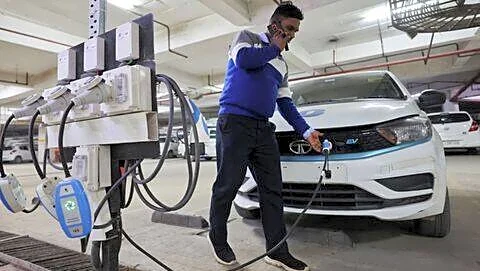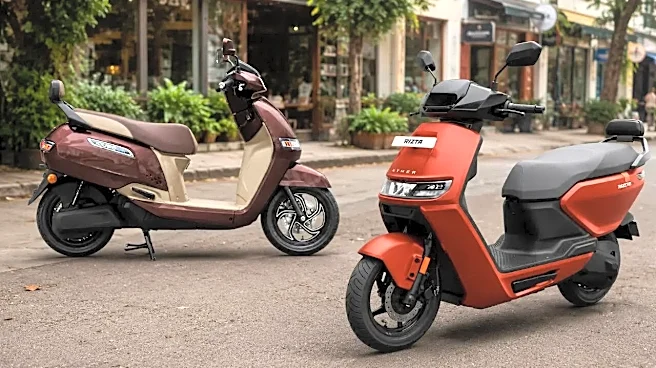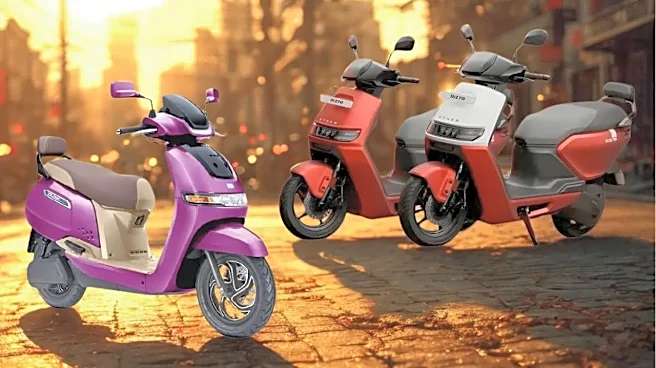




For a long time, electric scooters in India were mostly treated like early-adopter products. People liked the idea, but many still hesitated once they looked at the price tag. But now, that hesitation is starting to reduce for one simple reason - the ownership maths is beginning to make more sense now. The government has continued subsidy support for electric two-wheelers, which means buyers still get direct incentives that lower the purchase cost. Add rising petrol prices into the picture, and suddenly a lot more daily commuters are seriously calculating whether switching to an EV could actually save them money over time.
The Scooter Price Drops More Than Buyers Expect
Most buyers first compare only ex-showroom prices between petrol and electric scooters. But that usually does not show the
full picture. Under the current subsidy structure, electric two-wheelers get incentives of Rs 2,500 per kWh of battery capacity, capped at 15% of the scooter’s ex-factory cost. So if a scooter uses a battery pack around 3.2kWh, the subsidy itself can reduce the price by roughly Rs 8,000 immediately. Then state incentives start making an even bigger difference.
In Delhi, total EV benefits can cross Rs 35,000 once registration waivers, incentives and scrappage benefits are combined. Maharashtra and Gujarat also continue offering strong support, where buyers can save roughly Rs 25,000 to Rs 30,000 depending on the scooter. That changes the on-road pricing far more than people initially expect while casually browsing scooters online.
The Real Savings Happen Every Month
Honestly, the bigger advantage starts after the scooter comes home. A petrol scooter constantly demands money every week through fuel. An electric scooter mainly needs charging, and for daily city riders, that difference becomes noticeable pretty quickly. Someone commuting regularly to office or college can end up saving thousands of rupees yearly just on fuel costs alone. Maintenance is usually lighter too. No engine oil servicing. No clutch wear. No exhaust system repairs.
That does not mean EVs become magically free to own, obviously. Battery replacement costs still exist long-term. But for heavy daily users, the lower running cost starts balancing the higher purchase price much earlier than before.
Also Read: Top 5 Long-Range Electric Scooters In India: From TVS iQube To Simple One
Your State Can Significantly Change The Final Cost
This is the part many buyers still miss. The exact same electric scooter can cost very different amounts depending on the city or state where it gets registered because local EV policies vary. That is why checking subsidies has become almost as important as choosing the scooter itself.
For riders with predictable daily travel and access to home charging, electric scooters are now starting to feel less like future alternatives and more like financially sensible everyday vehicles.



/images/ppid_a911dc6a-image-177915409133845800.webp)

/images/ppid_59c68470-image-177916003352271627.webp)