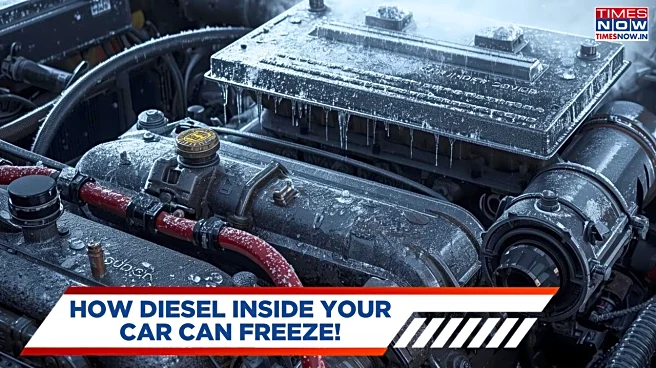

As car owners, one expects to face minor issues such as a rough startup or fogged-up windows as part of their winter driving routine but facing a frozen fuel issue is not something everyone plans for.
That's right, commonly used fuels like diesel can 'freeze' inside the tank and fuel lines during extreme cold weather and here's what you need to know to manage the situation and drive away safely.
Also Read: Mahindra Thar 3-Door Testing Hints At Roxx-Style Design Changes
Understanding the effects of cold weather on diesel fuel is essential for ensuring vehicle performance and safety during winter driving. For instance, Diesel can gel in low temperatures, which leads to fuel line blockages and engine issues. The properties of diesel can potentially change at around -15 degrees Celsius. The reason behind this can be attributed to paraffin wax in the diesel, which can start to solidify, leading to a thickening of the fuel. The gelling can result in clogged filters and fuel lines, causing engines to stall or fail to start.
The simplest way to avoid a diesel freeze is to use commonly found additives that lower the fuel's gelling point. You can also opt for winter-grade diesel or research the additives that the mass market oil companies use for their diesel blend, as a preventive solution. Regularly checking the fuel system for leaks or damage can also prevent complications caused by cold weather.
In addition to using the right fuel, maintaining proper tyre pressure is essential during winter driving. Cold temperatures can cause tyre pressure to drop, leading to reduced traction and increased risk of accidents. Drivers should check their tyre pressure regularly to ensure optimal performance and safety on extremely cold tarmac.
Another simple step that drivers can take to avoid fuel problems is to find a covered parking space for their vehicle. The chances of facing a fuel freeze situation become a lot less when the vehicle is parked inside a controlled environment rather than outside, where it is exposed to extreme weather, which can have undesirable effects. Drivers travelling to high altitudes during the winter months need to be extra careful and take appropriate precautions to avoid facing any mid-journey troubles.
/images/ppid_a911dc6a-image-177099657911579822.webp)

/images/ppid_a911dc6a-image-177099653553117833.webp)