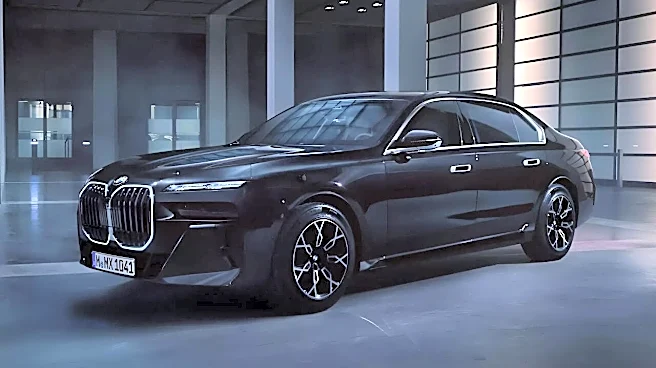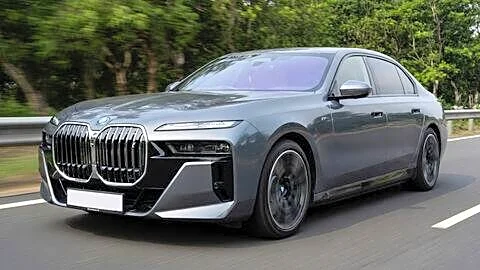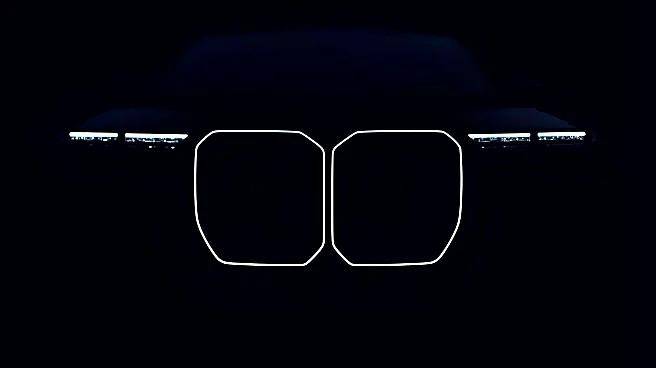


The updated BMW i7 will be revealed on April 22 at the Beijing Auto Show. The updated model will arrive with a new battery system, improved range along with faster charging. These are changes that matter directly to Indian luxury EV buyers prioritising usability over headline features. This is not a routine facelift. The upgrade introduces next-generation battery tech which has been co-developed with Rimac and aligns the i7 with BMW’s broader Neue Klasse direction. For India, where charging speed and real-world range remain key concerns, these updates could make the flagship sedan easier to live with especially for long-distance use and inconsistent charging infrastructure.
New Battery Tech Is The Biggest Shift
The highlight change is a completely reworked battery system developed
with Rimac Technology. The updated BMW i7 moves to BMW’s Gen6 cylindrical cells and replaces the older prismatic units. This change alone brings around a 20 percent increase in energy density.
What this really means is more usable energy from a similar-sized battery pack. BMW is also combining these new cells with an updated module design which are meant to improve efficiency as well as scalability for future upgrades.
This is not just a spec-sheet improvement. Higher energy density allows better range without a proportional increase in battery weight which directly impacts performance and efficiency in real-world driving conditions.
Range And Charging See Practical Improvements
The outgoing i7 delivers a WLTP range of up to around 603 km. The updated version is expected to exceed this while also charging faster than before.
Faster DC charging is a key focus. The new battery architecture is designed to reduce charging time and improve energy intake during high-speed charging sessions.
For Indian buyers, this matters more than outright range figures. Faster charging reduces downtime on highways, whereas improved thermal management is expected to help maintain consistency in hot climates. Together, these changes address two of the biggest friction points in premium EV ownership.
Also Read: BMW M2 CS Launched In India - What’s New And Why It Matters
Neue Klasse Influence And What To Expect Next
BMW is also using the i7 facelift to introduce elements of its upcoming Neue Klasse EV strategy. This includes updated electronics, improved energy management systems along with next-generation interface technology expected to roll out across future models.
Design changes are likely to be minimal and will be limited to subtle exterior tweaks and updated digital interfaces inside. From an India perspective, the positioning remains unchanged as the i7 will continue as BMW’s flagship electric sedan. What has changed is its focus. Instead of adding features, BMW is improving core EV fundamentals. That shift is important. In a segment where most updates focus on luxury and tech, the new i7 is being updated around efficiency, charging and usability and these are the areas that actually influence ownership experience.