
/images/ppid_59c68470-image-177881259940588197.webp)

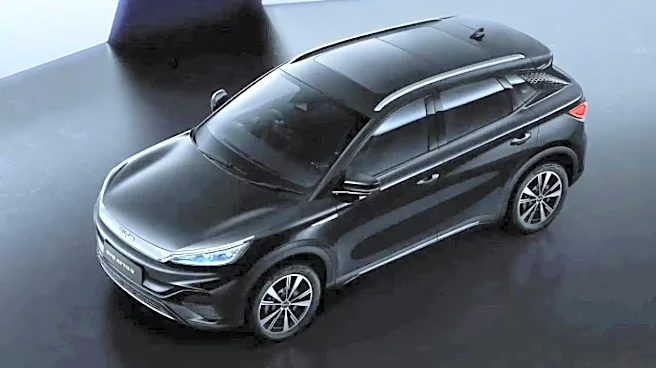
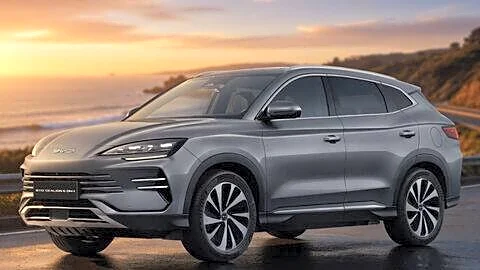
If you were planning to buy a BYD electric car, this may be the right time to decide. The company has confirmed that prices across its India lineup will go up from July 1, 2026. The increase will apply to all four BYD passenger EVs sold here currently - the Seal, Atto 3, Sealion 7 and eMax 7. The hike will be up to 2 per cent depending on the model. BYD says rising operational and input costs are behind the revision. And while “2 per cent” sounds small initially, the actual difference on premium EVs can end up being much larger than most people expect.
The Real Increase Could Easily Cross Rs 50,000
This is where things start becoming more noticeable for buyers. Most BYD models sold in India already sit in the premium EV space. So even a small percentage increase changes the final on-road
number quite a bit.
Take the BYD Seal sedan, for example. Depending on the version, prices currently go well beyond Rs 40 lakh. A 2 per cent increase there could mean paying roughly Rs 70,000 to Rs 80,000 more after July. And honestly, people buying EVs today are far more price-sensitive than before.
A couple of years ago, many EV buyers were early adopters. They were mainly interested in technology, performance or simply trying something new. Now the mindset is different. Buyers compare monthly EMIs, charging costs, insurance premiums and resale expectations just as carefully as they would for a petrol SUV or sedan. That’s especially true once vehicle prices cross Rs 30 lakh.
The Atto 3 SUV, Sealion 7 and eMax 7 will also see revised pricing. BYD hasn’t shared exact variant-wise increases yet, but the hike will vary depending on the model. This basically means anyone already considering one of these cars may start doing the same calculation now: buy before July or wait.
Also Read: BYD Leopard 8 PHEV SUV Design Patented - Check Expected Design, Price And More
Why EV Prices Keep Going Up
BYD says the increase is linked to higher operational and input costs. And to be fair, this isn’t happening only with BYD. EV manufacturing is still heavily affected by battery prices, imported components, logistics expenses and global supply-chain fluctuations. Even small changes in raw material costs can impact final pricing because batteries remain the single most expensive part of an electric vehicle.
At the same time, companies are also spending heavily to expand charging support, dealership networks and after-sales infrastructure. BYD’s India lineup has grown steadily over the last few years. The company now sells everything from electric SUVs to sedans and MPVs, all positioned in the premium space. But what’s changing now is buyer behaviour.
People are no longer impressed by “electric” alone. They want to know what the running costs look like after three years, how expensive insurance will be, whether charging is convenient near home and how much value the car may retain later. That’s why price hikes on EVs get noticed much faster now than they did earlier. Because for many buyers, the question is no longer “Should I switch to electric?” It’s “Does the overall ownership math still make sense?”



/images/ppid_59c68470-image-177881256761949868.webp)