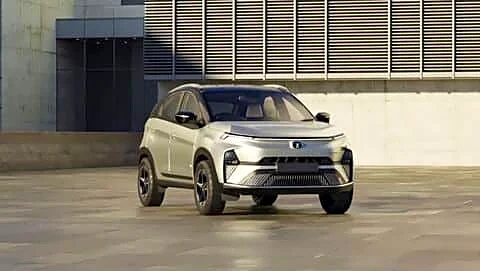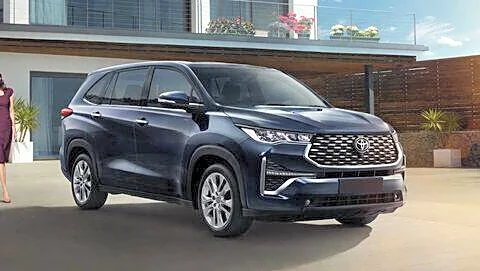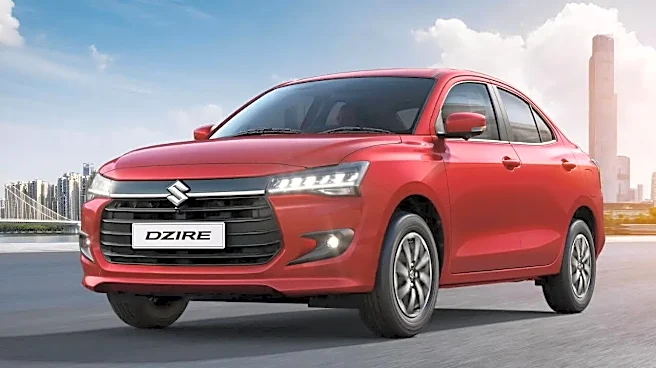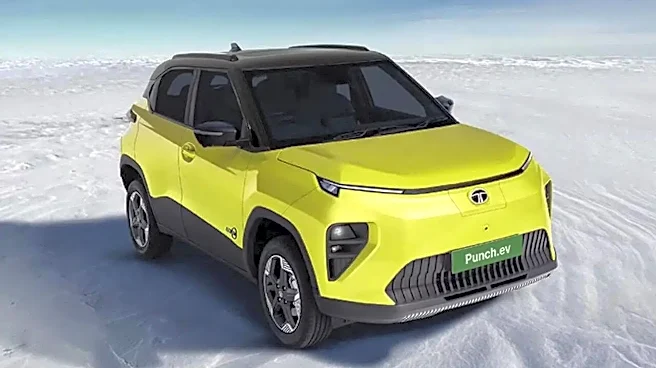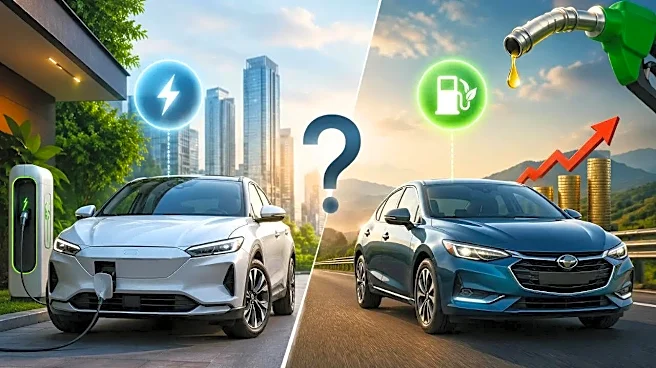

With petrol and diesel prices going up once again this month, a lot of people planning to buy a new car are back to asking the same question: EV or hybrid? A few years ago, the answer was easier because EVs still felt limited for most buyers. In 2026, things are different. Charging networks have improved, more affordable EVs are available and hybrids have also become comparatively more common in India. But here’s the thing - these two technologies suit completely different kinds of users. Someone driving 40 km daily inside a city will likely think very differently from someone doing frequent highway trips every weekend. That is why the better option now depends less on trends and more on how you actually use your car.
EVs Make Sense If Your Driving Is Mostly Local
For city users, EV ownership
is finally starting to feel normal instead of experimental. Running costs are much lower than petrol or diesel cars, and if you charge at home, the savings become noticeable pretty quickly.
The real advantage comes when your daily routine stays predictable. Office commute, school runs, short city drives - that is where EVs work best. Most owners simply charge the car overnight and use it normally the next day.
But EV ownership still depends heavily on where you live. If your apartment does not offer charging access, things become more complicated. Public charging infrastructure has improved, especially in bigger cities, but depending entirely on public chargers still requires planning.
Highway trips are another area where some buyers continue to hesitate. Fast chargers are increasing, but long-distance EV travel still needs more preparation than simply stopping at a fuel station.
Hybrids Feel Familiar And Less Stressful
Let's first understand what exactly a hybrid car means here. These vehicles use a combination of a petrol engine and an electric motor. Unlike EVs, they do not need to be plugged in for charging because the battery charges automatically while driving and through regenerative braking.
This is exactly why hybrids still make a lot of sense in India. You get better fuel efficiency than a regular petrol car, but without changing your driving habits completely. There is no charging routine, no range anxiety and no waiting for chargers.
For buyers regularly driving between cities, that convenience matters a lot more than people sometimes admit. Strong hybrids are especially efficient in slow-moving traffic because the electric motor handles low-speed driving frequently. In daily urban traffic, fuel savings can become quite noticeable over time.
The problem is pricing. Strong hybrids are still expensive in India, partly because taxation on hybrids remains much higher than EVs.
Also Read: Planning A New Car? These Upcoming Hybrids Could Be Worth Waiting For
So Which One Is Actually Better?
Honestly, neither is universally better anymore. An EV makes more sense if your driving is mostly inside the city, you have reliable home charging and you want lower running costs over time.
A hybrid makes more sense if your driving pattern changes often, you travel long distances regularly or you simply do not want to think about charging infrastructure every time you plan a trip.
Right now in India, the smarter choice depends far more on your lifestyle than the technology itself.
/images/ppid_59c68470-image-177916503897246356.webp)