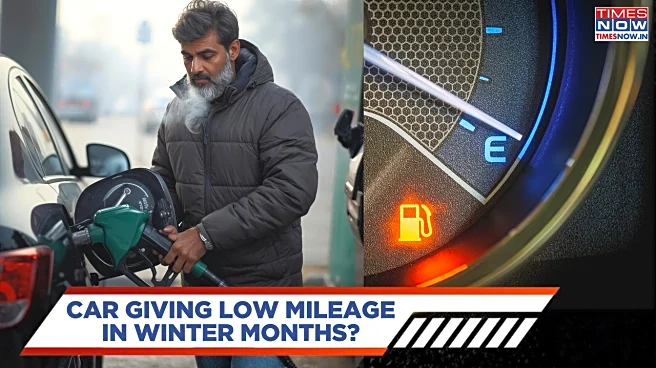




While experienced drivers may be privy to the fact but new car drivers can get confused when their vehicle's fuel efficiency suddenly drops during the winter months. Here's a quick explanation of this phenomenon and some simple steps to extract the maximum efficiency from your vehicle's engine.
Also Read: Tata Avinya EV Set For 2026 India Launch — Details Revealed
Cold weather being a major factor, it significantly affects various aspects of vehicle performance. One primary reason is that low temperatures can cause the engine oil to thicken, which increases the resistance between the moving parts and leads to reduced efficiency. Additionally, card drivers often rely on heating systems more during winter for either making the cabin comfortable
or defogging the windows for a clear vision, which also leads to higher fuel consumption. Lower fuel efficiency with regular use of the heating system can be more noticeable in older vehicles in comparison to newer models.
The other cold-weather-related factor that can lead to decreased engine performance is how your vehicle's battery may struggle to perform effectively in lower temperatures. Low temperature and reduced viscosity of the engine oil can make it harder for the engine to start. In addition, the air-fuel mixture can become less efficient as cold air is denser, which may lead to poor combustion. Regular car maintenance becomes crucial during this time, ensuring that the vehicle operates smoothly. These effects can also be more pronounced in older cars with carburetors in comparison to newer models with electronic fuel injection.
If your vehicle is returning lower mileage and does not showcase any of the above mentioned symptoms, then a quick look at your tyre pressure may help in resolving the issue. As temperatures drop, tyre pressure tends to decrease as the air inside compresses, which can affect the vehicle's on-road traction and handling. Under-inflated tires also have increased rolling resistance, making the engine work harder and consume more fuel.
Following the simple steps mentioned below, you can ensure that your vehicle performs optimally during the winter months:
- Check and replace engine oil to ensure it flows smoothly and is suitable for colder temperatures
- Keep your tyres properly inflated to reduce rolling resistance
- Ensure that the car battery is in good condition and fully charged
- Use high-quality fuel to improve your engine's combustion efficiency
By following these quick and easy winter driving tips, drivers can help mitigate the negative impact of cold weather on fuel efficiency. Additionally, taking proactive steps can lead to long-term savings on fuel expenses and reduce the risk of unexpected breakdowns.