
/images/ppid_59c68470-image-177073503438256591.webp)

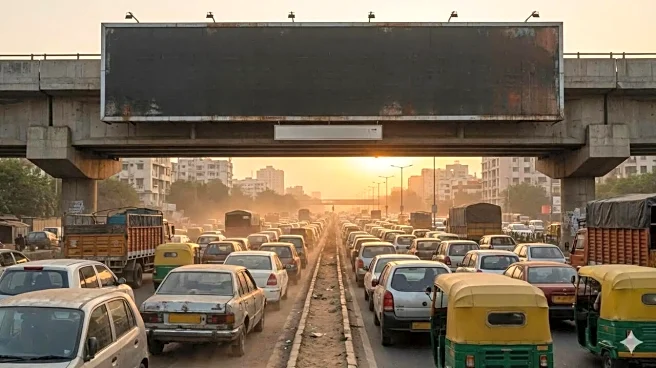
India is facing a growing problem that many people do not notice on a daily basis- old and unfit vehicles that should no longer be on the roads. According to a report released by NITI Aayog in January 2026, India may have nearly 5 crore end-of-life vehicles (ELVs) by the year 2030 if the current situation continues. End-of-life vehicles are those that have crossed their usable age or no longer meet safety and emission standards.
India adds more than 2 crore new vehicles every year, including cars, two-wheelers and commercial vehicles. As more vehicles are added, many older ones also reach the end of their life. In 2020, India had around 1 crore ELVs and this number is expected to increase to about 2.3 crore by the end of 2025 which could almost double to 5 crore by 2030.One major concern is pollution as older vehicles pollute far more than newer ones. The report states that vehicles made before the BS VI emission norms can emit up to eight times more pollutants per kilometre compared to BS VI vehicles, which means a single old vehicle can cause as much pollution as several new ones,
adding to India’s air quality problems.
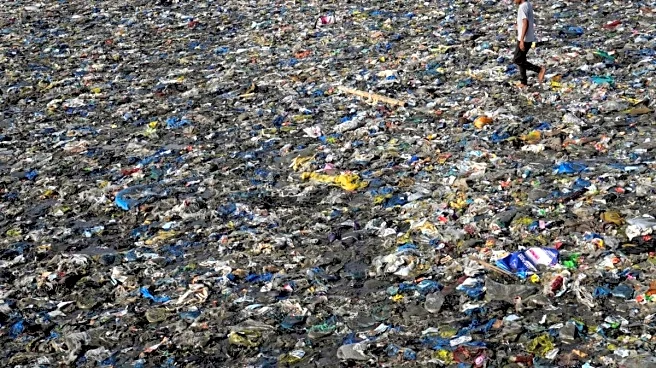
Another key issue is how old vehicles are scrapped, because most ELVs in India are dismantled by the informal sector, which does not follow proper safety or environmental rules. Fuels, batteries and other harmful materials are often handled carelessly and despite this, many vehicle owners choose informal scrappers because they pay Rs 15,000 to Rs 20,000 more for a mid-size car and complete the process quickly. However, informal scrapping does not provide official certificates, which are required for vehicle deregistration and government benefits.
Also Read: Nissan Unveils Solar-Powered Ariya EV Concept With Integrated Roof Panels - Details
The report also highlights gaps in testing and scrapping infrastructure, as of September 2025, India had only 156 Automated Testing Stations (ATS) across 16 states and Union Territories. Based on vehicle numbers, India will need around 500 ATS by 2027. Although more authorised scrapping facilities have been set up, many are underused due to low participation.
Old vehicles also hold valuable materials as vehicles made between 2005 and 2023 could supply 98 million tonnes of steel, which could reduce CO₂ emissions by about 43 million tonnes if recycled. To improve recycling, new rules require manufacturers to meet steel recycling targets starting from 2025. NITI Aayog says India must improve infrastructure, simplify processes, support authorised scrappers and increase public awareness to solve the ELV problem.




/images/ppid_a911dc6a-image-177073006990549409.webp)

/images/ppid_a911dc6a-image-177078730676935057.webp)