
For many Indians, buying a first car is more than just a purchase, as it is a rite of passage. It represents independence, progress, and in many cases, years of saving finally paying off. But beneath the excitement lies a reality - first-time car buyers often make mistakes that can cost them not just money, but peace of mind for years.
Most first-time buyers walk into showrooms driven more by emotion than logic. The shiny paint, the new-car smell, the dream of owning “that one perfect car”, all of it can cloud judgment. And that’s where things begin to go wrong.
Trap
One of the biggest mistakes new buyers make is letting emotions drive the decision. Falling in love with a car’s looks or choosing a model just because it’s trending can lead to long-term
regret. A sporty hatchback might look stunning, but is it practical for a family of five? A top-end variant might feel luxurious, but do you really need all those features?
The smarter approach is simple - define your needs before your wants. Think about your daily usage like city commute, highway drives, family trips and prioritise accordingly. A car should fit your lifestyle, not the other way around.
The Hidden Cost
Another major pitfall is ignoring the total cost of ownership as many buyers focus only on the ex-showroom price or the monthly EMI, assuming that is the full expense, but it is not.
The reality is that the on-road price can be 15-25% higher once you include registration, insurance and taxes. Then come recurring expenses like fuel, servicing, repairs and insurance renewals. Over time, these costs can quietly add up to a significant amount.
A useful guideline is the 20/4/10 rule, which is to pay at least 20% as down payment, opt for a loan tenure of no more than 4 years and keep total car expenses within 10% of your monthly income. Ignoring this can leave you financially stretched, especially if fuel prices or maintenance costs rise unexpectedly.
Also Read: What Is Mileage And How To Improve It In Daily Driving?
The EMI Illusion
Dealers often ask a simple question - “What monthly payment are you comfortable with?” It sounds helpful, but it’s actually a trap. By stretching the loan tenure to 6 or even 7 years, dealers can make an expensive car seem affordable. But in reality, you end up paying far more in interest over time. The smarter move is to negotiate the total price of the car first, not the EMI. Once that is locked in, you can structure the loan in a way that suits your budget without overpaying.
Skipping Research And Test Drives
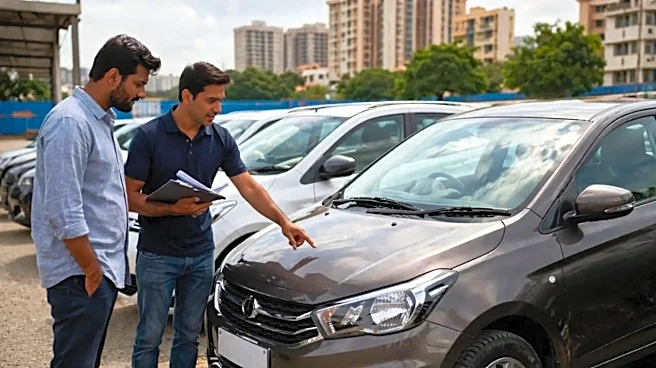
In the rush of excitement, many buyers either skip the test drive or take a quick spin around the block and call it a day. That’s a mistake. Every car behaves differently, steering feel, suspension, visibility, seat comfort. A 5-minute drive won’t reveal much. You need to drive on different road conditions, turn off the music and listen for noises and test the exact variant you plan to buy.
Equally important is research. Today, there’s no shortage of online reviews, owner feedback, and reliability reports. Use them. And if you’re buying a used car, always get it inspected by a trusted mechanic.
The Add-On Trap
Once you have decided on a car, the dealership may offer a list of “must-have” add-ons like chrome kits, seat covers, extended warranties and paint protection. Most of these are high-margin items for dealers. You don’t have to say yes to everything, as many accessories can be purchased later at a lower price from aftermarket shops. Stick to essentials and avoid impulse decisions.
Pre-Delivery Inspection
This is where many buyers drop the ball by taking delivery of the car without a proper check. A Pre-Delivery Inspection (PDI) is your last chance to ensure everything is perfect before signing the final paperwork. Look for scratches or dents on the exterior, interior fit and finish issues, tyre manufacturing dates and odometer reading which should be minimal. Skipping this step can leave you stuck with problems that should have been fixed before delivery.
Safety
In India, many buyers still prioritise features like sunroofs, touchscreens and alloy wheels over safety which is a dangerous trade-off. At a minimum, your car should have ABS (Anti-lock Braking System), multiple airbags and a solid crash test rating. Safety features are not luxuries as they are essentials. And in real-world driving conditions, they can make the difference between life and death.
Also Read: Torque Vs Horsepower Explained - What They Mean For Everyday Driving
Smarter Buying Starts Before The Showroom
One of the most underrated tips is to arrange financing before visiting the dealership. Getting pre-approved for a loan from your bank gives you better clarity on interest rates, stronger negotiation power and freedom from dealer-driven financing pressure. It effectively puts you in the position of a “cash buyer,” which dealers take more seriously.
Don’t Rush the Decision
Finally, never fall for the classic line - “This offer is valid only today.” Car buying is a major financial decision, not a flash sale. If something feels rushed or uncomfortable, walk away. There will always be another deal, but fixing a bad purchase decision is much harder.
Buying your first car should be a joyful experience, not a stressful one. With the right approach, research, patience and a clear understanding of your needs, you can avoid costly mistakes and make a decision you will be happy with for years.