

/images/ppid_a911dc6a-image-177657762418545079.webp)
Rising fuel prices have made everyday driving more expensive, especially for people who use their cars daily. The good news is that saving fuel does not require major changes. It mostly depends on simple driving habits and basic car care. Even small improvements can reduce fuel usage by 10% to 30% over time.
Smooth Driving Saves The Most Fuel
The way you drive has the biggest impact on fuel consumption. Sudden acceleration and hard braking use more fuel than most people realise. Driving smoothly means pressing the accelerator gently and avoiding sudden stops. When you drive calmly, the engine works efficiently and consumes less fuel. In city traffic, aggressive driving alone can increase fuel usage by up to 20%.
Maintain A Constant Speed
Frequent
speed changes force the engine to work harder. On highways, try to maintain a steady speed instead of constantly accelerating and slowing down. Driving at around 80-90 km/h is usually the most efficient range for most cars. If your car has cruise control, using it can help maintain a stable speed and save fuel.
Avoid Unnecessary Idling
Keeping the engine on while waiting wastes fuel without moving the car. Many drivers leave the engine running at signals or during short stops. If you are stopped for more than a minute, it is better to turn off the engine. Modern cars are designed to restart easily and use very little fuel in the process.
Keep Tyre Pressure Correct
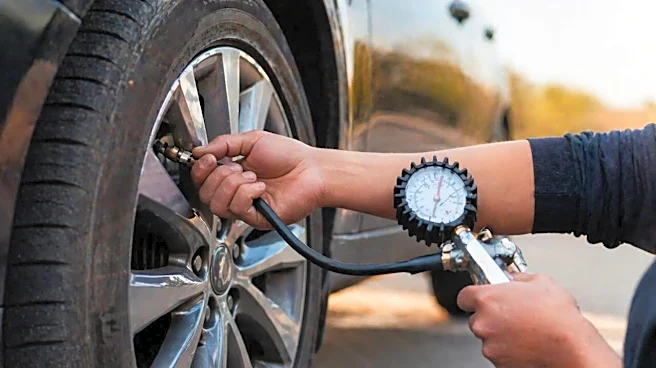
Tyre pressure plays an important role in fuel efficiency. Under-inflated tyres create more resistance, which makes the engine work harder. Even slightly low tyre pressure can reduce mileage by up to 10%. Checking tyre pressure regularly is a simple step that can save fuel.
Reduce Extra Weight In The Car
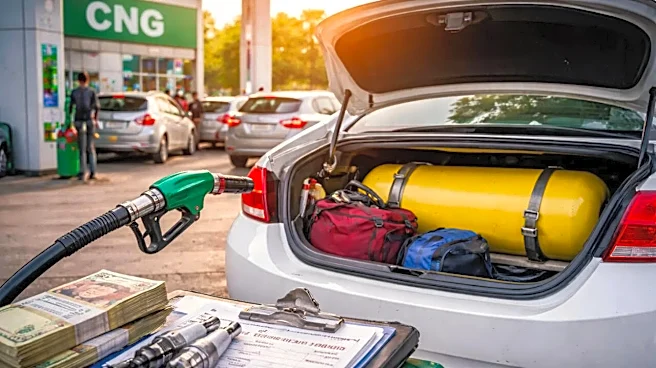
Extra weight in your car increases fuel consumption. Carrying unnecessary items in the boot makes the engine use more power. Removing unused items, especially heavy ones, can improve efficiency. Even 50 kg of extra weight can affect fuel consumption.
Plan Your Trips Better
Driving in heavy traffic increases fuel usage due to constant stopping and starting. Planning your route can help avoid this. Try to combine multiple short trips into one. Also, use navigation apps to find less crowded routes. A cold engine uses more fuel, so fewer trips mean better efficiency.
Car Pooling Can Save More Fuel
One of the simplest ways to save fuel is by sharing your ride with others. Car pooling or clubbing trips means fewer cars on the road and lower fuel use per person.
For example, if two or three people travel together instead of using separate vehicles, fuel consumption per person drops significantly. It also helps reduce traffic and overall pollution.
Also Read: Maruti Suzuki Brezza ZXi+ AT Explained - What Is Offered In Top Variant
Use AC And Windows Smartly
At low speeds, driving with windows open can save fuel. However, at higher speeds, open windows increase air resistance. On highways, it is better to keep windows closed and use the air conditioner at a moderate level.
Regular Maintenance Makes A Difference
A well-maintained car runs more efficiently. Simple things like changing engine oil, cleaning air filters, and keeping wheels aligned help improve mileage. Ignoring maintenance can lead to higher fuel consumption and bigger problems later. Saving fuel is not about making big changes. It is about following small habits every day.