
Toyota Kirloskar Motor has crossed 4 lakh annual sales for the first time, registering 4,06,081 units in FY25-26, up 20% year-on-year. For buyers, this matters because sustained demand often signals longer waiting periods and stronger resale perception. The headline number looks straightforward, but it points to something bigger as Toyota is no longer just steady; it is expanding aggressively across segments. The growth isn’t driven by one model or one category, but by a broader shift in how its portfolio is being positioned in India.
A Record Year Built On Balanced Demand
Toyota’s total sales rose from 3,37,148 units in FY24-25 to 4,06,081 units in FY25-26, marking a 20% increase. This growth came from both domestic and export markets. Domestic sales reached 3,67,107 units, up 19%,
while exports grew faster at 41% to 38,974 units.
March itself reflected this momentum. The company sold 37,194 units in March 2026 compared to 30,043 units a year earlier which is a 24% increase.
What stands out is the consistency. Growth wasn’t limited to a festive spike or a single product launch. It was spread across segments, indicating stable demand rather than short-term gains.
What’s Really Driving Toyota’s Growth
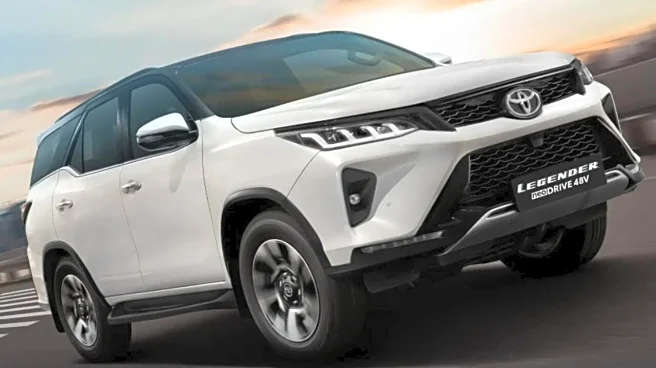
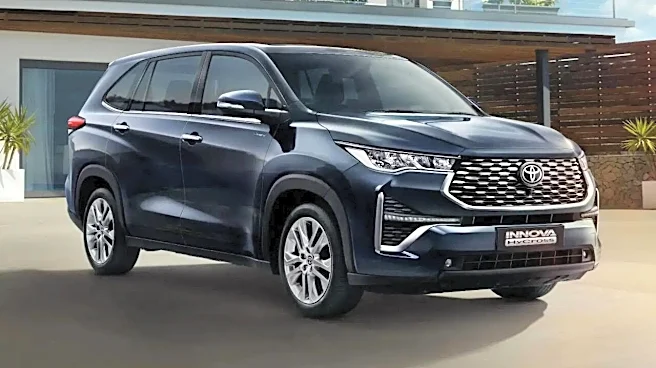
This isn’t just about higher sales numbers. The growth is coming from how Toyota has expanded and refreshed its lineup. Updates like new editions of the Innova Hycross, Fortuner, and Camry, along with feature additions in models like the Urban Cruiser Hyryder, have helped maintain buyer interest.
Safety upgrades have also played a role. Standardising six airbags across multiple models and achieving a 5-star Bharat NCAP rating for the Innova Hycross adds to buyer confidence.
At the same time, Toyota’s hybrid strategy continues to differentiate it in a market still transitioning toward electrification. Instead of going all-in on EVs, it is offering multiple pathways, which appears to be working for Indian buyers.
Also Read: Toyota Glanza Vs Maruti Suzuki Baleno - Which Hatchback Should You Choose?
What This Means For Buyers Right Now
For buyers, strong demand usually comes with trade-offs. Popular models, especially SUVs and MPVs, may see longer waiting periods depending on variant and location.
There’s also a perception shift. Crossing the 4 lakh mark reinforces Toyota’s position as a reliable, high-demand brand, which tends to support resale value and long-term ownership confidence.
However, rising demand can also limit discounts and deals. When volumes are strong, manufacturers have less incentive to push aggressive offers.
The bigger takeaway is this: Toyota’s growth is no longer slow and steady. It’s becoming broad-based and more competitive. For buyers, that means better products but also a market where demand is increasingly dictating availability.