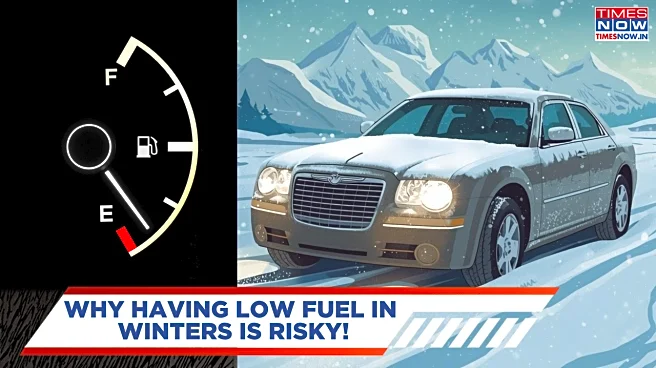




With the winter season in full swing across the country, vehicle owners need to avoid having a low fuel tank in their cars and two-wheelers. This is important for multiple reasons, as having a low level of fuel in cold temperatures can lead to a range of issues in the long term and compromise the vehicle's safe and reliable performance.
Also Read: Why Does My Car Mileage Drop in Cold Weather?
That is because cold temperatures can significantly impact the quality of fuel inside your car or two-wheeler tank. Moreover, if the fuel level is low, condensation can form inside the tank, leading to water accumulation. Water means bad news for your fuel lines and engine's internal components. To make matters worse, this water can also potentially freeze
in the fuel lines, causing blockages that may prevent the vehicle from starting. This is why maintaining a full tank is advised during the winter season, as it helps to minimise the above-mentioned risks, allowing for smoother operation during cold starts.
Just like the fuel lines, a low fuel tank can also aggravate other winter-related car problems. For instance, the fuel pump relies on petrol or diesel to keep cool and operate optimally but running on low fuel can cause it to overheat, potentially leading to costly repairs.
Bonus Tips:
In the event of an emergency, having a full tank ensures that drivers can keep their engines running to stay warm, especially if they become stranded. Owners can also explore using fuel additives that are designed to prevent freezing in extreme conditions.
Hence, avoiding a low fuel tank in your car or bike during winter is crucial for reliable vehicle performance and safety. By following the above-mentioned winter tips and car care recommendations, drivers can ensure that their vehicles operate reliably throughout the season.
Keep reading Times Now Auto for more relevant tips on how to maintain your car this winter season.









/images/ppid_a911dc6a-image-177070882633398788.webp)