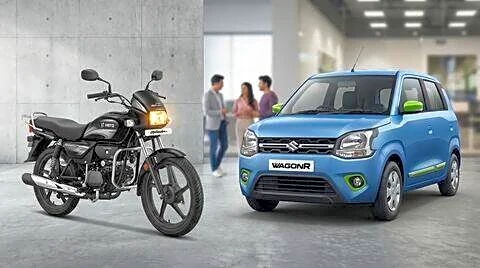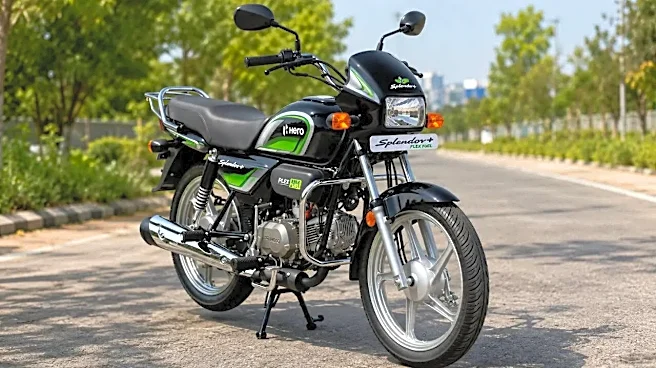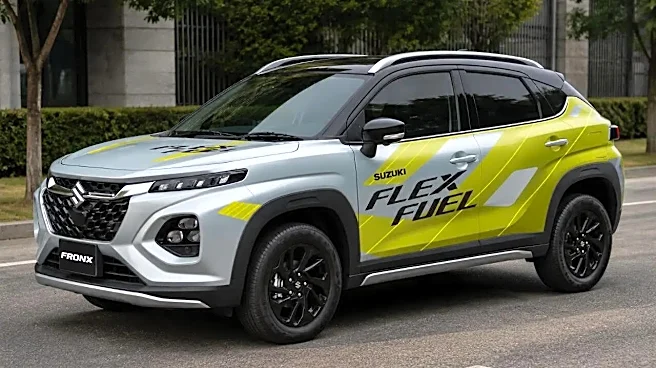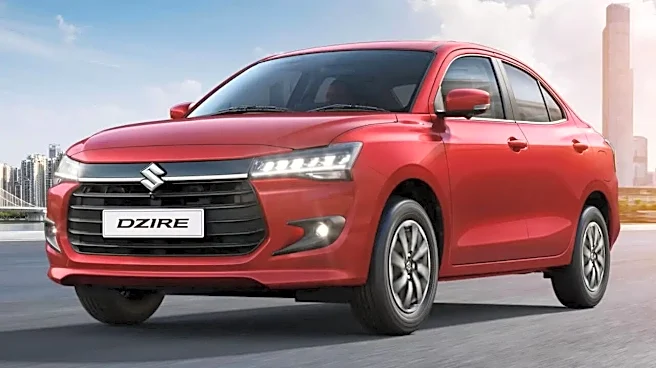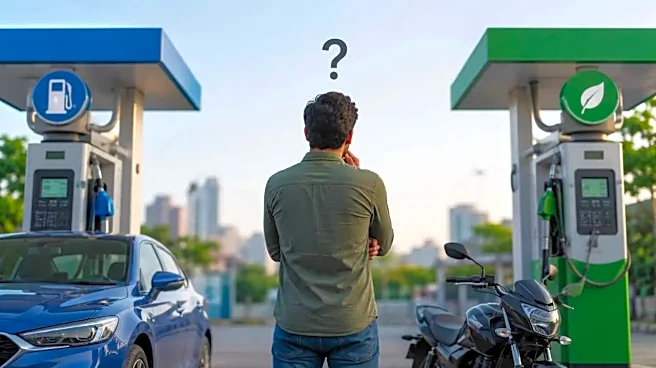

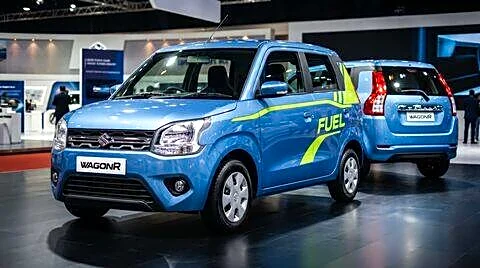
The Indian automobile industry is slowly shifting gears towards cleaner fuels. As regulations promoting higher ethanol blends are gathering pace, a handful of manufacturers, including Maruti Suzuki and Hero MotoCorp, are now developing cars and bikes that can run on 100% ethanol. The sudden influx of such alternative fuel options in the market is leaving many buyers confused about whether they should stick with petrol or switch to E100. So, here's what you really need to know about petrol, E100, and flex-fuel vehicles before making any decision.
What Are Flex-Fuel Vehicles?
A flex-fuel vehicle can support petrol, ethanol, or a mix of both. It can run on standard E10 (10% ethanol) to up to E85 or pure E100 (100% ethanol). In the case of E100 vehicles, the engine can operate
on fuel containing up to 100% ethanol. Since ethanol is more corrosive than petrol, these flex fuel models use modified fuel lines, injectors, seals, and engine calibration to handle the alternative fuel in the safest manner.
Petrol vs Flex Fuel: What's The Difference?
Visually or even while driving, both petrol and flex-fuel vehicles seem similar. The major difference between them lies under the skin. Currently, a normal car or bike can run on petrol and lower ethanol blends, such as E20, which is an existing mandate in the country. Flex-fuel vehicles, on the other hand, are developed to support petrol, ethanol, or a mix of both, including E100 (100% ethanol). The higher ethanol blends have been proposed to be used as separate grades alongside the E20 mix, though there is no official implementation. For reference, Ethanol burns cleaner than petrol. It has a higher octane rating. However, it also contains less energy per litre, which can slightly affect its ability to offer fuel efficiency. To handle different fuel blends, flex-fuel vehicles use specially designed fuel system components and engine software that automatically adjust performance. The conventional petrol vehicles lack these modifications, and that is why they are not suitable for high-ethanol fuels like E100.
Are E100 Cars And Bikes Worth It In 2026?
A few prominent manufacturers, such as TVS, Bajaj, and Toyota have already showcased/introduced flex-fuel two-wheelers and cars to the market. On paper, the idea of 100% ethanol powered mobility looks attractive. This may be because Ethanol is cheaper than petrol in most states, and it also produces lower emissions. That said, the use of this alternative energy comes with a trade-off. Since ethanol contains less energy per litre than petrol, vehicles running on E100 are tend to consume more fuel. This could affect the real-world fuel efficiency, a drop of 20-25% compared to petrol counterparts.
Another big challenge is infrastructure. Dedicated E100 fuel stations are still limited and are concentrated in a few states, such as Maharashtra, Uttar Pradesh, and Karnataka. People who are residing outside these regions may find using E100 not very practical at the moment. For them, the standard petrol or lower ethanol blends are more reliable instead. While flex-fuel vehicles offer greater fuel flexibility and future readiness, their full benefits will only be realised once ethanol availability becomes more widespread across the country.
Who Should Stick to Petrol?
Petrol will be a safer choice for people who frequently undertake long journeys, live in an area where ethanol fuel is not easily available, or simply want a hassle-free ownership. Petrol is an easily available fuel across the country. It caters to the predictable performance and is supported by a well-established service network.
Who Should Consider Flex Fuel?
In India, flex-fuel vehicles (FFVs) make good sense for daily city commuters looking to drastically bring down their urban tailpipe emissions. But, as already mentioned, ethanol delivers about 20% to 30% lower mileage than pure petrol. The actual fuel cost savings will depend heavily on the government keeping retail ethanol prices significantly lower compared to petrol. If competitive ethanol prices compensate for the mileage drop and the local E85/E100 infrastructure is well-developed, then a flex-fuel vehicle could emerge as a practical option for daily riders.