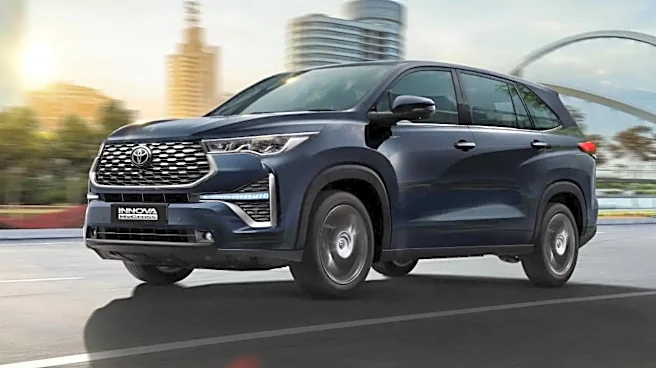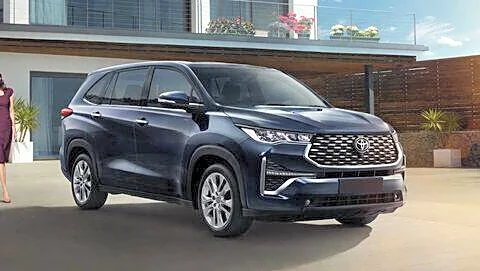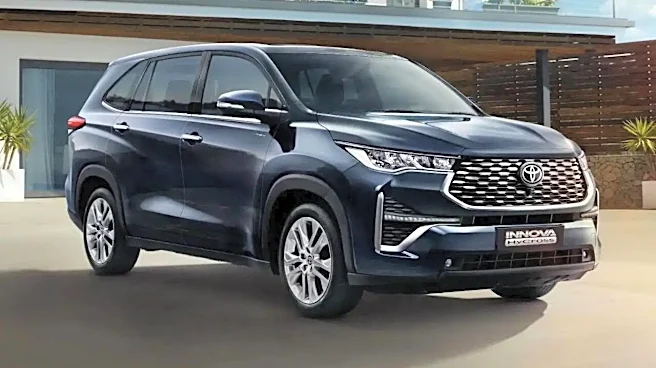



Toyota crossing 3 lakh hybrid vehicle sales in India is a reminder of how quickly buyer thinking is changing right now. A few years back, hybrids mostly sat in the background while buyers focused either on regular petrol cars or fully electric vehicles. Now, more people seem to be landing somewhere in the middle. And Toyota has benefited from that shift more than anyone else so far. The biggest push has clearly come from models like the Toyota Innova Hycross and Urban Cruiser Hyryder. Both vehicles entered segments where buyers care heavily about fuel costs because they are often used for long distances, family travel and everyday commuting together.
The Hycross Changed How Many Buyers Look At MPVs
The Innova name already had strong recall in India, but the Toyota Hycross brought something
different into the equation - hybrid efficiency in a large family MPV. For many buyers, especially people upgrading from diesel MPVs, the attraction was fairly straightforward. They wanted lower running costs without changing the way they use the vehicle.
That is exactly where hybrids currently make sense. There is no charging cable, no searching for chargers and no planning road trips around battery range. You simply fuel up and drive normally. The Hyryder did something similar in the midsize SUV segment. Buyers wanting better mileage than regular petrol SUVs suddenly had another option that did not involve switching fully to EV ownership.
Why Hybrids Are Suddenly Feeling More Relevant
Fuel prices are one of the biggest reasons this shift is happening now. A strong hybrid combines a petrol engine with an electric motor, and the battery charges automatically while driving or braking. So in slow-moving traffic, the car can rely more on electric power, which helps reduce fuel consumption.
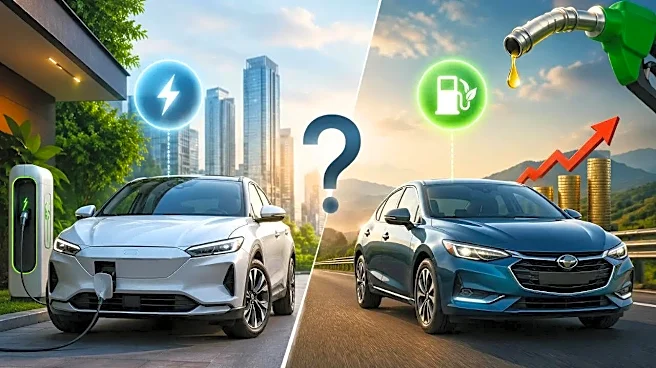
That setup especially suits Indian traffic conditions where stop-go driving is unavoidable in most cities. At the same time, many buyers are still unsure about moving fully to EVs. Charging infrastructure has improved, but for people regularly driving between cities or living in apartments without charging access, hybrids simply feel easier and more familiar.
Also Read: Toyota Fortuner Gets Costlier In India - New Prices Revealed
The 3 Lakh Figure Is Bigger Than It Looks
What makes Toyota’s milestone important is that hybrids are still not cheap vehicles in India. They cost noticeably more than regular petrol models in most cases. Even then, buyers are clearly willing to spend extra upfront if the long-term fuel savings feel convincing enough.
More importantly, hybrids are no longer being treated like niche technology products anymore. They are slowly becoming regular shortlist options for Indian buyers, especially now that petrol prices keep climbing almost every few months.