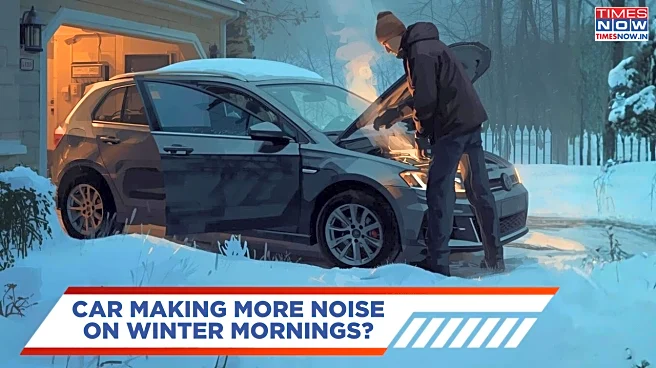




If you have ever wondered why your car engine makes a more pronounced noise when you first start it in the morning, then do not worry, this is a common phenomenon commonly called a cold start. The higher noise or vibration levels during cold starts can be attributed to several factors that affect engine performance, particularly in colder temperatures.
Also Read: Why Does Car Battery Die Faster in Cold Weather? What To Do In Emergency
Understanding why this occurs is crucial for car maintenance and ensuring vehicle safety during the winter season. Cold start is a term used to refer to the first engine startup of the day, after the vehicle has been parked overnight or for a longer period.
When temperatures drop, the viscosity of the engine oil increases,
meaning it becomes thicker. This change affects lubrication within the engine and its components, leading to increased friction among moving parts. As a result, the engine may work harder to overcome this resistance, producing more noise. For older cars, the impact of cold starts can be more pronounced due to accumulated wear and tear on engine components. Regular car maintenance, therefore, becomes essential to mitigate these effects.
Regular checks, particularly for older vehicles, can prevent potential breakdowns. Mechanics often recommend ensuring that the engine oil is of the correct viscosity for winter conditions. Using fully synthetic engine oils can also help, as they maintain their viscosity better under cold weather conditions. It is also essential for drivers to allow their engines to warm up for a few minutes before driving. This practice not only reduces noise but also ensures that the engine reaches optimal operating temperature more quickly. While driving shortly after a startup does not harm modern engines, it is a best practice to ensure your vehicle's engine health and reliability.
Bonus Tip:
Sometimes the extra noise might not be originating from the vehicle's engine at all, other components, such as the exhaust system, may contribute to the increased noise during cold starts. If the exhaust system is damaged or has leaks, it can amplify engine noise. If you are unable to identify the origin of a particular noise, you should reach out to your authorised service provider and get the vehicle inspected including the exhaust system.
In the context of car driving tips, drivers need to be aware of how cold weather can affect their vehicles. Understanding these factors can help drivers take necessary precautions to ensure vehicle reliability and safety during winter driving. To summarise, more noise from the car during a cold start is natural and nothing to worry about for the most part. In case the noise seems unnatural or oddly mechanical, then get your vehicle inspected at the earliest.
Keep reading Times Now Auto for more relevant car driving tips and answers to frequently asked questions.
/images/ppid_a911dc6a-image-17710264327998831.webp)

/images/ppid_a911dc6a-image-177102646607765106.webp)