
Royal Enfield reported retail sales of 1,12,334 units in March 2026, marking an 11% year-on-year growth. On the surface, it’s another strong month. But the bigger story is what’s driving this demand and where the pressure is building. For buyers, this matters because sustained demand often affects waiting periods, availability as well as even pricing stability. The numbers show growth but they also highlight how certain models continue to dominate volumes. This essentially shapes what customers are actually getting and how quickly they can get it.
Growth Driven By Domestic Demand
The March total of 1,12,334 units reflects steady momentum for Royal Enfield. This was largely supported by domestic sales. The brand continues to benefit from strong demand in India especially in the
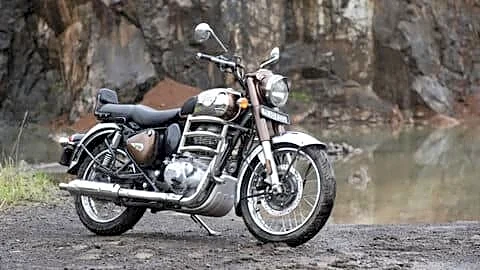
350cc segment, which remains its volume backbone. The models that make up the brand's 350cc segment include the likes of the Royal Enfield Hunter 350, Classic 350, Meteor 350, Goan Classic 350 and the iconic Bullet 350.
Over the full financial year (FY26), Royal Enfield crossed 12.4 lakh units. This marks its highest-ever annual sales. This reinforces its position in the mid-capacity motorcycle space, where it faces limited direct competition at scale.
However, exports showed a contrasting trend, with an 8% decline in March. This suggests that while domestic demand remains strong, global markets are not contributing at the same pace. For India-focused buyers, though, the domestic demand story is what directly impacts availability.
What The Numbers Actually Reveal
An 11% increase isn’t just about more bikes sold. It reflects sustained demand for a relatively unchanged core lineup. As mentioned, 350cc models continue to drive volumes. This indicates that buyers are still leaning toward familiar products rather than waiting for entirely new ones.
This also highlights Royal Enfield’s strength in maintaining demand without aggressive discounting or rapid product turnover. At the same time it also points to a dependency on a few key models.
The drop in exports adds another layer. It shows that while the brand remains strong at home, its international growth is more uneven which could influence future strategy and product focus.
Also Read: Royal Enfield Guerrilla 450 Apex Explained — Price, Features And Changes
What Buyers Should Expect Next
For buyers, consistent demand often translates into longer waiting periods particularly for popular variants and colour options. While Royal Enfield has improved production capacity over time, demand spikes can still create delays.
There’s also a perception factor. Strong monthly and annual sales reinforce buyer confidence making these motorcycles a safer purchase for many. This, in turn, sustains demand further.
At the same time, the brand may look to balance domestic and export performance which could influence upcoming launches or updates. For now, the takeaway is clear, demand isn’t slowing and that has a direct impact on how quickly and easily you can get your hands on a Royal Enfield.