

/images/ppid_a911dc6a-image-177901105578290717.webp)

The speed of EV adoption in India is anticipated to accelerate, with the new Draft Delhi EV Policy (2026–2030) promising far more savings on purchasing electric vehicles than before. The existing 2020 Delhi EV Policy breathing is currently breathing its last, and the new one in a 'Draft' form (yet-to-be-implemented), is set to overtake with massive tax exemptions for those planning to make electric cars as their four-wheeled companions. According to the proposed Delhi EV Policy 2.0 , electric cars with an ex-showroom price below or equal to Rs 30 lakh registered in the National Capital Territory (NCT) of Delhi will be eligible for a 100% tax exemption from road tax and registration fees till March 31, 2030. This could reduce the effective on-road
price of a range of EVs by about Rs 1.5 lakh to Rs 3 lakh, depending on the price and segment.
There’s no denying that passenger car market of India has been dominated by internal combustion engine (ICE) models for decades. In such a scenario, accelerating the shift towards electric mobility has remained a major challenge. Electric cars in India have largely been a niche option due to their higher upfront costs and limited charging infrastructure. However, the newly proposed Delhi EV Policy 2.0 is expected to significantly fast-track this transition by making EV ownership more financially attractive for buyers. The timing is also crucial, with global crude oil markets facing uncertainty amid the ongoing West Asia conflict. For those planning to buy EVs in India, and want to know which electric cars are expected to qualify for the upcoming benefits of Delhi EV Policy 2.0. Here's a list comprising some of the popular models that fall under the proposed Rs 30 lakh ex-showroom eligibility bracket.
Electric Cars To Qualify Under Delhi EV Policy 2.0
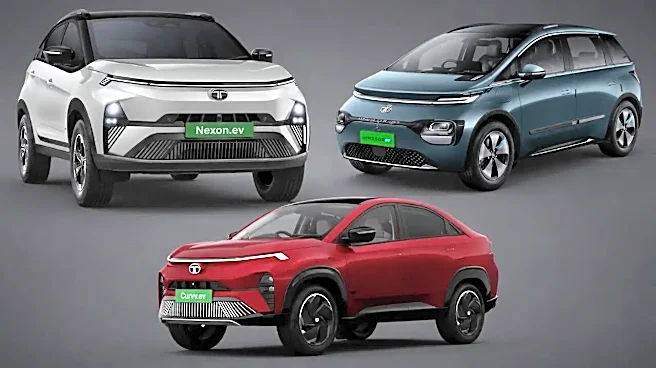
Tata Nexon EV: Rs 12.49 lakh – Rs 17.49 lakh
Tata Curvv EV: Rs 16.99 lakh – Rs 22.24 lakh
MG Windsor EV: Rs 14.10 lakh – Rs 18.60 lakh (approx.)
MG ZS EV: Rs 17.99 lakh – Rs 20.75 lakh
Tata Punch EV: Rs 9.69 akh – Rs 12.59 lakh
Tata Tiago EV: Rs 7.99 lakh – Rs 11.14 lakh
Tata Tigor EV: Rs 12.49 lakh – Rs 13.75 lakh
Citroen eC3: Rs 12.90 lakh – Rs 13.41 lakh
Hyundai Creta Electric: Rs 18.02 - Rs 24.69 lakh
Maruti Suzuki e Vitara: 15.99 lakh - Rs 20 lakh
Mahindra BE 6, XEV 9e and many other models also quality based on the starting prices.
These are ex-showroom prices, and may change based on variant, location and other factors. For more exact information customers can visit respective authorised showrooms.
Why This Policy Could Be A Game-Changer For Electric Car Buyers In India?
The proposed Delhi EV Policy 2.0 is expected to make EV ownership financially easier for middle-income, young professionals and even first-time car buyers in India. Unlike direct purchase subsidies, which often depend on battery size and allocation limits, the proposed road tax and registration fee waiver directly reduces the upfront ownership cost. If you are planning to buy SUVs like the Nexon EV, Curvv EV, MG ZS EV or the Hyundai Creta Electric, you may see a noticeable drop in their final on-road prices if the policy comes into effect.
Also Read: Planning To Buy Your First Electric Car In 2026? 5 Things Buyers Often Realise Too Late
In times, when Delhi continues to face rising pollution concerns and increasing fuel costs. The tax benefits, and scrappage incentives will contribute in bringing more buyers closer to EVs as their daily commuting option. However, it is important to note that the Delhi EV Policy 2.0 is still in draft stage and has not yet been officially implemented. Final eligibility criteria, timelines, and incentive structures could change before formal approval.









/images/ppid_a911dc6a-image-177901153801299325.webp)