
/images/ppid_59c68470-image-177062502644581631.webp)

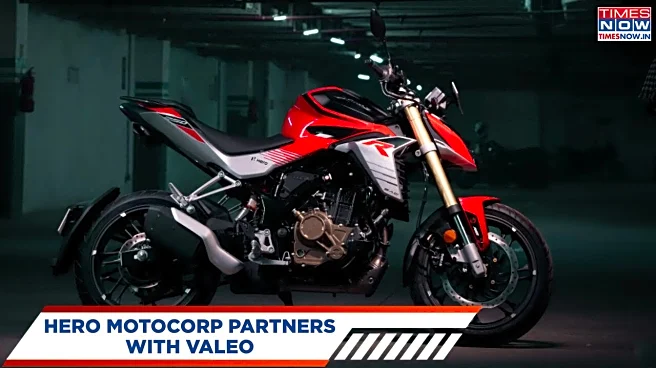
Two-wheelers are the most common way people travel in India and many other countries. But riding a motorcycle or scooter also comes with risks, especially in busy city traffic where cars, buses, pedestrians and animals all share the same roads and to make riding safer and smarter, Hero MotoCorp has announced a major partnership with Valeo which is a global automotive technology company.
The two companies have signed a Memorandum of Understanding (MoU) to jointly develop Advanced Rider Assistance Systems (ARAS) for future Hero motorcycles and scooters.
Safety Technology
One important part of this collaboration is that the technology will not be limited to expensive or premium models as Hero MotoCorp and Valeo aim to develop ARAS solutions that can
work on both entry-level and high-end two-wheelers. These systems will also be compatible with petrol-powered vehicles as well as electric two-wheelers, including models under Vida which is the Hero’s electric brand.
Also Read: Kawasaki Ninja 300, ZX-10R And More Available With Discounts — Check Updated Prices
The main goal is to create safety systems that suit real-world urban traffic, where roads are crowded and unpredictable, and where vulnerable road users like pedestrians and cyclists are often nearby.
How the ARAS System Works
The ARAS technology being developed uses a combination of radar and camera-based systems and together, these sensors constantly scan the area around the motorcycle or scooter. The system then processes this information in real time and provides alerts to the rider if a potential danger is detected.
Radar-Based Safety Features
Valeo will contribute its expertise in radar-based technologies, which are especially useful for detecting vehicles and objects that may not be clearly visible to the rider. These systems can support features such as:
- Forward Collision Warning, which alerts the rider if a crash risk is detected ahead.
- Distance Warning, helping riders maintain a safe gap from other vehicles.
- Lane Change Assist and Blind Spot Detection, which warn about vehicles approaching from the side or rear.
- Rear Collision Warning, alerting riders if a vehicle is coming too fast from behind.
Along with radar, the system will also use camera-based vision technology, as this helps the vehicle “see” road signs, pedestrians, lane markings and obstacles. Features include Pedestrian Detection, Lane Detection, Traffic Sign Recognition and Lane Departure Warning. Advanced image-processing software allows the camera to work even in low-light conditions, such as at night or during poor weather.
Commenting on the partnership, Marc Vrecko, CEO of Valeo’s Brain Division, said the collaboration aims to significantly improve rider safety and create a more secure riding experience for millions of people. He also highlighted that this partnership supports Valeo’s strategy to bring advanced technology to fast-growing mobility markets like India.








/images/ppid_59c68470-image-177062506517114649.webp)
