
/images/ppid_a911dc6a-image-177563768266444132.webp)

/images/ppid_a911dc6a-image-177563753459689079.webp)
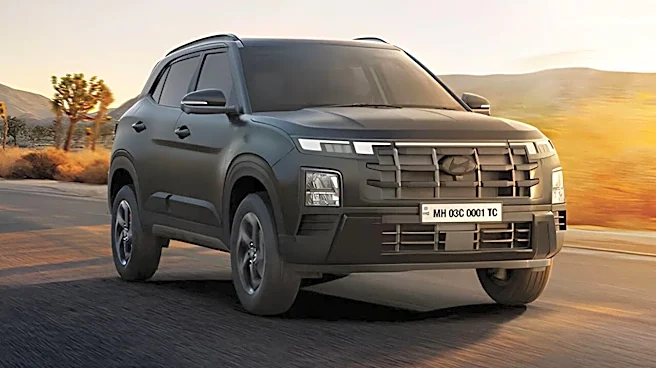
Hyundai will increase prices of its cars including the Creta, Venue, Verna, Exter and i20 by up to 1% from May 2026. This matters because even a small percentage hike impacts on-road prices across high-volume models. The announcement applies to Hyundai’s entire lineup in India. While 1% may appear modest, the actual increase varies depending on the model and variant. For buyers planning a purchase, timing now becomes important especially in segments where pricing is already competitive and margins are tight.
What’s Driving The Price Increase
Hyundai has attributed the price hike to rising input costs, higher commodity prices and increased operational expenses. This is not an isolated move. Over the past few years, manufacturers have repeatedly adjusted pricing due to fluctuations
in raw material costs such as steel and logistics expenses. Hyundai’s latest revision follows the same pattern.
The company has stated that it is absorbing part of the cost increase but needs to pass on a portion to customers. This suggests that cost pressures have reached a point where maintaining current pricing is no longer viable. The key takeaway here is that pricing changes are being driven more by external factors than product updates.
Which Models Are Affected
The price hike will apply across Hyundai’s lineup and will cover entry-level hatchbacks to premium SUVs. This includes high-volume models such as the Creta, Venue, Exter and i20 along with others in the portfolio. Since the increase is percentage-based, the absolute price jump will be higher on more expensive models.
For example, a 1% increase on a Rs 15 lakh car translates to Rs 15,000 while higher-priced variants will see a larger jump in absolute terms. The exact revision will depend on the specific model and variant. There are no changes to features or specifications linked to this update. The revision is purely price-driven.
Also Read: Hyundai Venue Secures 5-Star BNCAP Safety Rating - Details Inside
What It Means For Buyers
For buyers, the immediate implication is straightforward as cars will cost more from May. If a purchase is already planned, buying before the price hike could result in direct savings. On the other hand, those who delay may end up paying more for the same product.
This also reflects a broader trend in the industry. Regular price corrections are becoming more common as manufacturers respond to cost pressures. In practical terms, pricing is becoming more dynamic and waiting no longer guarantees better deals.


/images/ppid_a911dc6a-image-177563888491032835.webp)

/images/ppid_a911dc6a-image-177563884963120540.webp)