
/images/ppid_59c68470-image-177947506474576006.webp)
/images/ppid_59c68470-image-177947502752362764.webp)
/images/ppid_59c68470-image-177947509448222717.webp)
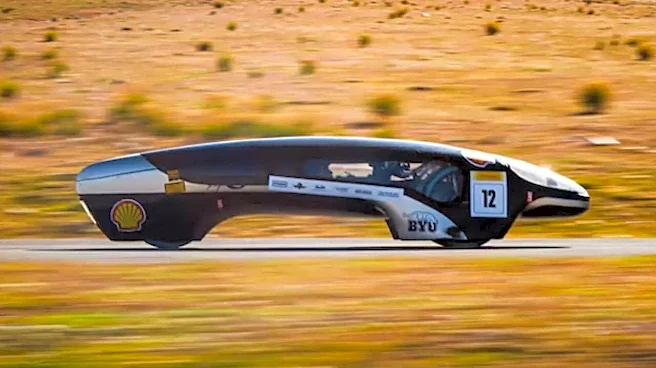
Students at Brigham Young University have built an ultra-efficient “supermileage” vehicle that returned close to 911 kmpl during a fuel-efficiency run. The prototype, created for mileage competitions, managed over 900 kmpl under controlled testing conditions. Unlike regular cars, this machine was built with just one goal: use as little fuel as possible while covering the maximum distance. Its tiny engine, extremely light body and slippery aerodynamic shape helped it achieve numbers that look almost unbelievable when compared to normal petrol cars on sale today.
What Helped The Vehicle Reach Such A Massive Mileage Figure
This is not a modified hatchback or a stripped-down sedan. The BYU vehicle is a purpose-built prototype developed by students working on supermileage projects. It looks more like a narrow
capsule on wheels than a road-going car.
The biggest reason behind the claimed 911 kmpl figure is weight reduction. The vehicle is incredibly light, which means the engine has far less work to do. Students also focused heavily on aerodynamics. The long enclosed body is shaped to reduce air resistance as much as possible. The team worked on everything from wheel alignment and tyre resistance to engine efficiency and drivetrain friction. Even small energy losses matter in these competitions. Drivers are also trained to maintain steady speeds and avoid sudden throttle inputs because aggressive acceleration can quickly affect mileage numbers.
The prototype uses a very small internal combustion engine instead of a large powertrain. Since the vehicle is built only for efficiency runs, there is no extra weight from comfort or convenience features.
Also Read: Ferrari HC25 Breaks Cover - Check Out The 720hp One-Off Masterpiece
Why The 911 Kmpl Number Needs Context
As impressive as this mileage figure sounds, this is not something buyers should compare with everyday cars or motorcycles. The prototype runs in controlled conditions and is not designed for public roads or daily commuting.
There are no rear seats, large safety systems, entertainment screens or heavy equipment that regular cars carry. It is essentially an engineering exercise focused entirely on stretching fuel efficiency to the limit.
Still, projects like this matter because they show how much efficiency improves when weight, drag and mechanical losses are reduced aggressively. While a 911 kmpl family car is unrealistic, the ideas tested in these student projects can still influence future vehicle development, especially at a time when fuel costs remain a major concern in markets like India.




/images/ppid_a911dc6a-image-177948052398714796.webp)



/images/ppid_59c68470-image-177947756540279678.webp)




/images/ppid_a911dc6a-image-177947703749711919.webp)