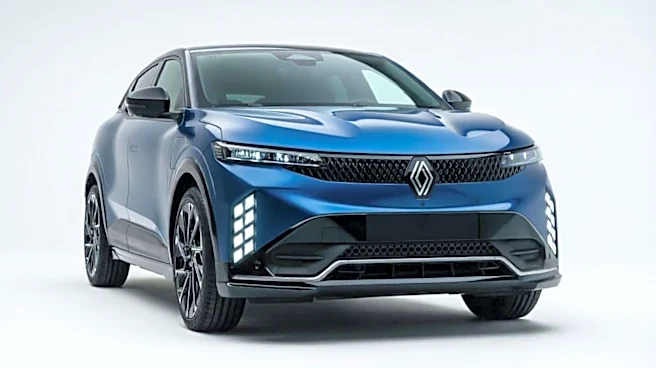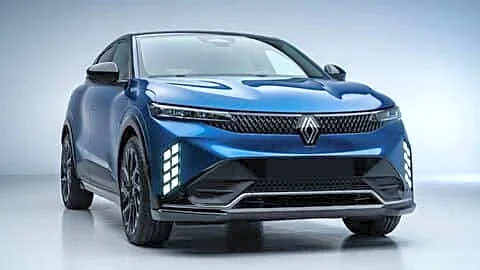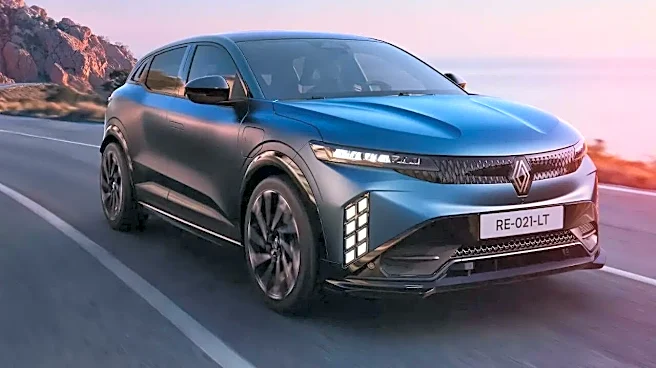




The Renault Megane E-Tech Electric has received its first major update since launch but you could walk past it in a parking lot and not immediately notice what's changed. That's because Renault hasn't torn up the design brief. The facelift focuses on areas that matter once the novelty of a new EV wears off: range, charging and battery technology. The headline figure is a claimed driving range of up to 500 km under the WLTP cycle, helped in part by a new battery option joining the lineup. There are styling revisions too, though they're far less dramatic than the mechanical and technological updates hiding underneath.
The Exterior Changes Are Easy To Miss
Car companies often describe every facelift as transformative. This isn't one of those cases. The Megane still looks very much like
a Megane. Renault has revised some design details, cleaned up the front-end treatment and introduced updates that help distinguish the 2026 model from earlier versions.
Unless the two cars are parked side by side, most people probably won't spot every difference. That isn't necessarily a criticism. The original design hasn't aged badly which may explain why Renault chose evolution over reinvention.
Renault Seems More Interested In Range
The real work happened elsewhere. A new LFP battery joins the range, reflecting a broader shift happening across the EV industry. More manufacturers are exploring battery chemistries that balance cost, durability as well as efficiency rather than focusing solely on outright capacity.
Renault also claims improvements in charging capability. That's significant because charging speed has become one of the industry's main battlegrounds. Extending range helps. Reducing waiting time often helps even more.
Why This Car Is Worth Watching From India
The Megane E-Tech isn't headed to Indian showrooms but many of the ideas behind this update are already appearing elsewhere. LFP batteries are becoming increasingly common. Software updates are playing a larger role in vehicle development. Carmakers are spending more time talking about charging than acceleration figures.
In that sense, the facelift says less about Renault specifically and more about where electric cars are heading. A few years ago the focus was on proving EVs could work. Now the focus is on making them work better. That's a different conversation entirely.